
Mezzanine (Massive Attack album)
Mezzanine is Massive Attack's 1998 album, noted for its darker, bass-heavy reinterpretation of trip hop, early online distribution, and standout tracks like "Teardrop" and "Angel."
Overview
Massive Attack's third studio album, Mezzanine, was released in 1998 on Virgin Records. The record marked a deliberate shift from the warmer, jazz- and rap-inflected textures of the group's earlier work toward a colder, denser sound palette. While the band remained associated with the broader trip hop movement, Mezzanine emphasized heavy bass, textural guitar and shadowy production over the hip-hop rhythms and overt jazz influences heard on previous albums.
Image gallery
1 Image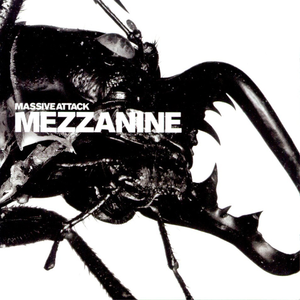
Sound and production
The album was shaped by extended studio experimentation, dense sampling and a mix of live and processed instrumentation. It downplays traditional rap roles (several earlier collaborators such as Tricky were no longer central to the project) and foregrounds mood, atmosphere and tension. Production included contributions from long-term collaborators and engineers, and would help define a darker strand of electronic music with rock and dub inflections; the record is often noted for its distorted guitars and cavernous low end, elements sometimes described as guitar-driven textures in reviews.
Release and promotion
Mezzanine's release strategy was notable for the era: the band made the album available for legal download from their own website months before the commercial CD appeared, one of the early high-profile uses of the MP3 format by a major artists' act. The official release date came in April 1998 and the album quickly attracted attention for both its sound and its unorthodox online presence.
Notable tracks
- "Teardrop" — features distinctive, ethereal guest vocals and later reached wider recognition through television use.
- "Angel" — a slow-building, bass-heavy piece that exemplifies the album's darker tone.
- "Risingson" and "Inertia Creeps" — singles that combine electronic programming with off-kilter rhythms and dense textures.
Reception and legacy
Critically and commercially successful, Mezzanine is often regarded as a high point in Massive Attack's catalogue and an influential record in late-1990s electronic music. Critics praised its cohesive mood and adventurous production; its influence can be traced in later electronic, indie and hip-hop-adjacent acts that adopted more brooding, textural approaches. Tracks from the album have been widely licensed and remain among the group's best-known work.
Distinctive facts
Beyond its musical content, Mezzanine is remembered for pushing distribution norms at a time when online music was still emergent, and for recasting a popular genre by introducing rock and dub sonics into a trip hop framework. The album continues to be discussed for its atmosphere, memorable singles and the way it reshaped perceptions of what a mainstream electronic album could sound like.
Questions and answers
Q: What is Mezzanine?
A: Mezzanine is the third studio album by English trip hop group Massive Attack.
Q: When was Mezzanine released?
A: Mezzanine was released on 20 April 1998.
Q: Who produced Mezzanine?
A: Mezzanine was produced by Neil Davidge along with the group.
Q: Which record label released Mezzanine?
A: Mezzanine was released on Virgin Records.
Q: Was Mezzanine available for legal download before its CD release was announced?
A: Yes, the entire album was provided on their website for legal download many months before the CD release was announced.
Q: What is unique about Mezzanine's use of the MP3 format?
A: Mezzanine's legal download was one of the first major uses of the MP3 format by a commercial organization.
Q: How does Mezzanine differ from Massive Attack's previous albums?
A: Mezzanine does not use the jazzy sounds and the rapping of Tricky in Blue Lines and Protection, leaving in favor a dark sound, heavy bass lines and distorted guitars.
Related articles
Author
AlegsaOnline.com Mezzanine (Massive Attack album) Leandro Alegsa
URL: https://en.alegsaonline.com/art/64373
Sources
- massiveattack.com : massiveattack.com