
Metriacanthosaurus: a Middle Jurassic theropod of Europe
Metriacanthosaurus was a medium-to-large allosauroid theropod from Middle Jurassic Europe (~160 Ma), named for moderately tall neural spines. Known from partial remains, it is placed in Metriacanthosauridae.
Metriacanthosaurus is a genus of bipedal, carnivorous dinosaur known from Middle Jurassic deposits in Europe, commonly dated to about 160 million years ago. The name, usually translated as "moderate-spined lizard," refers to the relatively tall neural spines on its vertebrae: taller than in some contemporaneous theropods such as Allosaurus but not as extreme as in high-spined forms like Acrocanthosaurus. Material assigned to Metriacanthosaurus is incomplete but diagnostic, and the genus is interpreted as a medium- to large-bodied predator within the allosauroid radiation.
Image gallery
10 Images


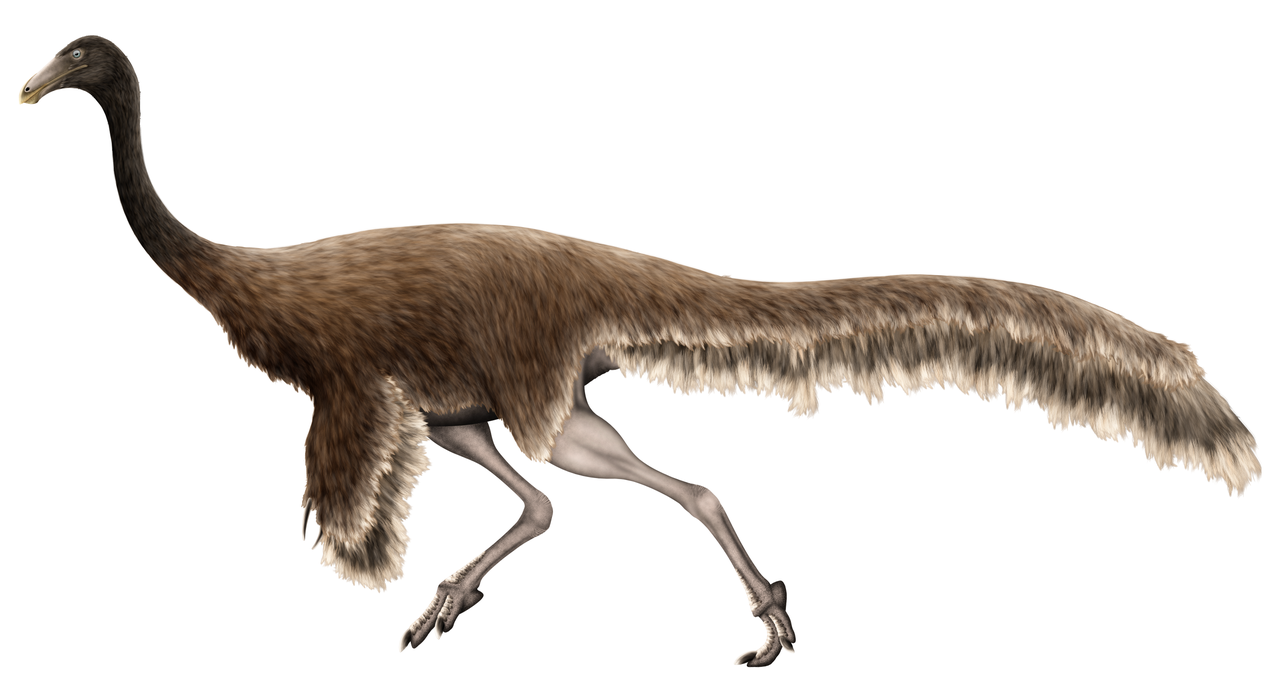

Discovery and naming
Fossils attributed to Metriacanthosaurus were recovered from Middle Jurassic strata in parts of Europe and described on the basis of fragmentary but distinctive vertebrae and other elements. The generic name highlights a feature useful for distinguishing its remains: neural spines of intermediate height compared with some other theropods. Because complete skeletons are rare, much of the animal's appearance has been reconstructed by comparison with better-known allosauroids.
Anatomy and physical characteristics
Although known specimens are partial, several anatomical traits are consistently reported. Metriacanthosaurus was a two-legged predator with three functional fingers on each hand, each ending in curved claws adapted for grasping. The skull, as inferred from related allosauroids, would have been adapted for powerful biting. The vertebrae show elongate neural spines along the back and tail, giving the animal a noticeably higher dorsal profile than many theropods.
Overall proportions resemble other allosauroids: strong hindlimbs for locomotion, muscular hips and tail for balance, and forelimbs capable of seizing prey. Precise estimates of body length and mass vary with interpretation of incomplete material; authors commonly describe it as a medium- to large-sized predator rather than a small raptor-like theropod.
Classification and relationships
Metriacanthosaurus was originally compared with a range of large theropods and at times placed among megalosaurids. More recent comparative studies consistently recover it as part of the allosauroid lineage and typically assign it to the family Metriacanthosauridae. As an allosauroid, it is related to genera such as Allosaurus but represents a distinct branch with its own combination of vertebral and cranial characters. The family's recognition helps clarify diversity and biogeographic patterns of large predators in Jurassic Europe and Asia.
Paleobiology and ecology
Functional anatomy indicates Metriacanthosaurus was an active carnivore. Its forelimbs and claws were suitable for grasping, while jaws and teeth were adapted for slicing flesh and processing large prey. In the ecosystems it inhabited, it likely fed on a variety of herbivorous dinosaurs, including long-necked sauropods and other sizeable vertebrates. Paleontologists have suggested it could have hunted or scavenged large herbivores such as sauropods comparable to Pelorosaurus, and it may have competed with other carnivores for food and territory.
Significance and ongoing research
Metriacanthosaurus is significant for understanding the early evolution and diversity of allosauroid theropods in the Middle Jurassic. Its intermediate neural spine height is a useful diagnostic feature, and its placement within Metriacanthosauridae emphasizes regional variation among large predators. Because material remains incomplete, continued study of existing specimens and new discoveries are important for refining its size, skull anatomy, life habits, and precise relationships within Allosauroidea. Future finds could clarify whether some fragmentary remains from other localities belong to this genus or to close relatives, improving our view of predator assemblages in Jurassic Europe.
- Distinguishing feature: neural spines taller than in some contemporaries but shorter than in extreme high-spined theropods.
- Diet: inferred large-vertebrate predator, likely including sauropods and other sizeable herbivores.
- Taxonomic note: currently placed among the Metriacanthosauridae within Allosauroidea, pending further discoveries.
Overall, Metriacanthosaurus illustrates both the diversity of Middle Jurassic theropods and the challenges of interpreting fragmentary fossils. It remains a focal genus for studies of European Jurassic predators and their ecological roles.
Questions and answers
Q: What is Metriacanthosaurus?
A: Metriacanthosaurus is a genus of theropod dinosaur that lived in Europe during the Middle Jurassic period.
Q: What does its name mean?
A: Its name means "Moderate-spined lizard" because its back vertebrae are taller than some meat-eating dinosaurs but shorter than others.
Q: What kind of dinosaur was Metriacanthosaurus?
A: Metriacanthosaurus was a meat-eating dinosaur.
Q: How many fingers did it have on each hand?
A: It had three fingers on each hand.
Q: What were at the end of its fingers?
A: Each finger ended in a sharp, hook-like claw that was used to grab prey before giving the killing bite with its jaws.
Q: What did it probably prey on?
A: It probably preyed on large, long-necked sauropods, such as Pelorosaurus, that lived in the same time and place as it.
Q: What family does it belong to?
A: It belongs to its own family, the Metriacanthosauridae.
Related articles
Author
AlegsaOnline.com Metriacanthosaurus: a Middle Jurassic theropod of Europe Leandro Alegsa
URL: https://en.alegsaonline.com/art/64230