
Metriacanthosauridae
Metriacanthosauridae were medium-to-large carnivorous theropods mainly known from Jurassic deposits of Europe and Asia; recognized as a distinct carnosaur family with several notable genera.
The Metriacanthosauridae are a group of mostly Jurassic carnivorous dinosaurs placed among the carnosaurs. Members of this family were bipedal predators with blade-like teeth and relatively tall neural spines on their vertebrae. They ranged from moderately sized hunters to large forms, with some species reaching about 10 m in length.
Image gallery
10 Images


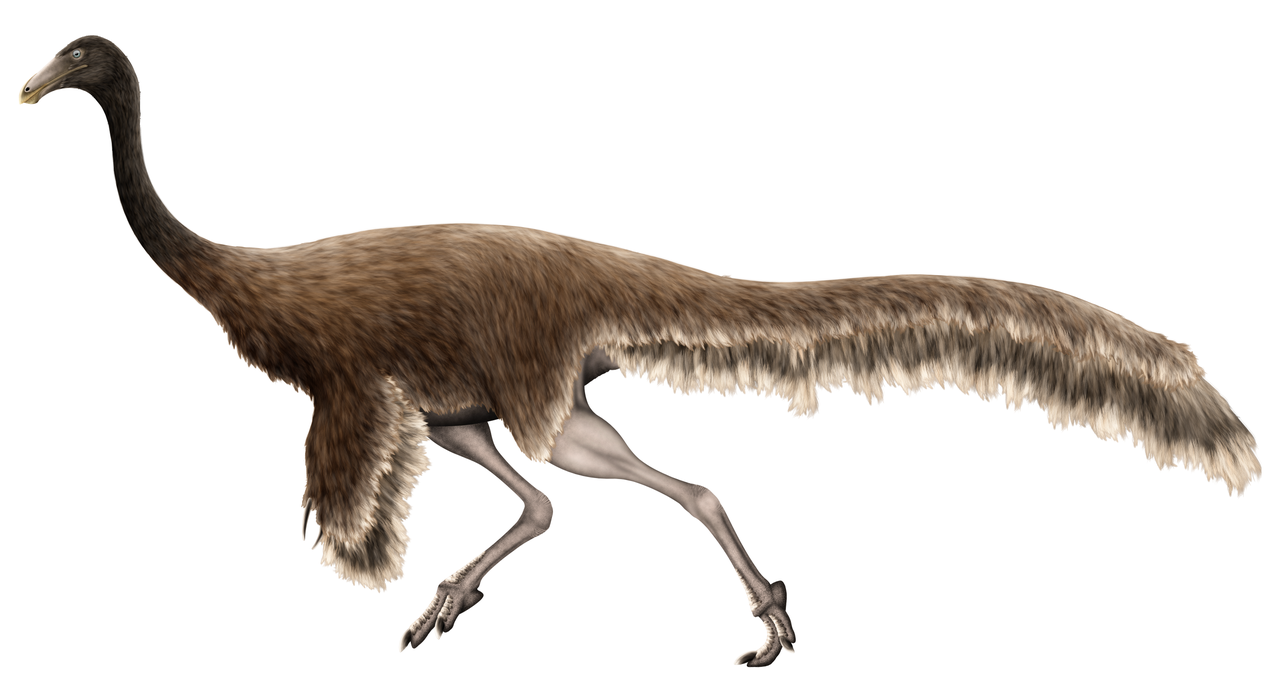


Key characteristics
Metriacanthosaurids display a combination of skull and postcranial features typical of large theropods: robust skulls with recurved, serrated teeth; three-fingered forelimbs in many species; and well-developed hindlimbs adapted for active predation. Their vertebrae often bear moderately tall neural spines, a trait reflected in the name Metriacanthosauridae (literally "moderately-spined lizards"). These anatomical details help distinguish them from other large theropod groups.
Classification and history
Historically these animals were variously assigned to broader groups such as the Megalosauridae or the Allosauridae as paleontologists sorted out relationships among large theropods. Later systematic studies recognized a distinct lineage within Carnosauria, and the family Metriacanthosauridae was established to reflect that grouping. They are commonly treated as carnosaurs closely related to, but separate from, the classic allosaur line.
Distribution and fossil record
Fossils attributed to this family are best known from Middle to Late Jurassic deposits in Europe and Asia, though fragmentary remains and isolated teeth have occasionally been suggested to extend their range. Well-known genera typically associated with the family include Metriacanthosaurus and Yangchuanosaurus, while some analyses have also placed taxa such as Sinraptor near or within the same clade. The group is represented by mostly incomplete skeletons, and isolated elements continue to play a role in reconstructing their diversity.
Notable genera and examples
- Metriacanthosaurus — the type genus that gives the family its name.
- Yangchuanosaurus — a larger Asian form known from multiple specimens.
- Sinraptor and related taxa — sometimes included or recovered near metriacanthosaurids in different studies.
Scientific interpretation continues to evolve as new finds are described; for example, unusually large isolated teeth reported in the literature have been proposed as belonging to giant metriacanthosaurid individuals, though such assignments remain tentative without associated skeletons. Overall, Metriacanthosauridae are important for understanding the diversity and evolution of large predatory dinosaurs in Jurassic ecosystems.
Questions and answers
Q: What were Metriacanthosaurids?
A: Metriacanthosaurids were a family of carnivorous theropod dinosaurs.
Q: How large were some Metriacanthosaurids?
A: Some Metriacanthosaurids were 30 ft (10 m) long.
Q: What type of dinosaurs are Metriacanthosaurids?
A: Metriacanthosaurids are carnosaurs.
Q: How were Metriacanthosaurids classified previously?
A: At first, Metriacanthosaurids were classified in the Megalosauridae or Allosauridae.
Q: What is the current classification of Metriacanthosaurids?
A: Metriacanthosaurids are now put in their own family.
Q: What was described recently in 2008 related to Metriacanthosaurids?
A: A gigantic tooth, which may come from a giant metriacanthosaurid, was described recently in 2008.
Q: What were Metriacanthosaurids known for?
A: Metriacanthosaurids tended to be large predators.
Related articles
Author
AlegsaOnline.com Metriacanthosauridae Leandro Alegsa
URL: https://en.alegsaonline.com/art/64229
Sources
- ivpp.cas.cn : ivpp.cas.cn
- springerlink.com : Supporting Information