
Messel Pit: Eocene lagerstätte and fossil treasure of Hesse, Germany
Former oil‑shale quarry near Messel, Hesse, Germany, the Messel Pit is a Middle Eocene (≈47 Ma) lagerstätte renowned for exceptionally preserved fossils, including early mammals; a UNESCO World Heritage Site since 1995.
Overview
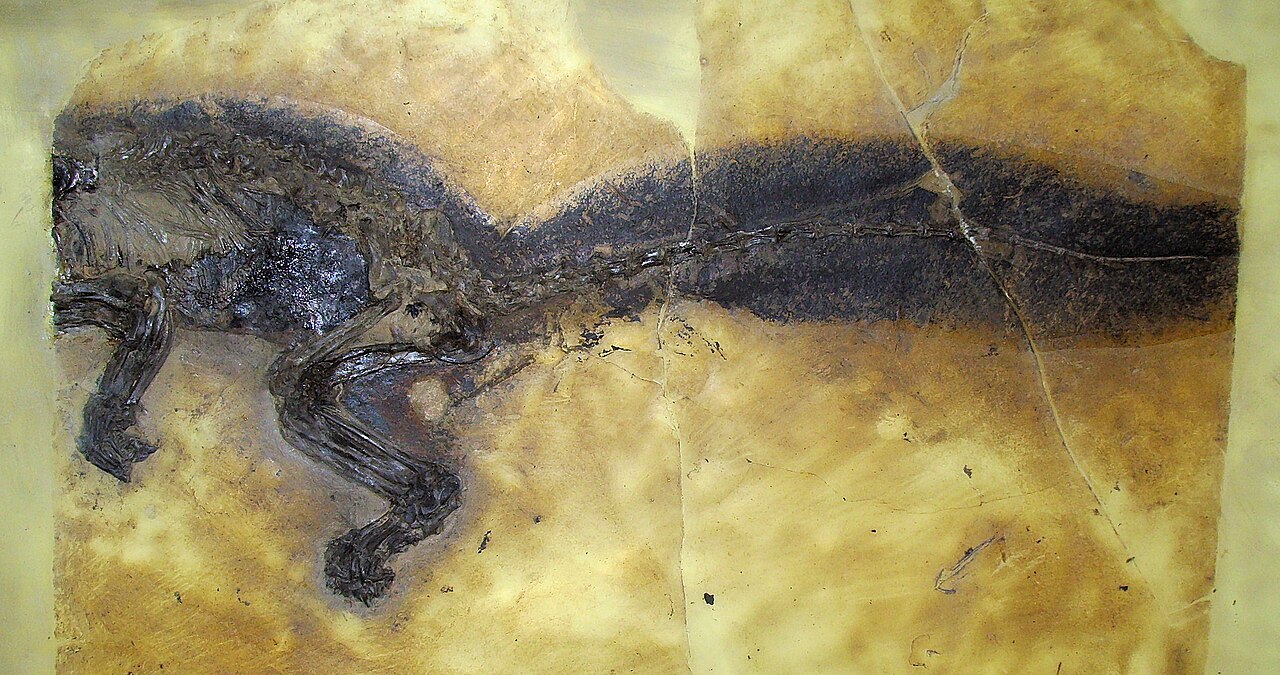
The Messel Pit (German: Grube Messel) is a disused oil‑shale quarry near the village of Messel in the state of Hesse, Germany. It lies about 35 km southeast of Frankfurt am Main and is famous for its exceptional fossil preservation. The site is classed as a lagerstätte because its sediments preserve fine anatomical detail, including soft tissues, fur, feathers and stomach contents. Messel provides a detailed snapshot of a middle Eocene ecosystem and has been central to studies of early mammal evolution and Eocene palaeoenvironments (geological and palaeontological summaries).
Image gallery
10 Images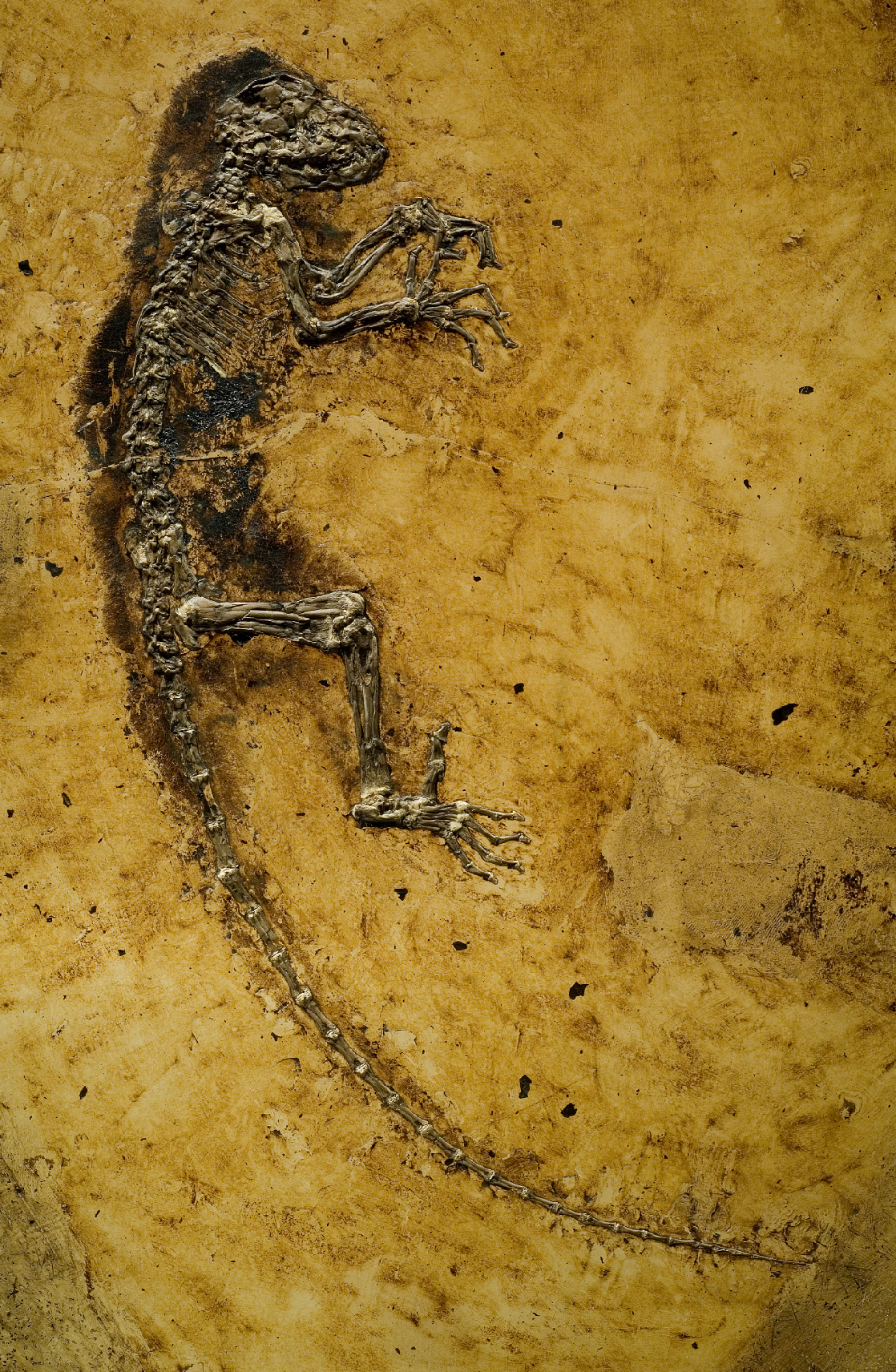






Location, age and setting
Messel is a former maar lake basin that accumulated organic‑rich sediments during the Middle Eocene, roughly 47 million years ago. Sedimentation in a stratified, often anoxic lake produced finely laminated bituminous shale that effectively inhibited decay and scavenging. These conditions allowed the preservation of delicate structures that are rarely fossilized elsewhere.
Geology and preservation
The material quarried at Messel was a dark, oil‑rich shale commonly referred to as bituminous shale. The laminated sediments formed under low oxygen conditions in a deep lake, in which fine clay and organic matter settled slowly. Rapid burial and the absence of benthic activity favored preservation. Many fossils are found as articulated skeletons with impressions of soft parts; mineralisation and subtle chemical conditions in the sulphur‑ and carbon‑rich layers contributed to their extraordinary state.
Fossil assemblage
The Messel fauna and flora are taxonomically diverse. The assemblage includes small primates, early bats, primitive ungulates (early horses and other herbivores), carnivorous mammals, birds, reptiles, amphibians, fish and a highly diverse insect fauna. Plant remains, pollen and seeds from the site help reconstruct a warm, humid Eocene climate with lush forests surrounding the lake. Together, these remains allow reconstruction of food webs, behaviour and paleobiology at unusually fine resolution.
Notable discoveries and research
Specimens from Messel have played a major role in understanding early Cenozoic life. Exceptionally complete skeletons have shed light on anatomy, locomotion and diet. Preserved stomach contents and articulated limbs have provided direct evidence of feeding interactions and life habits. The site continues to produce material that informs debates about mammal evolution and Eocene biodiversity, with ongoing work carried out by museums and research institutions (fossil collections and catalogues).
History of exploitation and protection
For much of the 20th century the basin was exploited for oil shale and associated minerals, and later faced proposals for other uses. After active mining ceased, proposals to convert the site to a landfill were met with local opposition and conservation advocacy. Public concern, scientific interest and formal protection culminated in Messel's inscription as a UNESCO World Heritage Site in 1995, recognized solely for its outstanding palaeontological value (UNESCO). Local and regional authorities in Hesse now manage the site with conservation measures and controlled research access.
Collecting, conservation and legal framework
Both amateur and professional collectors have contributed important finds. A conservation method known as the "transfer technique" was developed by local collectors and remains in use: delicate fossil slabs are stabilized and transferred to a support that preserves fragile details for study. Authorities instituted an amnesty in 1996 to encourage private collectors to make specimens available to museums and researchers without penalty, improving scientific access to privately held material. Presently, excavations are regulated and many of the best specimens are housed in public institutions where they are studied, conserved and displayed.
Site management, education and public access
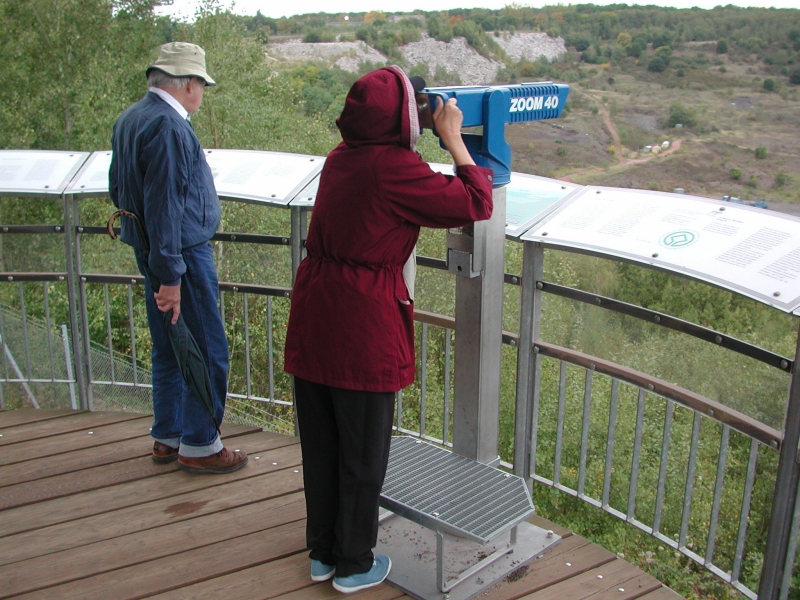
Today the Messel Pit is protected as a nature reserve and heritage site. Controlled excavations, monitoring and conservation projects are undertaken by universities, museums and regional authorities. Educational programmes, visitor facilities and museum displays interpret the site's palaeontology and geology for the public, while research continues under permits and with appropriate scientific oversight. For historical background and local information see accounts of the quarry history and regional resources (Hesse regional information).
Significance and legacy
Messel's global significance rests on the combination of taxonomic diversity and exceptional preservation, which together illuminate anatomy, ecology and evolutionary relationships of many early modern groups. The site remains a model for how palaeontological heritage can be conserved, studied and communicated to the public. Ongoing research at Messel continues to refine knowledge of Eocene climates, ecosystems and the early diversification of modern mammal groups, maintaining its status as one of the most important fossil sites of the Cenozoic era.
- Type of site: Middle Eocene lagerstätte (organic‑rich bituminous shale).
- Exceptional preservation: soft tissue impressions, fur, feathers and stomach contents.
- Broad taxonomic range: primates, bats, small ungulates, birds, reptiles, fish and insects.
- Protection: UNESCO World Heritage Site (1995) and regional nature reserve; regulated research and collecting.
For further reading and institutional resources, consult regional museum pages and scientific reviews (collection catalogues, geological summaries, and heritage information at UNESCO).
Questions and answers
Q: Where is the Messel Pit located?
A: The Messel Pit is located near the village of Messel, Hesse, about 35 km southeast of Frankfurt am Main, Germany.
Q: What type of fossils are preserved at the Messel Pit?
A: The Messel Pit preserves fine fossils, including early mammals and early primates.
Q: Why is the Messel Pit important?
A: The Messel Pit is important because of its significant geological and scientific importance, including the fossils of early mammals and early primates.
Q: What was mined at the Messel Pit?
A: Bituminous shale was mined at the Messel Pit.
Q: What stopped the Messel Pit from becoming a landfill?
A: Strong local resistance stopped the Messel Pit from becoming a landfill.
Q: Why was the Messel Pit declared a UNESCO World Heritage Site?
A: The Messel Pit was declared a UNESCO World Heritage Site solely due to its fossils.
Q: How were the fine details of small fossils preserved at the Messel Pit and who developed this technique?
A: Amateur collectors developed a "transfer technique" to preserve the fine details of small fossils at the Messel Pit, and this method is still used to preserve fossils today.
Related articles
Author
AlegsaOnline.com Messel Pit: Eocene lagerstätte and fossil treasure of Hesse, Germany Leandro Alegsa
URL: https://en.alegsaonline.com/art/64104
Sources
- whc.unesco.org : "UNESCO's World Heritage site"
- messel-fossils.eu : "Messel pit"
- eoearth.org : Pit fossil site, Germany article
- guardian.co.uk : Guardian.com, "'Zombie ants' controlled by parasitic fungus for 48m years"
- bbc.co.uk : bbc.co.uk/news/science-environment-18495102
- rsbl.royalsocietypublishing.org : rsbl.royalsocietypublishing.org/content/early/2012/06/15/rsbl.2012.0361.full