
Mesonychids: extinct hoofed carnivorous mammals
Mesonychids were an early group of hoofed, carnivorous mammals from the Paleocene–Oligocene. They show unique teeth and limb adaptations and figured in debates about the origins of whales and modern ungulates.
Overview
Mesonychids are an extinct order of mammals that combined ungulate (hoofed) limbs with carnivorous teeth and habits. They first appear in the fossil record soon after the end-Cretaceous extinction and persisted until the early Oligocene. Often called "wolves on hooves," mesonychids played an important role among terrestrial predators before the rise of modern carnivorans.
Image gallery
5 Images


Key characteristics
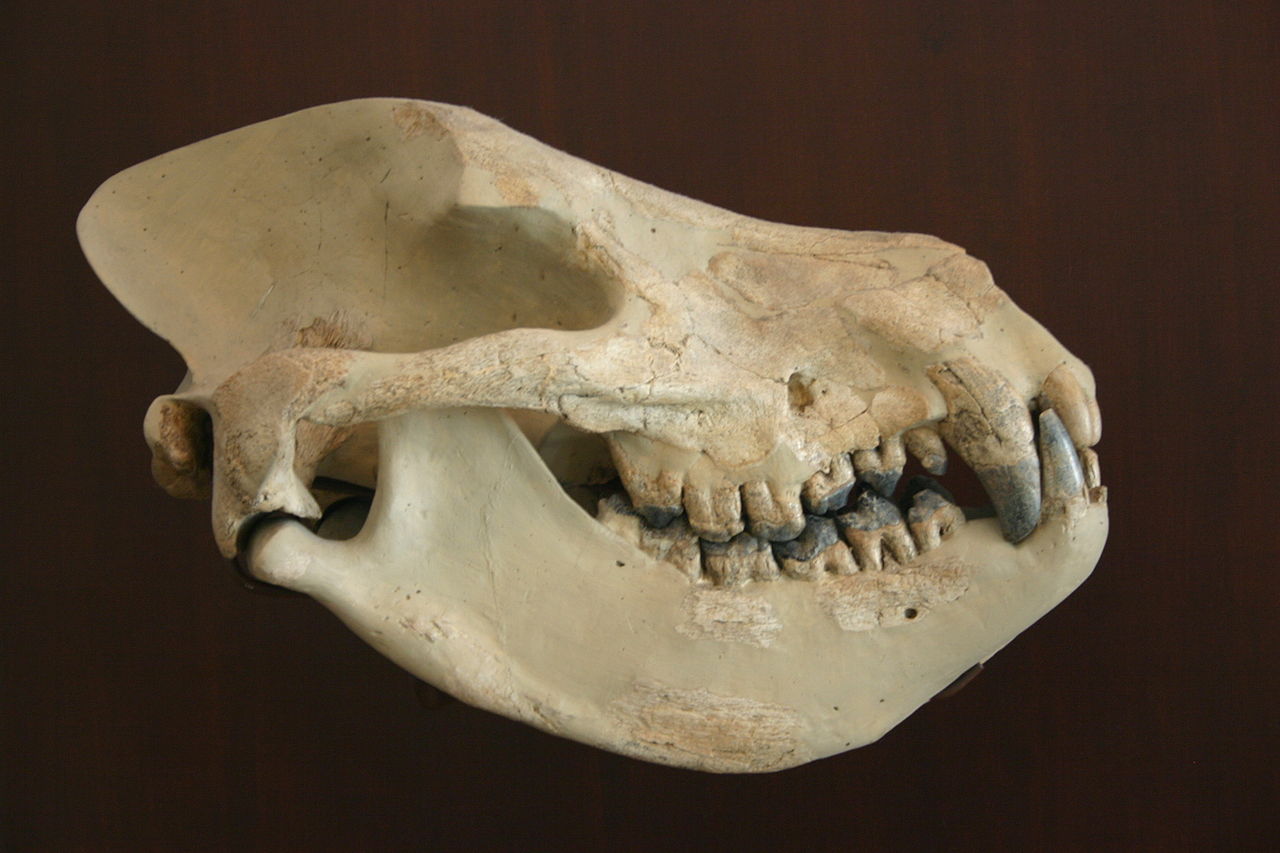
Mesonychids display a mix of features that distinguish them from other mammal groups. Typical traits include robust skulls with large, triangular molars adapted for slicing flesh and bone; limbs with reduced claws and hoof-like terminal phalanges; and a generally cursorial to powerfully built body plan. Size varied from relatively small, fox-sized species to very large forms that rivaled bears in bulk.
- Specialized dentition for shearing and crushing.
- Hoofed toes rather than paw pads or claws.
- Skull and jaw mechanics suited to a carnivorous or scavenging diet.
Evolution and scientific debate
Mesonychids first become common in the early Paleocene, with genera such as Dissacus recorded among the earliest finds. They diversified during the Paleogene but declined by the end of the Eocene and disappeared in the early Oligocene. For decades they were central to discussions about cetacean origins because of dental and cranial similarities. Later molecular and new fossil evidence shifted the consensus toward anthracotheres and early artiodactyls as closer relatives of whales, though mesonychids remain closely related to even-toed ungulates in older classifications.
Distribution and ecology
Fossils of mesonychids have been discovered across North America and Eurasia. Their ecology ranged from active predators that hunted terrestrial prey to opportunistic scavengers and possibly piscivores in some species. Changes in climate and competition from emerging carnivorans (members of the order Carnivora) likely contributed to their decline.
Notable facts and distinctions
Mesonychids are often cited in paleontology as an example of convergent evolution: they evolved wolf-like feeding adaptations while retaining ungulate-like feet. Their role in debates about whale ancestry highlights how combining anatomical and molecular evidence can revise evolutionary trees. Important genera and finds are discussed in many summaries and specialist papers.
Further reading and resources: general overview, fossil record, extinction events, Cretaceous–Paleogene context, relationships to artiodactyls, Paleocene origins, Dissacus and early genera, Eocene decline, Oligocene extinction.
Questions and answers
Q: What are Mesonychids?
A: Mesonychids are an extinct order of carnivorous mammals, closely related to artiodactyls.
Q: When did Mesonychids first appear?
A: Mesonychids first appeared in the early Palaeocene with the genus Dissacus.
Q: What was the significance of Mesonychids in the animal kingdom?
A: Mesonychids were the first mammalian carnivores after the extinction of the dinosaurs.
Q: How were Mesonychids known colloquially?
A: Mesonychids were known as "wolves on hooves."
Q: When did Mesonychids become extinct?
A: Mesonychids went in decline at the end of the Eocene, and became extinct in the early Oligocene.
Q: What was the relationship between Mesonychids and artiodactyls?
A: Mesonychids are closely related to artiodactyls.
Q: What was the name of the first Mesonychid genus?
A: The first Mesonychid genus was Dissacus.
Related articles
Author
AlegsaOnline.com Mesonychids: extinct hoofed carnivorous mammals Leandro Alegsa
URL: https://en.alegsaonline.com/art/64091
Sources
- paleocene-mammals.de : "Carnivores, creodonts and carnivorous ungulates: Mammals become predators"