
Mesoamerican ballgame
Ancient team sport from Mesoamerica played since c.1400 BCE; notable for rubber balls, specialized stone courts, ritual roles, regional rule-sets, and modern descendants such as ulama.
Overview
The Mesoamerican ballgame is a collective term for a family of ball sports played across the cultures of Mesoamerica from at least the second millennium BCE. Archaeological and iconographic evidence shows teams competing in formal stone courts using a solid rubber ball, making it one of the earliest known team sports and the earliest documented use of rubber in a sporting context. Scholars often describe it as both a game and an element of ritual life, with meanings that varied between regions and eras.
Image gallery
10 Images


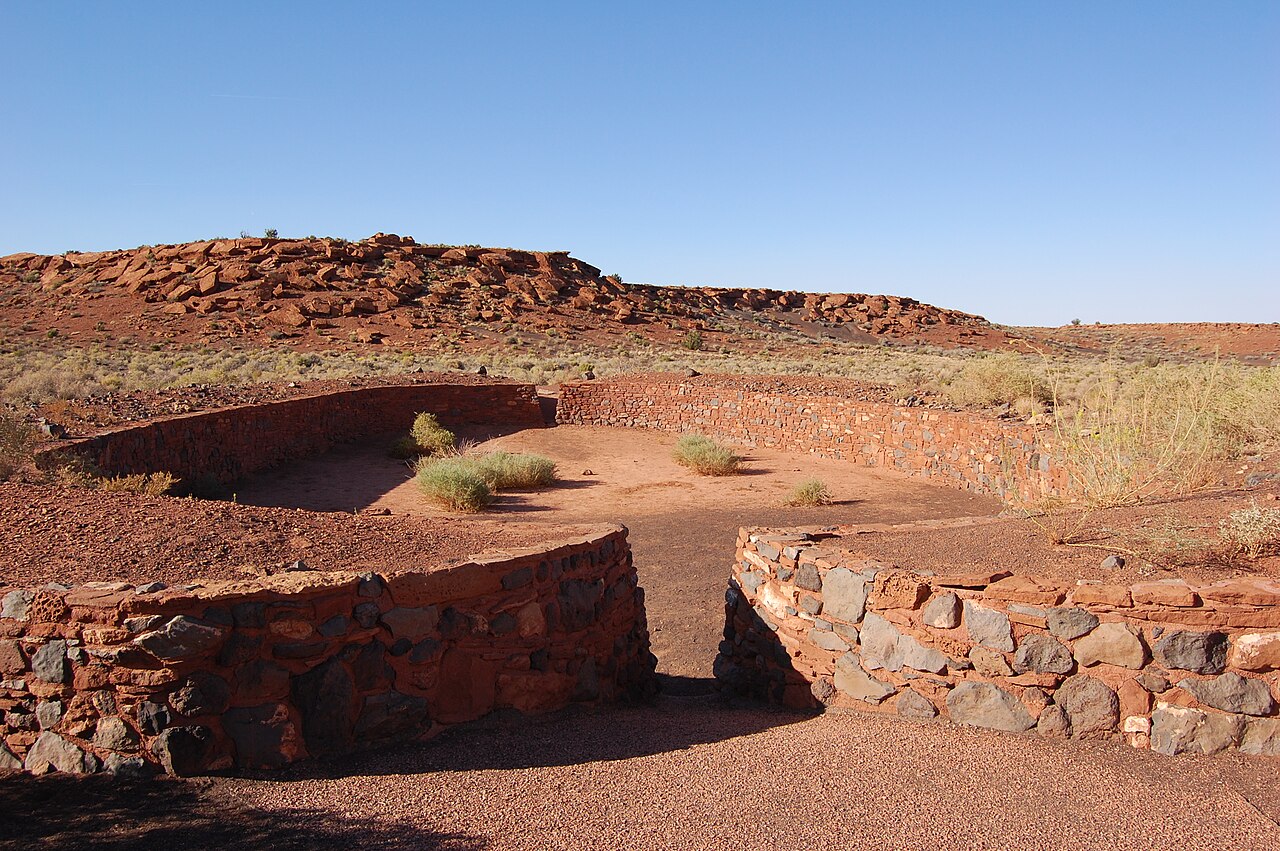
Equipment and playing spaces
Central equipment included a heavy, bouncy ball made from vulcanized or processed natural rubber and, in some traditions, protective padding or hip belts. Matches took place on distinctive ballcourts — long, narrow spaces with sloping walls and end zones framed by stone. Some courts feature vertical stone rings or markers set high on the walls that may have served as scoring targets. The stone architecture and carved reliefs that survive at many sites provide much of what we know about how the game looked in practice.
Rules, styles and play
There was no single standardized rulebook: local rules determined how players could move the ball (by hips, forearms, or rackets in later variants), how points were scored, team sizes, and which parts of the body were permitted. In many versions the ball could not touch the ground; in others a goal was to pass the ball through a hoop or to keep it in play for a set number of exchanges. The degree of physical contact and the use of protective gear varied. Contemporary descriptions emphasize that the game combined athletic skill with strict ceremonial framing.
History and cultural importance
Evidence for the game appears as early as the Olmec era, and the sport is closely associated with major cultures such as the Olmecs, the Maya and the Aztecs. In Classic Maya inscriptions the game is called pitz, while Nahuatl speakers used the term ōllamaliztli. Ballgames feature in myths and codices — for example, the Maya Popol Vuh recounts a ballgame played by mythic Hero Twins against underworld lords — and scene after scene of carved and painted art depicts players, spectators and associated ritual. Some events appear to have had political or sacrificial dimensions, though the scale and frequency of such practices differ in the evidence and remain debated among researchers.
Archaeology, chronology and spread
Archaeological finds include a wide range of ballcourts from small community courts to grand urban arenas. The earliest secure dates for rubber balls and ballplay go back over three millennia in some contexts, and the tradition persisted into the historic period encountered by Spanish chroniclers. Scholars reconstruct the game's diffusion and transformation by combining archaeological remains, iconography and early colonial reports. For interpretive resources, see academic surveys and museum collections that document ballcourt architecture and artifacts across the region.
Modern legacy and notable facts
Descendants of the ancient game survive in parts of Mexico as modern sports such as ulama, played with regional rule-sets and community pride. The Mesoamerican ballgame is often highlighted for several distinctive features:
- Its long chronological span and cultural persistence across hundreds of communities (sport history).
- The widespread use of a rubber ball, an innovation of local technology (rubber).
- Its combination of athletic contest and ceremonial, political or cosmological meaning, visible in art and myth (historians and interpreters).
- Regional names and terms that reflect linguistic diversity (team, Nahuatl references).
For those interested in further reading there are accessible museum displays and scholarly overviews that synthesize iconography, ethnography and excavation results. Contemporary community play and revival projects continue to reshape public understanding of this rich and ancient sporting tradition in Mexico and beyond, linking the past to living cultural practice (history, Olmec contexts, and regional studies at Maya sites).
Additional resources and online repositories can provide images and site reports; for curated introductions see museum pages and educational overviews that collect archaeological evidence, ethnographic accounts and reconstructions of how the game was played across Mesoamerica (material culture, regional studies, sport overviews).
Questions and answers
Q: How long have people in Mesoamerica played the Mesoamerican ball game?
A: People in Mesoamerica have played the Mesoamerican ball game since about 1,400 B.C.E.
Q: What was the significance of the Mesoamerican ball game in history?
A: The Mesoamerican ball game was the first team sport in history.
Q: Which ancient civilization may have created the Mesoamerican ball game?
A: The Olmecs, who lived from 1,200 B.C.E. to 400 B.C.E., may have created the Mesoamerican ball game.
Q: What did the ancient Mayans call the Mesoamerican ball game?
A: The ancient Mayans called the Mesoamerican ball game "pitz" in Classical Maya.
Q: What did the Aztecs call the Mesoamerican ball game?
A: The Aztecs called the Mesoamerican ball game "ōllamaliztli" in their language, Nahuatl.
Q: Do people still play a version of the Mesoamerican ball game in some parts of Mexico?
A: Yes, in some parts of Mexico, indigenous people still play a more modern version of the game, called ulama.
Q: What was the first sport in history ever to use a rubber ball?
A: The Mesoamerican ball game was the first sport in history ever to use a rubber ball.
Related articles
Author
AlegsaOnline.com Mesoamerican ballgame Leandro Alegsa
URL: https://en.alegsaonline.com/art/64082
Sources
- doi.org : 10.1038/31837
- aztec-history.com : "Aztec Ball Game"
- worldcat.org : 22765562