
Mermaid: the mythic half‑human, half‑fish figure
A mermaid is a mythological being with a human upper body and a fish tail, found in folklore worldwide; associated with sea lore, siren songs, artistic imagery, and varied cultural meanings.
Overview
A mermaid is a legendary mythological creature typically described with the head and torso of a human female and the lower body of a fish, often represented with a fish tail. Accounts of mermaids appear in the traditional stories, art, and maritime lore of many cultures. They are commonly linked to coastal places and bodies of water, and their portrayals range from benevolent water spirits to ominous omens.
Image gallery
10 Images





Characteristics and regional variations
Descriptions vary by region. Some traditions emphasize a beautiful singing voice or supernatural wisdom; other tales stress danger, such as luring sailors. Merfolk may be solitary or social, and male counterparts—called mermen—appear in some stories. In Slavic folklore, related beings called rusalki inhabit freshwater; in classical accounts the lines between mermaids and sirens or other sea-spirits can blur.
Common traits attributed to mermaids include long hair, an affinity for combs, and an ambiguous relationship with humans: they might rescue drowning people, foretell storms, or cause shipwrecks. Artistic depictions vary from fully fish-tailed figures to hybrids combining human legs and fish-scale patterns.
History and cultural significance
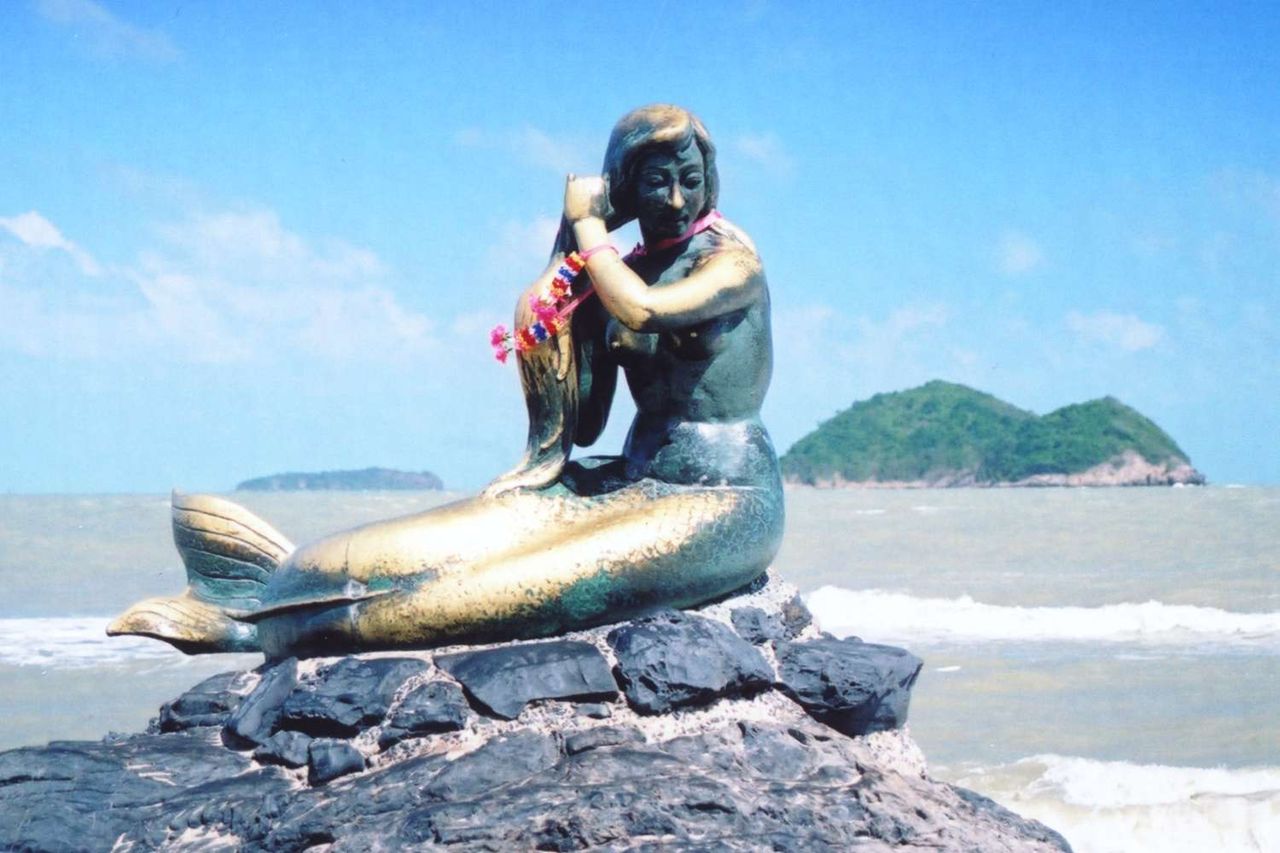
Stories of human-fish hybrids appear in ancient civilizations and continued through medieval bestiaries, sailors' tales, and early modern literature. Mariners sometimes claimed sightings, and these reports influenced myth and superstition. Mermaids are often pictured emerging from the surf to sit on large rocks or headlands above the sea, and in many traditions they were thought capable of producing siren-like calls that could entice or endanger seafarers.
Uses, representations, and modern meanings
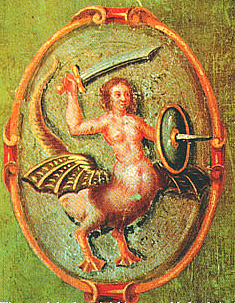
Mermaids appear across media: folktales, opera and classical literature, heraldry, painting, modern fantasy, films, and advertising. In contemporary culture they serve varied symbolic roles—romanticized icons of the sea, figures of feminine power, or subjects of environmental commentary about oceans and marine life. Museums and popular exhibitions display historic mermaid imagery alongside scholarly explanations of folklore.
Notable distinctions and motifs
- Siren vs. mermaid: In some traditions sirens are birdlike and distinct, while in later art they merge with mermaid imagery.
- Water type: Sea mermaids contrast with freshwater spirits; attributes and dangers often differ.
- Cultural role: Some cultures treat mermaids as ancestral or protective spirits, others as tricksters or warnings.
Because mermaid tales are widespread and mutable, scholarly treatment emphasizes regional sources, oral transmission, and the interaction between sailors' experience and imaginative storytelling. For further reading and specialized studies see resources linked above and in maritime folklore collections.
Questions and answers
Q: What is a mermaid?
A: A mermaid is a mythological creature with a female human head and upper body and the tail of a fish.
Q: Where do mermaids mostly live?
A: Mermaids are said to live mostly in the water.
Q: Do mermaids come out of the water?
A: Yes, sometimes they are known to come out of the water and sit on the large rocks above the sea.
Q: What is thought to be the cause of boats crashing according to the myth?
A: It was thought that mermaids would make boats crash with their siren-like calls.
Q: Is it true that mermaids exist in real life?
A: No, mermaids are just a mythological creature.
Q: Are there male mermaids?
A: Yes, male mermaids are referred to as mermen.
Q: What is the origin of the myth of the mermaid?
A: The myth of the mermaid originates from ancient folklore and legends from various cultures around the world.
Related articles
Author
AlegsaOnline.com Mermaid: the mythic half‑human, half‑fish figure Leandro Alegsa
URL: https://en.alegsaonline.com/art/64000
Sources
- mpt.org : Teacher's Guide
- ucl.ac.uk : "The Mermaid"
- um.warszawa.pl : "Warsaw Mermaid's Statue"
- tourismvictoria.com : Myths & Legends
- folklore.bc.ca : Folklore Examples in British Columbia
- haaretz.com : "Is a mermaid living under the sea in Kiryat Yam?"
- gg.ca : "The Public Register of Arms, Flags, and Badges of Canada > Michaëlle Jean"
- snopes.com : Urban Legends Reference Pages: Mermaid to Order
- underwatertimes.com : "Experts: Sea cow 'sirens' fuel mermaid mythology; sailors' deprivation sparked images"
- ncbi.nlm.nih.gov : "The cyclops and the mermaid: an epidemiological study of two types of rare malformation"
- doi.org : 10.1136/jmg.29.1.30
- pubmed.ncbi.nlm.nih.gov : 1552541
- sciencedirect.com : "Journal of Pediatric Surgery: A surviving infant with sirenomelia (mermaid syndrome) associated with absent bladder"