
Mercury(II) sulfate (mercuric sulfate)
Mercury(II) sulfate (HgSO4) is an inorganic mercury salt used historically as a catalyst in organic reactions; it is a toxic, crystalline compound containing Hg2+ and sulfate anions.
Overview
Mercury(II) sulfate, commonly called mercuric sulfate, is an inorganic salt with the formula HgSO4. It consists of mercury in the +2 oxidation state paired with sulfate anions. As a laboratory and industrial reagent it is best known for its role as a catalyst in the hydration of alkynes; because of the toxicity of mercury compounds its use has declined and is now tightly regulated in many countries. Basic descriptive information is available in standard chemical references and databases (compound).
Image gallery
2 Images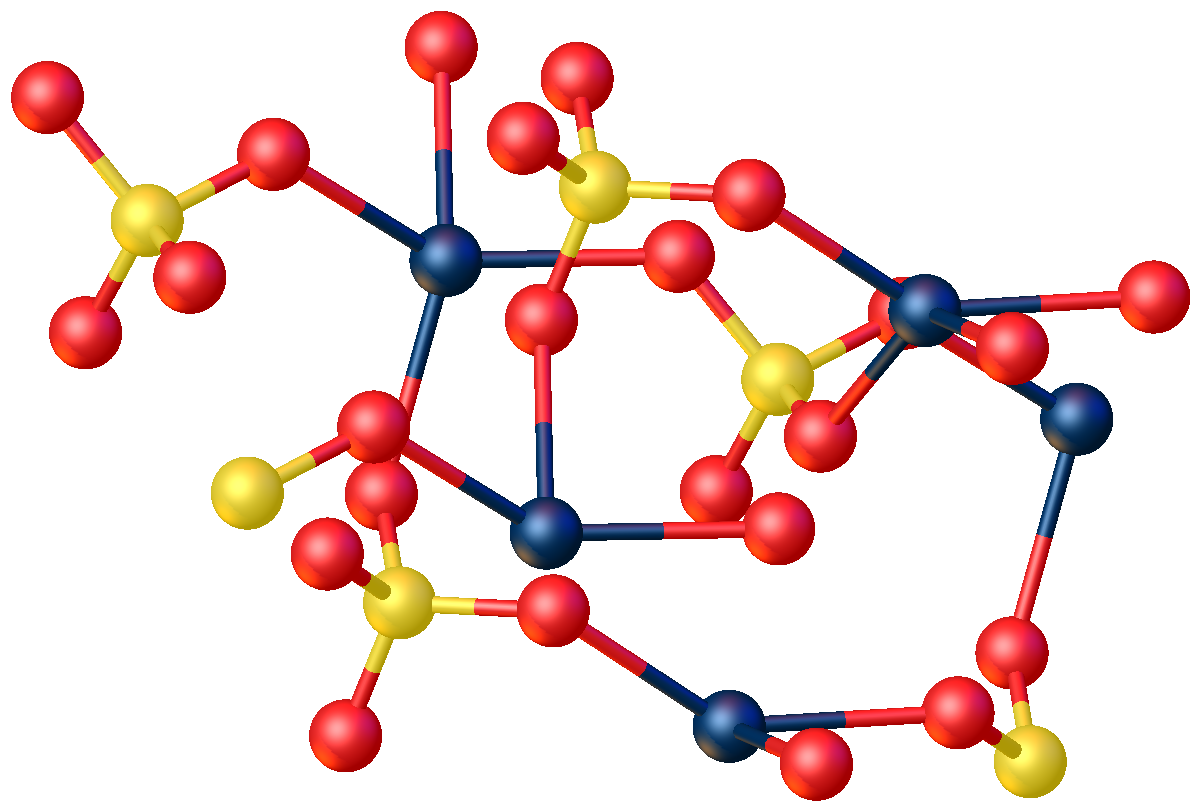

Physical and chemical characteristics
In solid form HgSO4 is typically a white to pale yellow crystalline material. It is sparingly soluble in water and can hydrolyze under strongly acidic or alkaline conditions to give other mercury-containing species. The mercury center is in a divalent state, often described as Hg(II), and the sulfate moiety behaves as the typical tetrahedral sulfate ion. Like many mercury salts it can form coordination complexes with electron-donating ligands.
Preparation and typical reactions
Laboratory preparations generally start from other mercury(II) compounds such as the oxide or chloride, treated with sulfuric acid under controlled conditions to afford HgSO4. One well documented reaction catalyzed by mercury(II) sulfate (in acidic medium) is the hydration of acetylene to give acetaldehyde, a process historically important to chemical manufacture. Due to the environmental and health hazards associated with mercury, many such processes have been replaced by less toxic catalysts.
Uses and historical context
Historically HgSO4 has been employed in organic synthesis as a catalyst for alkyne hydration and in certain mercuration reactions. Industrially it contributed to early routes for producing aldehydes from alkynes. Over the late 20th century, recognition of mercury's bioaccumulative toxicity prompted substitution of mercury-based catalysts with alternatives and stricter controls on disposal and emissions.
Safety, environmental impact, and handling
Mercury(II) sulfate is highly toxic by ingestion, inhalation, and skin contact. It poses risks of mercury poisoning and long-term environmental contamination because mercury compounds can bioaccumulate. Handling requires appropriate personal protective equipment, pollution-control measures, and waste management. Heating or strong decomposition can release toxic mercury vapors and sulfur oxides; emergency and regulatory guidance should be consulted before use. Practical safety summaries are provided in chemical safety data sheets and regulatory documents (mercury).
Distinctions and notable facts
- Do not confuse HgSO4 with mercury(II) chloride (HgCl2) or mercury(I) sulfate (containing Hg2(2+)).
- Because of toxicity concerns its industrial role has diminished and alternatives are preferred where feasible.
- Further technical details and authoritative references can be found in chemical handbooks and specialized databases (oxidation state, sulfate).
Questions and answers
Q: What is mercury(II) sulfate?
A: Mercury(II) sulfate is a chemical compound that contains mercury and sulfate ions with the chemical formula HgSO4.
Q: What is the oxidation state of mercury in mercury(II) sulfate?
A: The mercury in mercury(II) sulfate is in its +2 oxidation state.
Q: What are the ions present in mercury(II) sulfate?
A: Mercury(II) sulfate contains mercury and sulfate ions.
Q: What is the chemical formula of mercury(II) sulfate?
A: The chemical formula of mercury(II) sulfate is HgSO4.
Q: What is another name for mercury(II) sulfate?
A: Mercury(II) sulfate is also known as mercuric sulfate.
Q: What are the components of mercury(II) sulfate?
A: The components of mercury(II) sulfate are mercury and sulfate ions.
Q: What is the oxidation state of mercury in mercury(II) sulfate?
A: The oxidation state of mercury in mercury(II) sulfate is +2.
Related articles
Author
AlegsaOnline.com Mercury(II) sulfate (mercuric sulfate) Leandro Alegsa
URL: https://en.alegsaonline.com/art/63940