
Mencius (Mengzi): Life, Thought, and Influence
Mencius (Mengzi) was a major Confucian thinker of the Warring States period who argued for the innate goodness of human nature, moral cultivation, and the responsibilities of rulers toward the people.
Mencius, known in Chinese as Mengzi or Mèng Kē, was an influential Confucian philosopher who lived in the Warring States era (commonly dated c. 372–289 BCE). He is often described as the most important Confucian after Confucius himself. The name Mencius is a Latinized form used in Western scholarship; in Chinese his name appears as 孟子. Mencius traveled among regional courts offering moral instruction, composed dialogues and aphorisms, and developed a systematic defense of Confucian ethics.
Image gallery
5 Images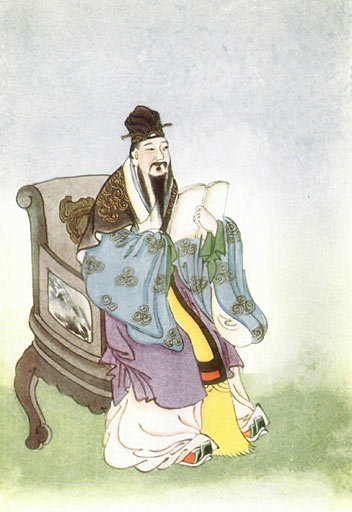


Core moral teachings
Mencius is best known for his belief that human beings are born with an innate moral sense and the potential for virtue. He argued that moral qualities develop through cultivation and proper environment rather than through coercion alone. Central to his account are the so-called "four sprouts" or "four beginnings," early moral inclinations that can grow into full virtues when nourished by education, ritual, and example:
- Compassion or pity → the seed of benevolence (ren).
- A feeling of shame and dislike → the seed of righteousness (yi).
- A sense of modesty and deference → the seed of propriety or ritual conduct (li).
- A sense of right and wrong → the seed of wisdom (zhi).
Mencius emphasized inner disposition and moral reasoning; he held that cultivating these inclinations produces humane behavior and social harmony. He also stressed education, family practice, and ritual as means to strengthen moral capacities and align personal conduct with social responsibilities.
Political thought and the duties of rulers
Politically, Mencius combined moral psychology with normative claims about government. He taught that rulers must govern benevolently: they should safeguard the welfare of the people, avoid excessive taxation or cruelty, and create conditions for moral and material well‑being. Because legitimate rule depends on serving the people, Mencius held that those who persistently fail in this duty forfeit moral legitimacy. He maintained that the people have a moral right to remove a ruler who consistently abuses power or neglects the common good, although his writings focus on moral justification rather than practical prescriptions for rebellion. In many passages he addressed rulers directly and criticized policies he judged unjust, arguing that virtuous leadership is the surest guarantee of stability and prosperity (rulers).
Text, context, and intellectual opponents
The ideas associated with Mencius are preserved in the book that bears his name, traditionally included among the Four Books of Confucianism. The text records conversations, debates, and short essays and was compiled after his lifetime. Mencius wrote in the turbulent Warring States period, a time when numerous schools of thought competed for influence. He frequently debated alternative positions such as Legalism, which emphasized strict law and punishment, and Mohism, which promoted impartial concern. Mencius’s optimistic view of human nature contrasts with that of the later Confucian thinker Xunzi, who argued that human nature is not inherently good and requires strict education and ritual to become moral.
Legacy and later reception
Mencius became a central figure in later Confucian revival movements. During the Han dynasty and especially from the Song dynasty forward, scholars and officials treated his writings as essential for moral education and statecraft. Neo‑Confucian thinkers adapted, criticized, and expanded his ideas about innate moral tendencies and self‑cultivation. In East Asian educational traditions the Mencius was studied as part of the core curriculum for officials and moral instruction. Today his arguments about moral sentiment, political legitimacy, and humane governance remain widely cited in discussions of classical Chinese ethics and political philosophy.
Notable distinctions and modern relevance
Mencius is often summarized by three distinctive claims: that humans possess natural moral seeds requiring cultivation; that a ruler’s legitimacy depends on benevolent rule; and that moral example and education are primary means of social improvement. Scholars continue to debate how best to interpret his psychology and political prescriptions, but his writings are repeatedly referenced in comparative ethics and in modern discussions about human nature, rights of governance, and the moral obligations of leaders. For further general reference on his life and works see Confucian texts and traditions.
Questions and answers
Q: Who was Mèng Kē?
A: Mèng Kē was a Chinese philosopher also known as Meng Zi or Mencius.
Q: When did Mencius live?
A: Mencius lived from about 371 B.C. to about 289 B.C.
Q: Who did Mencius regard as the greatest teacher?
A: Mencius regarded Confucius as the greatest teacher.
Q: What did Mencius teach about humans?
A: Mencius taught that humans are born with four gifts: the natural ability to feel what other people feel and to want to help and protect them, the ability to recognize when they are not doing their share of maintaining a good society, the ability to recognize conflict situations before they grow big and to defuse them, and the ability to recognize when some other people are hurting others and want to obtain justice for those being hurt.
Q: What did Mencius believe about the relationship between the ruler and the people?
A: Mencius believed that just as the people owed things to the ruler, the ruler also owed things to the people.
Q: When would it be acceptable for the people to get rid of the ruler, according to Mencius?
A: If a man held the position of ruler but did not do the things for the people that a ruler should do, then it was acceptable for the people to get rid of the ruler, and even to kill him, according to Mencius.
Q: What is the name of the book that Mencius wrote?
A: The book that Mencius wrote is called by his name, so in English it is called the Mencius.
Related articles
Author
AlegsaOnline.com Mencius (Mengzi): Life, Thought, and Influence Leandro Alegsa
URL: https://en.alegsaonline.com/art/63781
Sources
- wfu.edu : wfu.edu/~moran/zhexuejialu/Brass-bound_Coffer.html
- merriam-webster.com : this dictionary