
Megaupload — Hong Kong file hosting and its legacy
Megaupload was a Hong Kong–based file hosting and sharing service known for large-file transfers, premium accounts, and high-profile legal controversies leading to its 2012 seizure and lasting impact on cloud-hosting policy.
Overview
Megaupload was a popular online file hosting and sharing service based in Hong Kong. It provided a web interface through which users could upload, store and distribute digital content; each uploaded item generated a shareable download link that could be sent to others. The site was part of a family of related services, including Megavideo and Megapix, and combined free and paid access tiers with advertising to fund operations. For central reference users could visit an official site link such as Megaupload and download or share individual files.
Image gallery
5 Images



Features and account types
Megaupload offered tiered access levels that affected upload limits, storage retention and download speed. Unregistered visitors could upload and download files with limited size allowances; registered free accounts had larger quotas and longer retention; paying subscribers received extended storage and priority download performance. After a file was uploaded the service produced a URL that allowed direct access to the content. The platform displayed advertising to non-paying users and implemented incentive programs to reward users who uploaded frequently downloaded material.
Retention rules and technical notes
The service enforced deletion policies based on account status and activity. In general, files uploaded by unregistered users were removed after a relatively short inactive period, while files associated with free accounts were maintained longer, and premium accounts enjoyed indefinite retention while the subscription was active. Megaupload also supported large single-file uploads and, in the case of its sister services, streaming functionality for video content. These capabilities made it convenient for sending large datasets, backups, or media files that were otherwise difficult to transfer via email.
History and legal developments
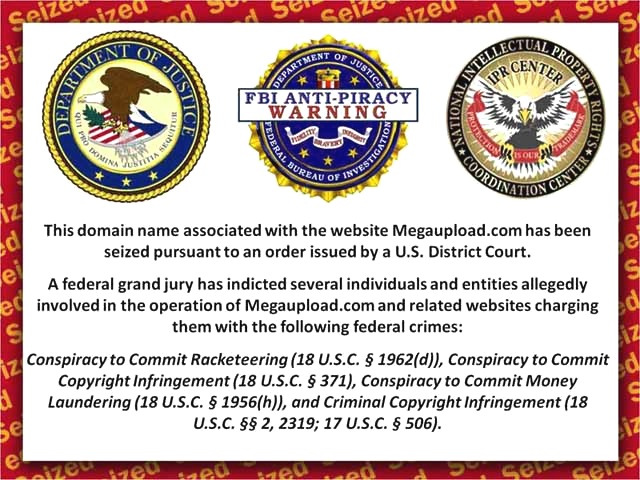
Megaupload grew rapidly as a general-purpose file host and drew media attention because some users shared copyrighted material through the site. In 2012 authorities in the United States took action against the service, seizing domains and alleging widespread infringement; the company was effectively shut down and its operators faced criminal proceedings. The shutdown sparked broad discussion about the responsibilities of hosting platforms, server jurisdiction, and how copyright law applies to cloud-based services. Some of the founders and operators later launched other projects in the cloud-storage space.
Uses, controversies and legacy
Many users employed Megaupload for legitimate purposes: transferring large project files, sharing open-source datasets, or backing up personal media. At the same time the platform became synonymous with debates over online piracy because its convenience also attracted copyright violations. The resulting enforcement actions helped shape later policies for file-hosting providers, takedown procedures, and the balance between user privacy and liability for hosted content. Megaupload’s rise and fall is commonly cited in discussions about the legal and technical limits of cloud storage and file sharing.
Notable distinctions
- Part of a family of services that included streaming-focused sites.
- Mixed revenue model: advertising for free users, subscriptions for premium access.
- Tensions between legitimate large-file use and misuse for distributing copyrighted material.
- Its 2012 seizure remains a landmark event in internet copyright enforcement and cloud-hosting law.
Questions and answers
Q: What was Megaupload?
A: Megaupload was a website that allowed people to upload and download files.
Q: Where was Megaupload based?
A: It was based in Hong Kong.
Q: What were the sister websites of Megaupload?
A: The sister websites of Megaupload include Megavideo, Megapix, Megalive and others.
Q: How much space did free accounts have on Megaupload?
A: Free accounts had 200 GB of space on Megaupload.
Q: How long did files uploaded by users without accounts stay on Megaupload?
A: Files uploaded by users without accounts stayed on Megaupload for 21 days.
Q: How was Megaupload supported?
A: Megaupload was supported by advertising and displayed advertising as users downloaded the files.
Q: What incentives did Megaupload give to people who uploaded the files that were downloaded the most?
A: Megaupload gave incentives to people who uploaded the files that were downloaded the most.
Related articles
Author
AlegsaOnline.com Megaupload — Hong Kong file hosting and its legacy Leandro Alegsa
URL: https://en.alegsaonline.com/art/63526
Sources
- release-news.com : "UploadFiles Releases Free Completely New Service In Order To Share Files Online"
- megaupload.com : megaupload.com
- google.com : google.com
- washingtonpost.com : "Megaupload lawyer Q&A on DOJ criminal case"
- news.smh.com.au : "Four Megaupload personnels arrested in New Zealand"
- gizmodo.com : "Jailed MegaUpload Employees Denied Bail"
- online.wsj.com : "Hong Kong Freezes Megaupload Assets"
- blogs.ft.com : "Anonymous in revenge attack for MegaUpload shutdown"
- rt.com : "Internet strikes back: Anonymous' Operation Megaupload explained – RT"
- thelocal.fr : "Hackers bring down French anti-piracy site"
- pastebin.com : "Anonymous post on Pastebin"