
Medical Renaissance: Rebirth of Anatomy and the Foundations of Modern Medicine
The Medical Renaissance (c.1400–1700) was a European renewal of anatomy, physiology and clinical observation that challenged ancient authorities and led to lasting medical advances.
Overview
The Medical Renaissance describes roughly three centuries of renewed attention to human biology and clinical practice in Europe. Beginning around 1400 and extending into the 17th century, this movement combined recovery of ancient texts with systematic observation and experiment. Traditional medical theories were reexamined alongside the writings of the Greeks and Romans, and practitioners increasingly prioritized first‑hand study over received authority. The period set the stage for many principles now taken for granted in modern medicine.
Image gallery
10 Images




Conditions and catalysts for change
At the outset many doctors relied on inherited ideas rather than dissection or measurement; knowledge of anatomy and physiology was incomplete and often mixed with speculation. Several developments accelerated progress. The advent of the printing press from the mid‑15th century made it possible to circulate observations and treatises widely and to have texts mass‑produced. A more open intellectual climate encouraged empiricism and critical reading of ancient authors, and rising numbers of trained scientists and physicians shared findings across borders and languages.
Key figures and discoveries
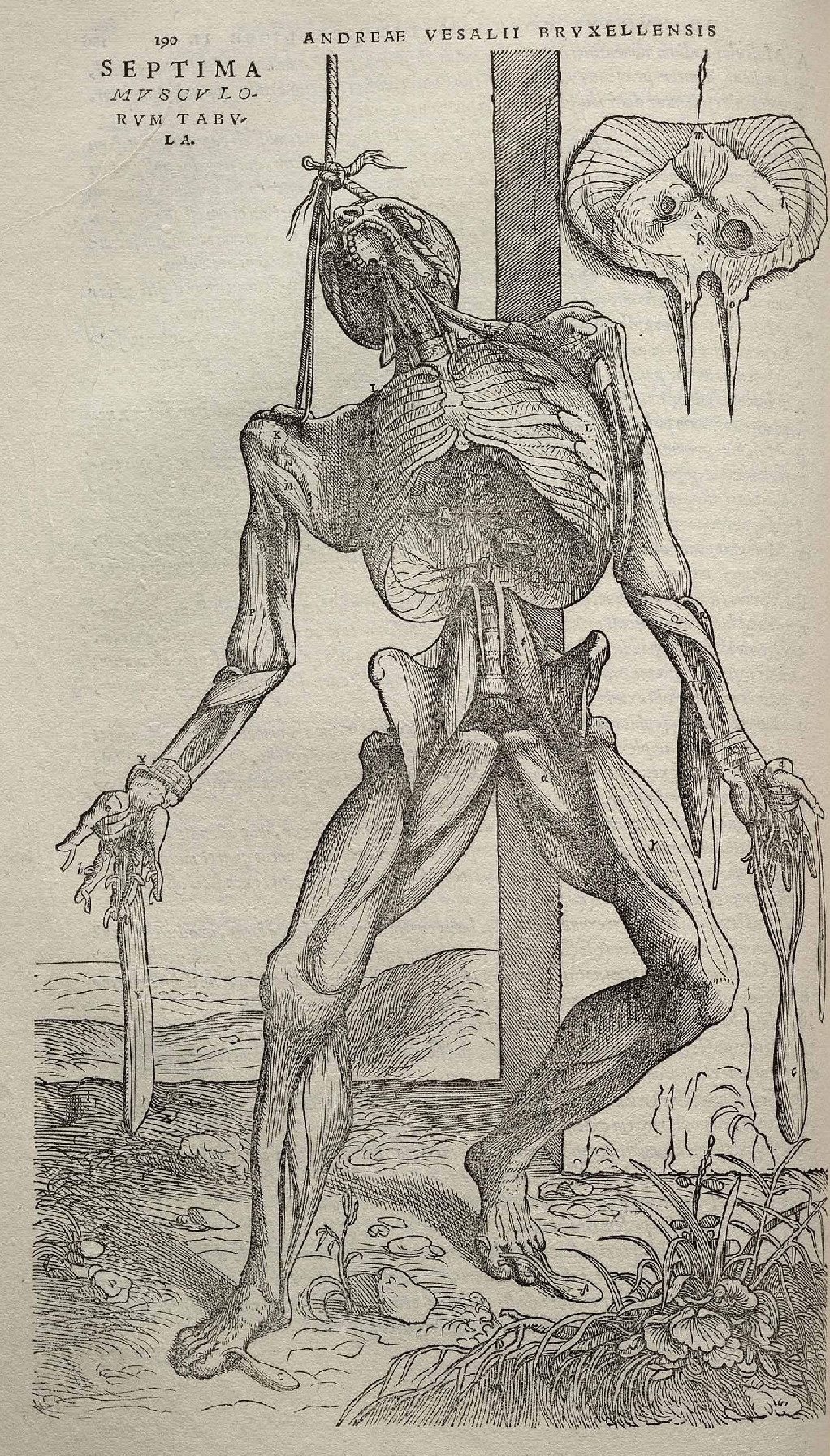
One turning point was the publication in 1543 of Andreas Vesalius’s detailed anatomical work. Vesalius corrected many long‑standing errors by insisting on direct observation and by illustrating human dissections. His plates clarified the arrangement of bones, muscles and internal organs, transforming both teaching and surgical practice. Later, in 1628, William Harvey described how the heart drives blood through a network of blood vessels in a closed circulatory system, replacing earlier, less accurate accounts of blood movement.
Practices, institutions and examples
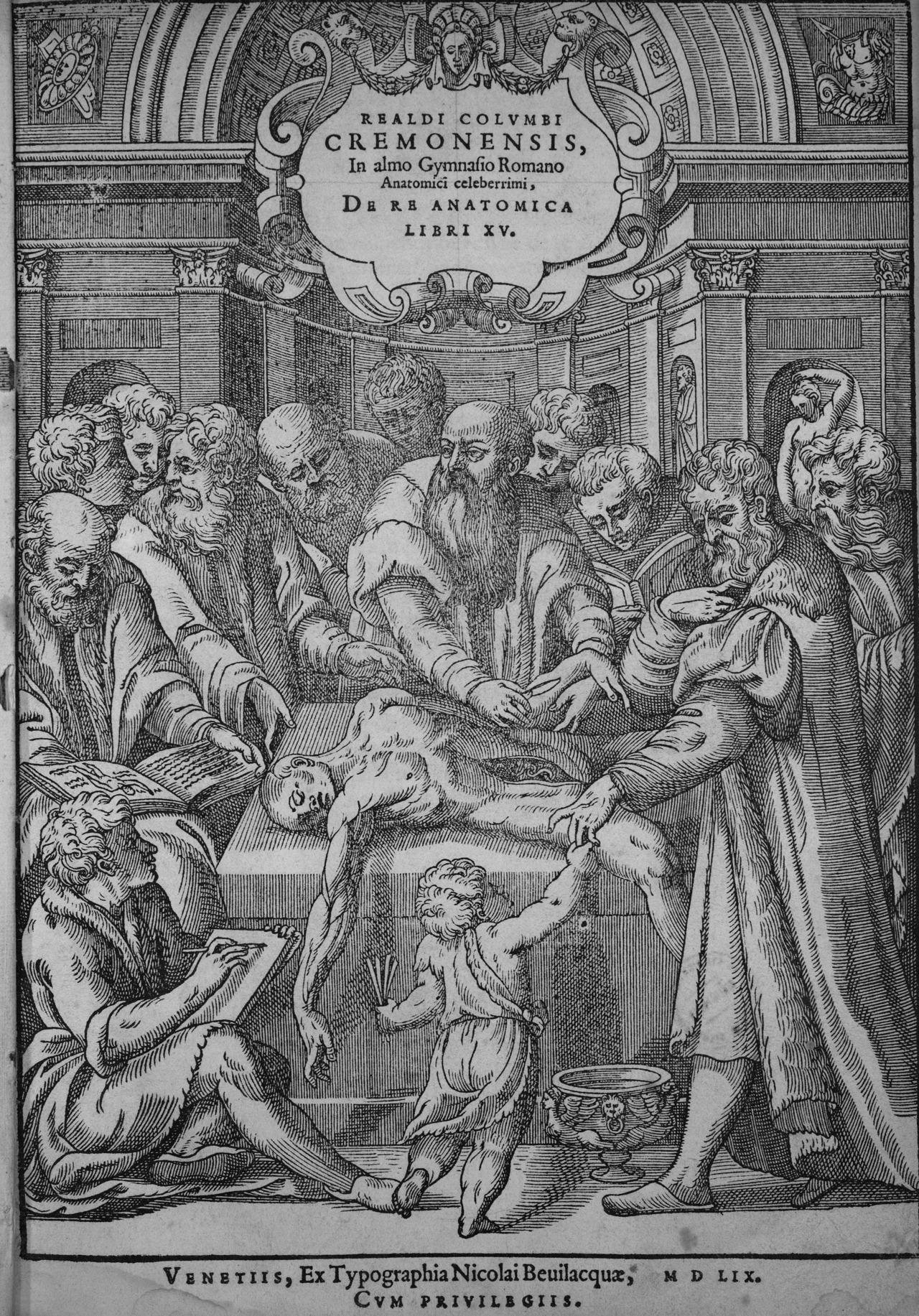
The Medical Renaissance changed how medicine was taught and practiced. Universities and medical schools incorporated dissection into curricula, anatomical theatres and public demonstrations became fixtures in some cities, and illustrated textbooks began to circulate widely. Surgeons and barber‑surgeons learned from anatomical studies, physicians refined diagnostic techniques, and pharmacists benefited from a better grasp of bodily systems. Case reports and clinical observation, increasingly recorded in writing, helped move medicine toward empirical methods.
Legacy and distinctions
Although not a single revolution, the Medical Renaissance marks a shift from reliance on authority to reliance on observation and experiment. It did not eliminate error or immediately produce modern germ theory or anaesthesia, but it established critical methods and anatomical knowledge that later investigators would build on. The era is notable for its combination of recovered classical scholarship and new practical investigation, a fusion that reshaped medical education, surgery and physiology for centuries to come.
Major developments (at a glance)
- Printing innovations enabled rapid dissemination of medical texts.
- Vesalius created the first widely read, illustrated modern anatomy.
- Systematic dissections corrected longstanding anatomical misconceptions.
- Harvey established the mechanical action of the heart and circulation.
- Collaboration among scientists and clinicians fostered incremental, evidence‑based advances.
For further reading on specific works, institutions and biographies from the period consult specialized bibliographies and university resources. Representative primary texts and modern analyses together illuminate how this long phase of reform bridged medieval practice and modern biomedical science.
Questions and answers
Q: What is the Medical Renaissance?
A: The Medical Renaissance is a period of progress in European medical knowledge that lasted from about 1400 to 1700 AD.
Q: What was the interest during the Medical Renaissance?
A: There was a new interest in the ideas of the ancient Greeks and Romans during the Medical Renaissance.
Q: What did doctors during the Medical Renaissance not understand at the beginning of the period?
A: Doctors during the Medical Renaissance did not understand anatomy and physiology at the beginning of the period.
Q: What helped scientists make progress during the Medical Renaissance?
A: The printing press made it possible for medical books to be mass-produced, which helped scientists make progress during the Medical Renaissance.
Q: Who published a detailed anatomy book in 1543 during the Medical Renaissance?
A: Andreas Vesalius published De humani corporis fabrica (“On the fabric of the human body”), a detailed anatomy book in 1543 during the Medical Renaissance.
Q: What did physicians learn by studying anatomy during the Medical Renaissance?
A: Physicians during the Medical Renaissance learned the positions of bones, muscles, and organs by studying anatomy.
Q: Who discovered that the heart pumps blood during the Medical Renaissance?
A: The Englishman William Harvey discovered that the heart pumps blood during the Medical Renaissance in 1628.
Related articles
Author
AlegsaOnline.com Medical Renaissance: Rebirth of Anatomy and the Foundations of Modern Medicine Leandro Alegsa
URL: https://en.alegsaonline.com/art/63415
Sources
- doi.org : 10.1080/13814780600940767
- worldcat.org : 1381-4788
- pubmed.ncbi.nlm.nih.gov : 16945876
- doi.org : 10.3109/08941939.2015.1054747
- worldcat.org : 0894-1939
- pubmed.ncbi.nlm.nih.gov : 26065591
- encyclopedia.farlex.com : Islamic medicine
- mmbr.asm.org : "Antony van Leeuwenhoek: tercentenary of his discovery of bacteria"
- ncbi.nlm.nih.gov : 413956
- pubmed.ncbi.nlm.nih.gov : 786250
- journals.royalsoc.ac.uk : "An abstract of a letter from Mr. Anthony Leevvenhoek at Delft, dated Sep. 17, 1683, Containing Some Microscopical Observations, about Animals in the Scurf of the Teeth, the Substance Call'd Worms in the Nose, the Cuticula Consisting of Scales"
- journals.royalsoc.ac.uk : "Part of a Letter from Mr Antony van Leeuwenhoek, concerning the Worms in Sheeps Livers, Gnats, and Animalcula in the Excrements of Frogs"
- journals.royalsoc.ac.uk : "Part of a Letter from Mr Antony van Leeuwenhoek, F. R. S. concerning Green Weeds Growing in Water, and Some Animalcula Found about Them"
- doi.org : 10.1098/rstl.1702.0042
- etymonline.com : "Etymology of the word "bacteria""