
Article Two of the United States Constitution: The Executive Branch
Article II establishes the presidency and the executive branch, defining powers, duties, election, succession, and relationships with Congress and the judiciary.
Article Two of the United States Constitution creates and describes the national executive. It vests executive power in a single chief executive, establishes a four‑year term, and provides the framework for election and succession. The office created by Article Two includes the President and, by extension, the Vice President. Over time the constitutional provisions in Article Two have been expanded and interpreted through amendments, statutes, and political practice.
Image gallery
10 Images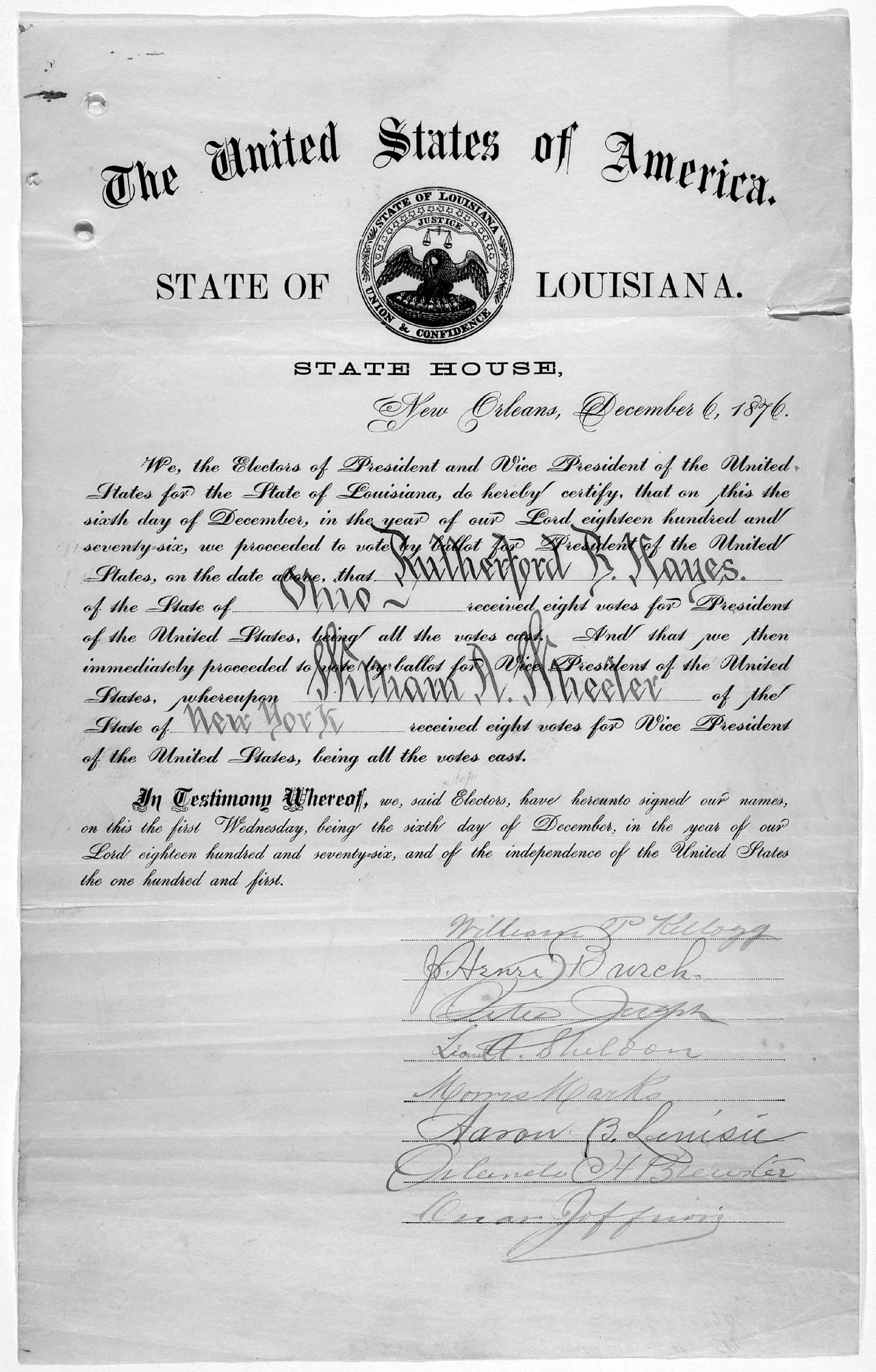




Key provisions and structure
The core clauses set out who holds the executive power and several basic duties. Article Two prescribes the method of selecting an executive via the Electoral College, although the procedure was modified by later amendments. It defines a presidential term, authorizes the President to give a periodic statement to the legislature, and requires the President to "take care" that laws are faithfully executed. The Constitution also establishes a process for impeachment and removal from office for serious misconduct.
Three later constitutional amendments significantly affected Article Two: the amendment that changed how electors vote to distinguish the President and Vice President; the amendment that adjusted the dates and succession of terms; and the amendment that clarifies presidential disability and succession. These alterations refined how the executive is chosen and how temporary or permanent inability is handled.
Powers and duties
- Commander-in-chief of the armed forces.
- Authority to make treaties with the advice and consent of the Senate.
- Power to nominate and, with Senate approval, appoint ambassadors, judges, and other principal officers.
- Ability to grant reprieves and pardons for federal offenses (except in cases of impeachment).
- Duty to receive foreign representatives and to ensure that laws are faithfully executed.
These constitutional powers are implemented in practice through instruments such as executive orders, directives, and the administration of federal departments. The President’s formal relationship to the legislature and judiciary is balanced by congressional powers (funding, legislation, oversight, advice and consent, and impeachment) and by judicial review.
Article Two does not enumerate every element of the modern executive. Many parts of the presidential support structure arose from statute and custom rather than the text itself: the advisory Cabinet, permanent executive departments, and numerous independent agencies. For example, the Department of State is a principal department that carries out foreign policy functions linked to powers the Constitution assigns the President; see the Department of State as an illustration of a constitutionally related executive department. Independent organizations such as intelligence agencies also operate under executive authority though their forms and oversight reflect later law.
Historically, Article Two has been a living part of the Constitution: its short text left space for growth in the scope and tools of the presidency. Debates about executive power, wartime authority, administrative regulation, and confidentiality continue to animate constitutional interpretation. In practice, Article Two remains central to American government because it defines the office that executes federal law, directs foreign policy, and commands the armed forces while operating within a system of checks and balances intended to prevent abuse.
Questions and answers
Q: Who is included in the executive branch of the United States government?
A: The executive branch includes the President; the Vice President; the Cabinet; executive departments, like the Department of State; independent agencies, like the Central Intelligence Agency (CIA); and other things like committees and commissions.
Q: What does Article Two of the United States Constitution create?
A: Article Two of the United States Constitution creates the executive branch of the United States government.
Q: What is an example of an independent agency within the executive branch?
A: An example of an independent agency within the executive branch is Central Intelligence Agency (CIA).
Q: Are there any other organizations or entities that are part of this branch?
A: Yes, there are other things such as committees and commissions that are also part of this branch.
Q: Is there a specific department for foreign affairs?
A: Yes, one example is Department of State which handles foreign affairs.
Q: Does this article cover all aspects related to governing powers in America?
A: No, Article Two only covers creating and organizing powers related to forming and managing an Executive Branch in America.
Tags
Related articles
Author
AlegsaOnline.com Article Two of the United States Constitution: The Executive Branch Leandro Alegsa
URL: https://en.alegsaonline.com/art/6338
Sources
- law.cornell.edu : "U.S. Constitution: Article II"
- heritage.org : "Essays on Article II: Executive Vesting Clause"
- archives.gov : "The Constitution of the United States: A Transcription"
- merriam-webster.com : Quorum.
- law.cornell.edu : "U.S. Constitution: 12th Amendment"
- law.cornell.edu : "U.S. Constitution: 25th Amendment"
- lib.law.washington.edu : "Popular Names of Constitutional Provisions"
- usa.gov : Order of Presidential Succession.
- memory.loc.gov : "Presidential Oaths of Office"
- caselaw.findlaw.com : "Youngstown Co. v. Sawyer (1952), No. 744 (Concurring Opinion)"
- libertyclassroom.com : "Presidential War Powers: The Constitutional Answer"
- mountvernon.org : "Cabinet Members"
- senate.gov : "Treaties"
- loc.gov : "Primary Documents in American History: Treaty of Alliance with France"
- supreme.justia.com : "Goldwater v. Carter, 444 U.S. 996 (1979)"