
Maya Calendrical System: Interlocking Ritual and Solar Cycles
Overview of the Maya calendrical system: how 260-day ritual and 365-day solar cycles interlock, plus the Long Count, their origins, uses in ceremony and agriculture, and modern legacy.
The Maya calendar is a set of interlocking calendars and ritual almanacs developed by the Maya people of pre-Columbian Mesoamerica. Elements of this calendrical system remain in use today among some Maya communities in the highlands of Guatemala.
Image gallery
10 Images


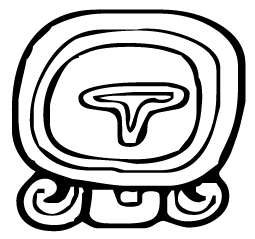


Structure and purpose
The system combines cycles of different lengths to schedule religious ceremonies, agricultural activities and to record historical dates. Two principal recurring counts are commonly described: a 260-day ritual cycle and a 365-day solar cycle. These interlock to produce a larger repeating pattern, and the Maya also used a linear count for tracking extended spans of time and dating events across centuries.
Origins and cultural context
Many components of the Maya calendrical practice were shared with other Mesoamerican societies. Earlier and neighboring cultures such as the Zapotec and the Olmec show related calendrical ideas, and later groups including the Mixtec and Aztec continued similar traditions. The basic Mesoamerican calendrical framework did not originate with the Maya, but they developed detailed refinements and mathematical expressions that made their version among the most elaborate.
Documentation and legacy
Because of extensive inscriptions, codices, and later colonial records, the Maya calendars are among the best-documented of the region. Scholars have reconstructed their structure and uses more completely than for many other ancient systems, allowing continued study and a revived cultural role in some modern Maya communities.
Questions and answers
Q: What is the Maya calendar?
A: The Maya calendar is a system of calendars and almanacs used in the Maya civilization of pre-Columbian Mesoamerica.
Q: Are there any modern communities that still use the Maya calendar?
A: Yes, some modern Maya communities in highland Guatemala still use the Maya calendar.
Q: Are there any similarities between the Maya calendar and calendars used by other Mesoamerican civilizations?
A: Yes, the Maya calendar shares many aspects with calendars employed by other earlier Mesoamerican civilizations, such as the Zapotec and Olmec, and contemporary or later ones such as the Mixtec and Aztec calendars.
Q: Did the Maya originate the Mesoamerican calendar?
A: No, the Mesoamerican calendar did not originate with the Maya.
Q: Were the Maya the only ones to refine and extend the Mesoamerican calendar?
A: No, although the Mesoamerican calendar did not originate with the Maya, their subsequent extensions and refinements of it were the most sophisticated.
Q: How well-documented are the Maya calendars?
A: Along with those of the Aztecs, the Maya calendars are the best-documented and most completely understood.
Q: Is the Maya calendar still widely used today?
A: No, the Maya calendar is not widely used today but it is still of historical and cultural significance.
Related articles
Author
AlegsaOnline.com Maya Calendrical System: Interlocking Ritual and Solar Cycles Leandro Alegsa
URL: https://en.alegsaonline.com/art/63087
Sources
- webexhibits.org : "The Mayan Calendar | Calendars"