
Arthur of the Britons (1972–73) — British television drama about post‑Roman Arthur
A 1972–73 British TV series that reimagines King Arthur as a leader negotiating among Britons and Saxons. Two series; noted for a low‑magic, realist approach and distinctive 1970s visual style.
Overview
Arthur of the Britons is a British television drama first shown in the early 1970s. Spread across two series broadcast between 1972 and 1973, it presents a version of the Arthur figure rooted in the unsettled world of post‑Roman Britain. Rather than a romantic, chivalric monarch, this Arthur is portrayed as a pragmatic tribal leader seeking to keep fragile peace and order in a landscape of competing peoples and warbands.
Image gallery
2 Images
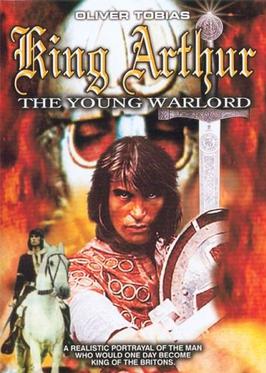
Setting and themes
The series emphasizes historical atmosphere over legend: stories are set in the Dark Ages after Roman authority has waned, and plots focus on political negotiation, frontier warfare and clan rivalries. Magic and courtly romance are downplayed in favor of diplomacy, strategy and the messy realities of coexisting peoples. The programme explores tensions between native Britons and incoming Saxon groups, and the compromises a leader must make to bridge cultural divides.
Style and characters
Visually and tonally the show reflects its production era. Principal characters were styled with a contemporary, 1970s aesthetic—frequently noted for looks that invoked popular music culture of the time—while the storytelling retained an action‑drama pace. The central figure draws on the long tradition of the King Arthur legend but is reframed as a warrior-chief and negotiator rather than a medieval king of legend.
Production and broadcast history
The programme was made for British regional television and was carried by various local branches of ITV. After its initial run in 1972–73 the series was repeated on several local stations through the 1970s and 1980s, helping it gain a modest cult following among viewers who appreciated its unusual blend of historical grit and 1970s style.
Notable aspects and legacy
- Realist reinterpretation: a deliberate move away from Arthurian fantasy toward political realism.
- Period reinterpretation: use of contemporary costume and hair styling to create a distinct visual identity.
- Regional reach: repeated local broadcasts on ITV channels kept the series in public view long after first transmission.
How it differs from other Arthurian adaptations
Unlike medieval‑set or mythic retellings, this series treats Arthur as a historical figure operating in a fluid, post‑imperial Britain. Its interest lies less in mystical objects or courtly chivalry and more in leadership, survival and negotiation among rival groups. For viewers and scholars interested in alternative Arthurian portrayals, it remains a clear example of a low‑fantasy, historically inflected approach to the legend.
For a general introduction to the wider Arthurian tradition, see King Arthur, and for information about regional British television during the period consult resources on ITV.
Questions and answers
Q: What is Arthur of the Britons?
A: Arthur of the Britons is a British television show about the historical King Arthur.
Q: When were the two series released?
A: The two series were released between 1972 and 1973.
Q: How does this King Arthur show greatness?
A: This King Arthur shows greatness by making peace between the two foremost peoples in the England of his era.
Q: What is the appearance of King Arthur and his brother-in-arms Kai like?
A: The looks of King Arthur and his brother-in-arms Kai are similar to contemporary rockstars.
Q: Was Arthur of the Britons broadcast widely?
A: Yes, Arthur of the Britons was broadcast repeatedly on many local ITV stations during the 1970s and 1980s.
Q: Are there any other adaptations of King Arthur's story?
A: Yes, there are several other adaptations of King Arthur's story in various forms of media.
Q: What time period does the show take place in?
A: The show takes place during the era of King Arthur in England.
Tags
Related articles
Author
AlegsaOnline.com Arthur of the Britons (1972–73) — British television drama about post‑Roman Arthur Leandro Alegsa
URL: https://en.alegsaonline.com/art/6301