
Max and Moritz — Wilhelm Busch's illustrated tale of seven pranks
Overview of Wilhelm Busch's Max and Moritz (1865): form in rhymed couplets with drawings, seven episodic pranks, moral ending, reception, adaptations and its role in the history of illustrated humour.
Max and Moritz (German: Max und Moritz) is an illustrated story in rhymed couplets by the German artist and writer Wilhelm Busch, first published in 1865. Combining laconic, often acerbic verse with simple pen-and-ink drawings, the work relates a sequence of seven mischievous pranks carried out by two schoolboys. The episodes are concise and tightly composed; each prank functions as a self-contained set piece while the pair's recurring behaviour provides continuity. For biographical context on the author, see Wilhelm Busch. For details of editions and publication, consult publication history.
Image gallery
9 Images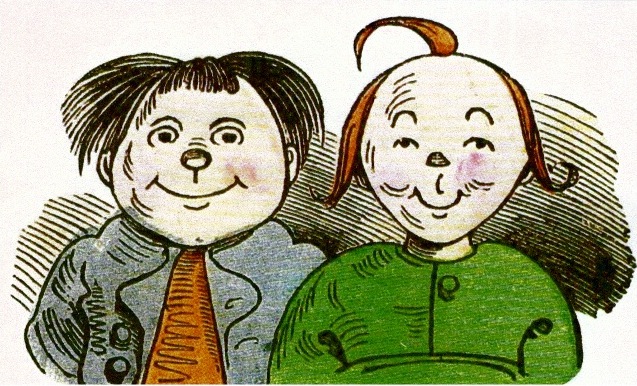




Form and style
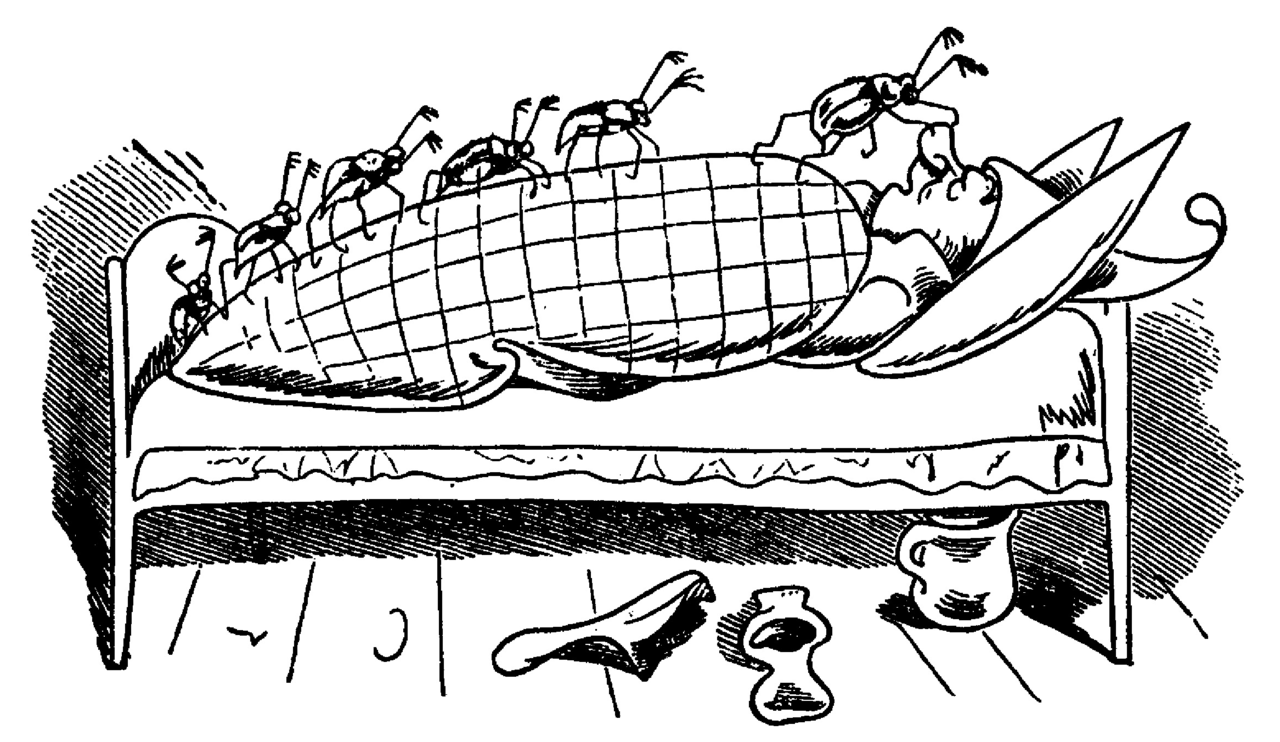
Busch's text uses short, rhymed couplets that move briskly from one event to the next. His ink drawings act not only as illustration but as an integral part of the narrative, punctuating lines and supplying facial expression, movement and visual humour. This close integration of image and verse is often cited as an important precursor to modern comics and sequential art. For scholarly commentary on the work's formal qualities, see critical commentary.
Plot outline and tone
The narrative consists of seven episodes in which Max and Moritz play tricks on various townspeople. The pranks increase in boldness and sometimes cruelty, targeting neighbours, tradespeople and authority figures. Busch mixes playful mischief with satirical edge: readers may admire the boys' ingenuity even as they are made aware of the harm their actions cause. In the moral climate of the 19th century, the sequence concludes with the boys being apprehended and punished; later readers and commentators have noted the severity of that final outcome. For discussion of the moral framing and how contemporary readers received it, see contextual analysis.
Themes and interpretations
Max and Moritz can be read on several levels: as rowdy children's entertainment, as a satire of small-town life and authority, and as a didactic fable that reflects period expectations about behaviour and consequence. Themes frequently noted by critics include the pleasure and danger of transgression, the ambiguous sympathy the narrator affords the protagonists, and the social order reasserted by the tale's ending. The book also raises questions about the relationship between humour and cruelty, a topic addressed in modern scholarship and criticism.
Reception, translations and adaptations
From its first publication Max and Moritz became widely known in German-speaking countries and has been translated many times. The story has been adapted for stage, puppetry and other media, and has been reissued in numerous illustrated editions. Its economy of line and timing attracted cartoonists and illustrators and it is often named in histories of illustrated humour and the early comic strip. A selection of known adaptations and critical editions is listed at adaptations and editions.
Legacy and modern perspectives
Wilhelm Busch's work influenced the development of visual storytelling: the coupling of brief text and sequential images in Max and Moritz is frequently cited as a forerunner of the comic strip. The story has entered cultural memory in various ways, appearing in school discussions, museum displays and popular references. Contemporary readers sometimes debate its suitability for very young children because of the story's harsh conclusion; this debate forms part of larger discussions about historical attitudes to didactic children's literature. See modern perspectives for recent viewpoints.
Further research
Those seeking primary texts, facsimiles of early editions or scholarly analysis can consult library catalogues and bibliographies that collect archival and critical material. Useful starting points and research tools are gathered at research resources. Max and Moritz remains an instructive example of 19th-century illustrated storytelling: its formal compactness, tonal complexity and long afterlife make it a frequent subject in courses on children's literature, illustration and the history of comics.
- Author: Wilhelm Busch (biography).
- First published: 1865 (publication history).
- Form: rhymed couplets paired with pen-and-ink drawings.
- Structure: seven episodic pranks, each self-contained.
- Legacy: influence on illustrated humour and early comics (critical overview, adaptations).
Questions and answers
Q: Who are Max and Moritz?
A: Max and Moritz are two naughty little boys in a story by Wilhelm Busch.
Q: When were the stories of Max and Moritz written?
A: The stories were written in 1865.
Q: Are the stories of Max and Moritz still popular today?
A: Yes, the stories of Max and Moritz are still extremely popular in Germany.
Q: What was Wilhelm Busch’s profession?
A: Wilhelm Busch was an artist as well as a writer.
Q: What type of stories did Wilhelm Busch write?
A: Wilhelm Busch wrote a lot of stories in rhyme and made drawings to go with them.
Q: How many stories are there about Max and Moritz?
A: There are seven stories (seven pranks) about Max and Moritz.
Q: What is the moral of the stories about Max and Moritz?
A: The stories about Max and Moritz are stories with a moral, emphasizing that bad behavior will be punished in the end.
Related articles
Author
AlegsaOnline.com Max and Moritz — Wilhelm Busch's illustrated tale of seven pranks Leandro Alegsa
URL: https://en.alegsaonline.com/art/62997