
Mato Grosso do Sul: geography, ecosystems, history and economy
An informative overview of Mato Grosso do Sul, a Brazilian state known for the Pantanal wetlands, its borders, history since the 1970s split, economy and cultural features.
Overview
Mato Grosso do Sul is a federal state in Brazil located in the country’s central-western region. Its name, literally "Southern Mato Grosso," reflects its origin as the southern portion of the larger Mato Grosso territory. The area became an administratively distinct state during the 1970s and today is known for a mix of wetlands, savanna and agricultural land. The state capital is Campo Grande, the main urban, political and service center for the region.
Image gallery
10 Images



Geography and borders
The state occupies a transitional zone between the Brazilian highlands and the low-lying Pantanal. It shares internal borders with several Brazilian states and international frontiers with neighboring countries. Key neighbors include:
- Mato Grosso to the north
- Goiás to the northeast
- Minas Gerais (at a corner) to the east
- São Paulo to the southeast
- Paraná to the south
To the west the state borders international neighbors: the countries of South America include Paraguay and Bolivia, which influence cross-border trade, culture and ecology.
Ecosystems and the Pantanal
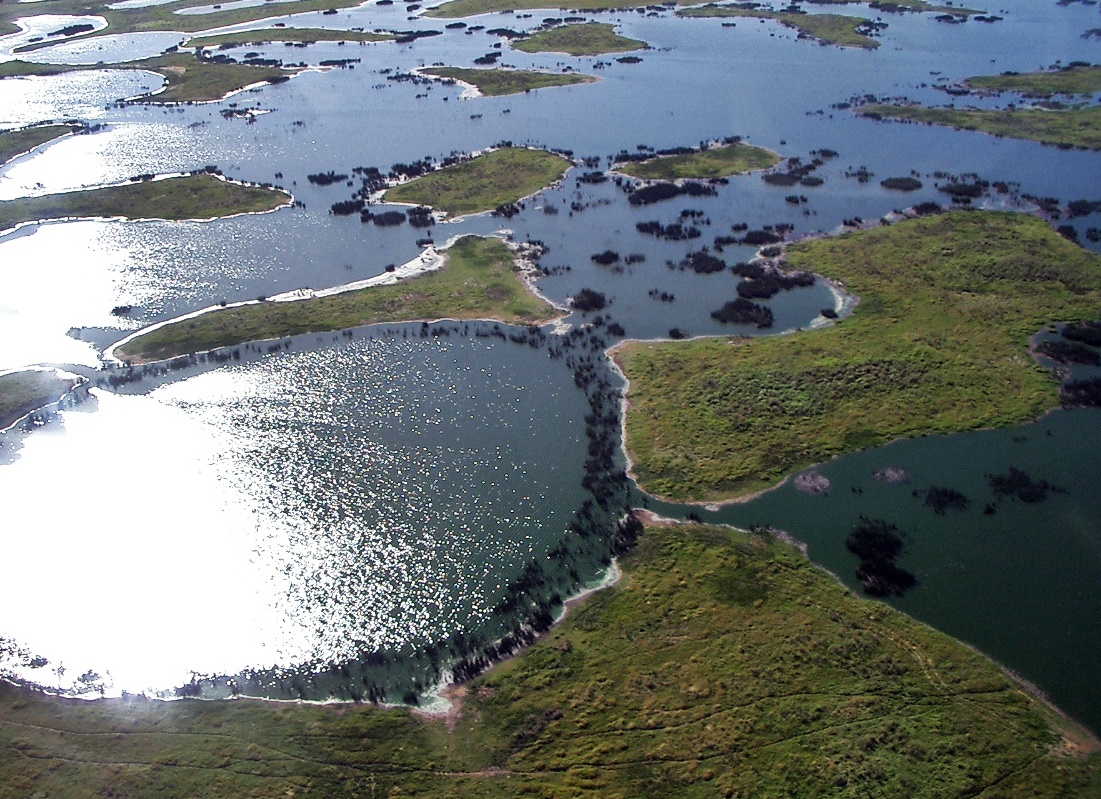
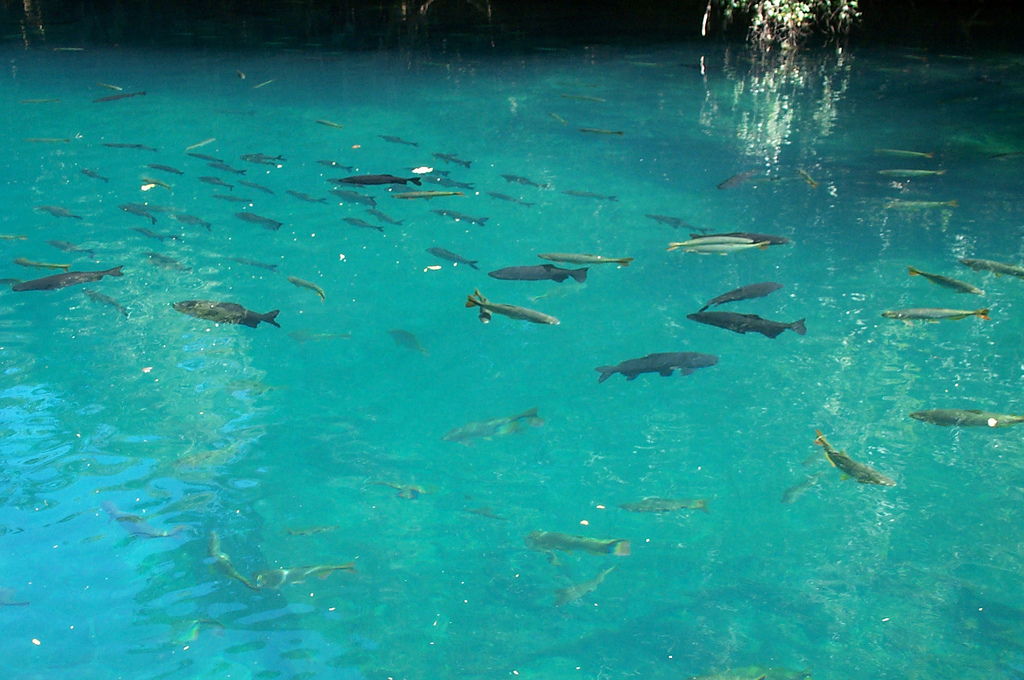
Mato Grosso do Sul contains part of the Pantanal, one of the world’s most extensive tropical wetland systems. The Pantanal supports high biodiversity and seasonal flooding cycles that sustain fish, waterbirds, mammals and a rich array of plant life. Beyond wetlands, the state also includes areas of cerrado (Brazilian savanna) and riparian forests, each with distinct vegetation and wildlife. The word "Pantanal" and its flooded landscapes are often used as a symbol for the state; proposals to rename the state after this feature have been discussed by local authorities in the past.
History and society
The region now forming Mato Grosso do Sul has long been inhabited by Indigenous peoples and later influenced by colonial expansion, frontier ranching and mission settlements. During the twentieth century agricultural expansion and population movements increased settlement in the area. The administrative split from the larger Mato Grosso in the 1970s created a separate political entity with its own state government and institutions. Urban centers such as Campo Grande serve as hubs for education, health and transportation.
Economy, land use and culture
The state's economy combines extensive cattle ranching, crop agriculture and growing services and tourism sectors. Agriculture and livestock production take advantage of the cerrado and frontier plains, while the Pantanal attracts nature tourism and research into wetland conservation. Cultural life reflects Indigenous, European and Paraguayan influences; local festivals, cuisine and crafts draw on this mixture. Administrative authorities and public debate have at times addressed the state's name and identity—some officials have mentioned alternatives such as referencing the Pantanal to emphasize ecological heritage and boost tourism.
Notable facts and practical information
Mato Grosso do Sul is often confused with its northern neighbor due to similarity of names; this causes occasional mislabeling in media and communications and has prompted discussions at the level of the state government. For maps and further regional data see general resources and regional portals: a state map and geographic overview can be found via official geographic sources, environmental information via portals on the Pantanal, and international conservation material referenced to the world's wetlands assessments and lists of the largest wetlands.
Further reading and tourism guidance are available through regional websites and travel services that cover borders, transportation and visitor safety; these often include cross-border routes into Paraguay and Bolivia and information on provincial links to neighboring Brazilian states such as Mato Grosso and São Paulo.
Questions and answers
Q: What is Mato Grosso do Sul?
A: Mato Grosso do Sul is one of the states of Brazil.
Q: Which states does Mato Grosso do Sul share its borders with?
A: Mato Grosso do Sul shares borders with the states of Mato Grosso, Goiás, Minas Gerais, São Paulo, and Paraná.
Q: Which countries border Mato Grosso do Sul to the west?
A: Mato Grosso do Sul borders the countries of Paraguay and Bolivia to the west.
Q: What is the capital of Mato Grosso do Sul?
A: The capital of Mato Grosso do Sul is Campo Grande.
Q: What does Mato Grosso do Sul mean?
A: Mato Grosso do Sul means "Southern Thick Forest."
Q: Where does the name Mato Grosso do Sul come from?
A: The name Mato Grosso do Sul comes from its northern neighbour state of Mato Grosso.
Q: What is the reason for considering changing Mato Grosso do Sul's name?
A: The government is considering changing Mato Grosso do Sul's name to "Pantanal," the world's largest wetlands which is in the state, because many people wrongly refer to it simply as "Mato Grosso."
Related articles
Author
AlegsaOnline.com Mato Grosso do Sul: geography, ecosystems, history and economy Leandro Alegsa
URL: https://en.alegsaonline.com/art/62841
Sources
- ibge.gov.br : ibge.gov.br/
- ramsar.org : "Pantanal in South America declared "Threatened Lake of the Year 2007""