
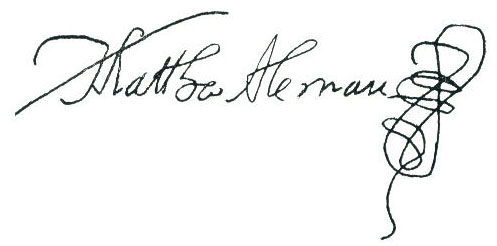
Mateo Alemán — Spanish novelist and author of Guzmán de Alfarache
Spanish Golden Age novelist (c.1547–c.1615), best known for the picaresque Guzmán de Alfarache and for a short treatise on Spanish orthography; active in Spain and later in Mexico.
Overview
Mateo Alemán (born c. 1547 in Seville, Spain) was a Spanish writer of the late 16th century, associated with the picaresque tradition. His most famous work is Guzmán de Alfarache, a novel combining street-level realism with moral reflection. Biographical records place his death around 1615, though some documents suggest he may have lived later.
Image gallery
4 Images

Life and education
Alemán received a humanist education typical of his time. He is recorded as graduating in 1564 from the university in Seville and later pursued further studies at Salamanca and Alcalá, institutions that shaped many Spanish authors of the Golden Age. From 1571 until 1588 he held a post in the royal treasury, a civil service position that gave him insight into urban administration and social conditions common to picaresque fiction.
Background and personal circumstances
His family background was part of the converso experience in Spain: Alemán descended from Jews who had been compelled to convert to Catholicism after 1492. Sources note that one ancestor suffered execution by the Inquisition for secretly maintaining Jewish practices, a fact that influenced how contemporaries and later readers contextualized his life. In 1571 he married Catalina de Espinosa; the marriage is described in documentary evidence as difficult, and Alemán struggled repeatedly with debt, which led to imprisonment for debt in Seville around the end of 1602.
Guzmán de Alfarache and literary significance
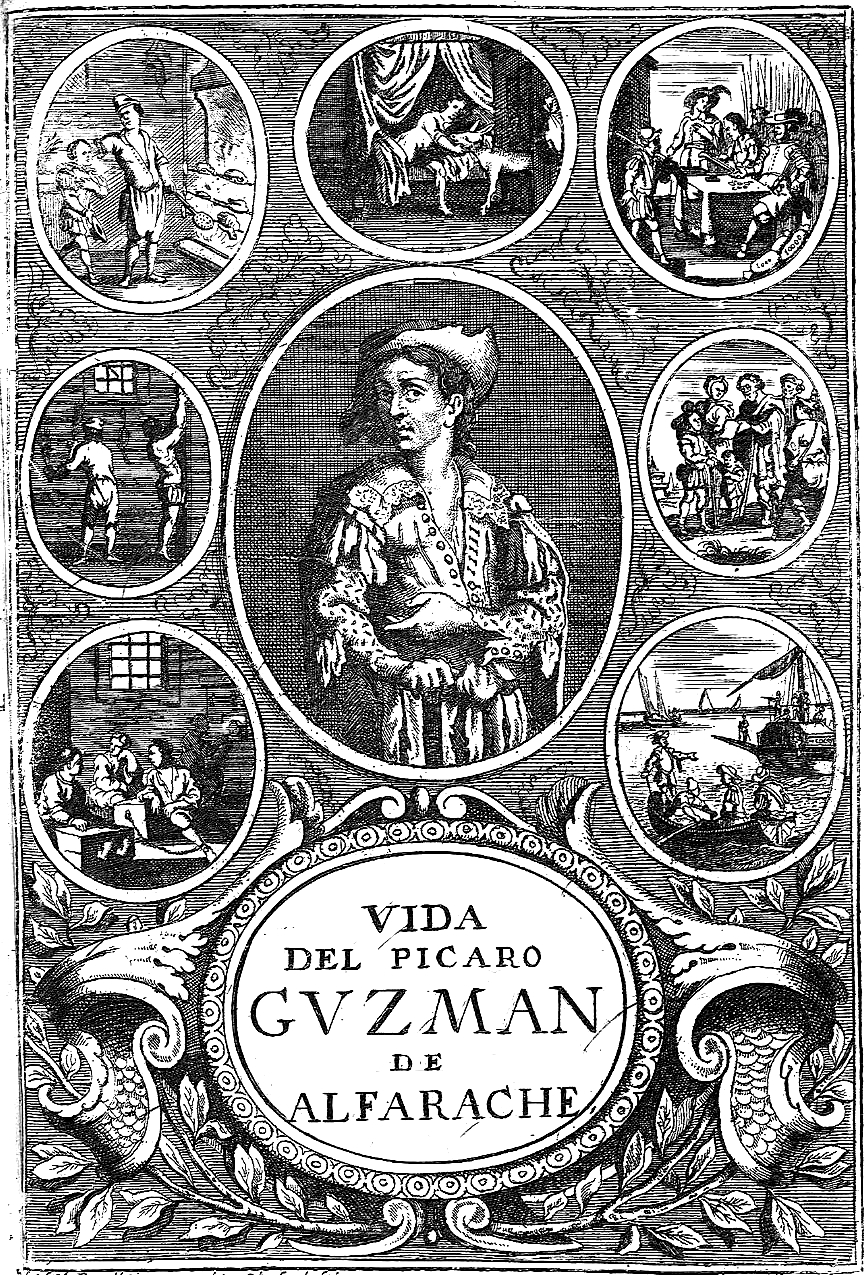
In 1599 Alemán published the first part of Guzmán de Alfarache. The book became widely popular and was reprinted many times in the following years, attracting readers with its frank depiction of roguish life and its moral and didactic commentary. The work is now regarded as a central example of the picaresque novel: it blends episodic adventure, social observation, and direct address to the reader. Critics note its mix of irony and ethical admonition and its influence on both Spanish prose fiction and European readers of the 17th century.
Later years: America, printing and orthography
After continued financial troubles and legal difficulties, Alemán left Spain and in 1608 traveled to the Americas. Contemporary reports place him in New Spain, where he is said to have worked as a printer in Mexico. While there he published Ortografía castellana (1609), a short work proposing reforms to Spanish spelling and pronunciation conventions; the book shows his interest in language and public instruction. After this publication little reliable information is available about his final years, though some documents refer to him as alive after 1609 and a few sources mention the year 1617 as a possible later date of activity.
Works, influence and notable facts
Beyond the first part of Guzmán and Ortografía castellana, Alemán prepared a second part of Guzmán which appeared after the success of the first and completed the protagonist's tale. His writing influenced subsequent novelists and contributed to the broader European interest in roguish protagonists and social satire. Modern scholarship examines Alemán for both literary innovation and the ways his life—converso background, bureaucratic service, debt and emigration—shaped his outlook.
- Key works: Guzmán de Alfarache (part i), second part (later editions) and Ortografía castellana.
- Dates and records: birth c. 1547, university graduation 1564, treasury post from 1571 to 1588, imprisonment documented around 1602.
- Family and background: converso descent (family history, forced conversion and an ancestor executed by the Inquisition).
- Later life in America: move in 1608 to New Spain, activities in Mexico including printing and publishing ideas on orthography.
Further reading and placeholders
The following placeholders represent documentary traces and later references associated with Alemán's life and works:
- Seville reference
- General Spanish context
- Birth year document
- Traditional death date
- Mexico (New Spain) references
- Writer and literary role
- University detail
- Graduation year
- Salamanca and Alcalá studies
- Marriage and date markers
- Treasury service end
- Treasury post
- Converso ancestry
- Conversion context
- Inquisition case
- 1599 publication
- Reception and editions
- Financial difficulties
- Imprisonment for debt
- Imprisonment date
- Departure to America
- Settlement in New Spain
- Orthographic proposals
- Mexico publication (1609)
- Possible later date (1617)
Questions and answers
Q: Who was Mateo Alemán?
A: Mateo Alemán was a Spanish writer who graduated from Seville University in 1564 and later studied at Salamanca and Alcalá. He held a post in the treasury from 1571 to 1588.
Q: What is known about his ancestry?
A: Mateo Alemán's ancestors were Jews who were forced to convert to Catholicism after 1492, and one of his forebears had been burned by the Inquisition for secretly continuing to practice Judaism.
Q: When did he publish Guzmán de Alfarache?
A: He published the first part of Guzmán de Alfarache in 1599, which became very popular and was printed in at least sixteen editions within five years.
Q: Who did he marry?
A: In 1571, he married Catalina de Espinosa. However, it was not a happy marriage due to his constant money difficulties.
Q: Where did he move in 1608?
A: In 1608, Alemán moved to America where it is said that he worked as a printer in Mexico.
Q: What book did he publish while living there?
A: While living in Mexico, Alemán published Ortografía castellana (1609), which contained ideas for the reform of Spanish spelling.
Q: Is anything known about him after 1609?
A: Nothing is known of Alemán after 1609 but it is sometimes believed that he was still alive as late as 1617.
Related articles
Author
AlegsaOnline.com Mateo Alemán — Spanish novelist and author of Guzmán de Alfarache Leandro Alegsa
URL: https://en.alegsaonline.com/art/62788