
Massacres of the Foibe: wartime killings and their legacy
Summary of the Foibe massacres: context in WWII, the nature of foibe killings in Istria, Venezia Giulia and Dalmatia, historical debate, aftermath and memory including the Italian National Memorial Day.
The Massacres of the Foibe refer to killings that took place in parts of the eastern Adriatic Littoral during and immediately after World War II, most notably in Istria, Venezia Giulia and Dalmatia. The name derives from foibe, deep karst sinkholes in which many victims' bodies were thrown. These events occurred in two main phases: during and after the collapse of Fascist Italy following the armistice of 8 September 1943 (armistice of 1943), and again around the end of the war when Yugoslav partisan forces under Josip Broz Tito advanced into the area (Tito).
Image gallery
10 Images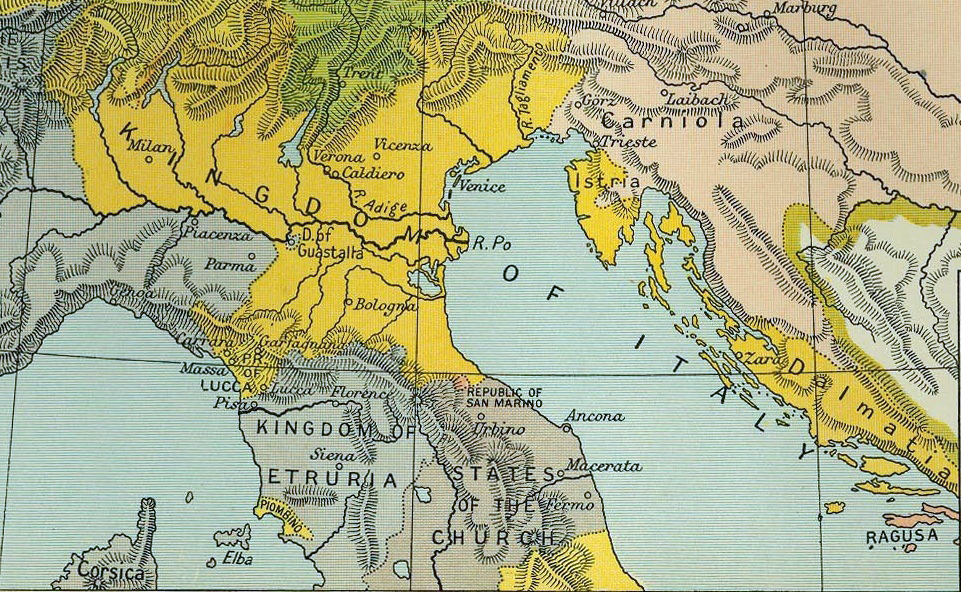
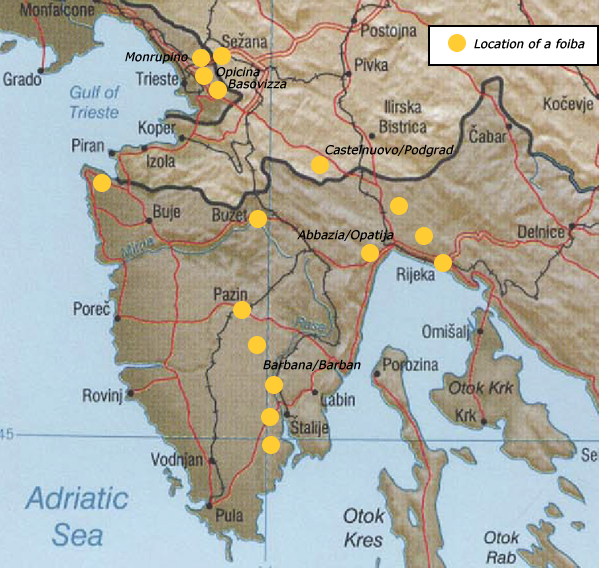


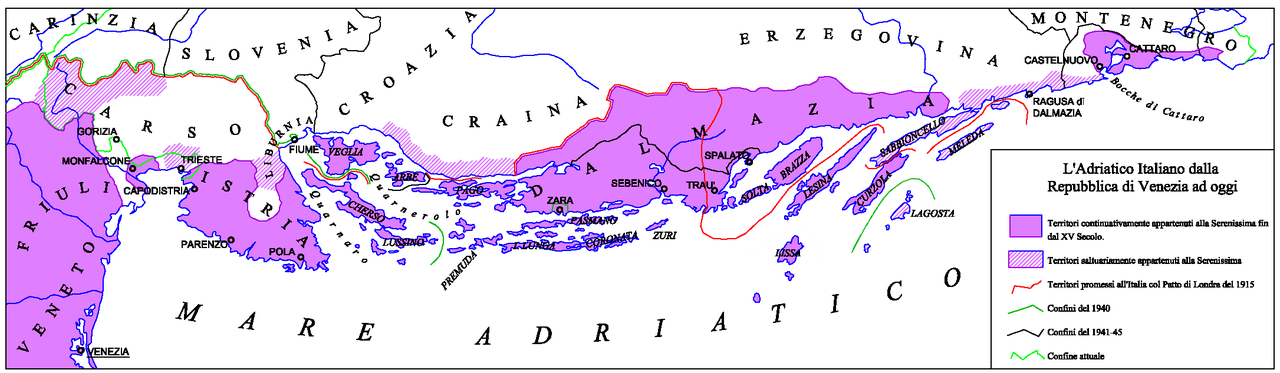


What happened and where
Victims included ethnic Italians, suspected fascists or collaborators, anti-communists, and civilians caught in local reprisals. The violence was concentrated in regions now partly within modern Slovenia and Croatia, historically known as Venezia Giulia (Venezia Giulia), Istria (Istria) and Dalmatia (Dalmatia). Perpetrators are generally associated with Yugoslav partisans and local armed groups; motivations cited by scholars vary and include revenge for years of occupation and repression, political purging, and elements of nationalist conflict.
Characteristics and contested figures
Foibe massacres are characterized by summary executions, disposal of bodies in natural sinkholes, and in some cases burial or disappearance without public record. Estimates of total victims differ widely; historians continue to debate precise numbers and intent. Some scholars and commentators describe the events as part of a broader, planned ethnic cleansing (ethnic cleansing) of Italians from the region, while others emphasize a mixture of local revenge, wartime violence and postwar political violence.
Aftermath, exodus and memory
In the months and years after the war a large portion of the Italian-speaking population left the area in what is known as the Istrian–Dalmatian exodus. The subject remained politically sensitive during the Cold War and shaped Italian–Yugoslav relations. In Italy the events are commemorated by the National Memorial Day of the Exiles and the Foibe (National Memorial Day), a day of remembrance that recognizes victims and displaced communities.
Historical debate and today
The Foibe massacres are part of a complex historical landscape that includes fascist-era violence, wartime occupation, resistance movements, and postwar border changes. Scholarly work has sought to place the killings in this wider context, to clarify numbers and responsibilities, and to understand how memory and politics have shaped public perceptions. Ongoing research, archival access and comparative studies continue to refine our understanding.
- Overview of sites and geological term: foiba = karst sinkhole.
- Key regions affected: Venezia Giulia, Istria, Dalmatia.
- Important reference points: Italian armistice, partisan advances under Tito, debates over ethnic cleansing.
Because of political sensitivities and differing source material, reliable accounts emphasize careful weighing of archival evidence and survivor testimony. For further contextual reading consult academic histories and primary-source collections on wartime Italy and Yugoslavia (Istria resources, Dalmatia resources, commemorative documentation).
Questions and answers
Q: What are the Massacres of Foibe?
A: The Massacres of Foibe are mass killings in which the majority of victims were ethnic Italians in 1943 and 1945.
Q: When did the Massacres of Foibe occur?
A: The Massacres of Foibe occurred in 1943 and 1945.
Q: Who were the victims of the Massacres of Foibe?
A: The majority of the victims of the Massacres of Foibe were ethnic Italians.
Q: What was the cause of the violence in the Massacres of Foibe?
A: Historians have claimed that the violence and consequent Italian Istrian-Dalmatian exodus was a planned ethnic cleansing.
Q: Who was commanding the Yugoslav partisans during the Massacres of Foibe?
A: The Yugoslav partisans were under the command of Tito during the Massacres of Foibe.
Q: What is the National Memorial Day of the Exiles and Foibe?
A: The National Memorial Day of the Exiles and Foibe is an Italian celebration in memory of the victims of the Massacres of Foibe.
Q: Which regions were occupied by the Yugoslav partisans during the Massacres of Foibe?
A: The Yugoslav partisans occupied parts of Venezia Giulia, Istria and Dalmatia during the Massacres of Foibe.
Related articles
Author
AlegsaOnline.com Massacres of the Foibe: wartime killings and their legacy Leandro Alegsa
URL: https://en.alegsaonline.com/art/62693
Sources
- books.google.com : The Frontiers of Europe
- books.google.com : History in Exile: Memory and Identity at the Borders of the Balkans
- lefoibe.it : Article in Italian
- ilgiornale.it : Article of il Giornale
- books.google.com : Foibe
- adnkronos.com : adnkronos article
- leganazionale.it : Article in Italian pertinent Slav communist criminals
- lefoibe.it : Article in Italian pertinent criminals of PCI or Partito Comunista Italiano
- digilander.libero.it : "Elenco delle foibe note"
- nytimes.com : In Trieste, Investigation of Brutal Era Is Blocked NYT April 20, 1997
- digilander.libero.it : Article in Italian pertinent charge
- kozina.com : Slovene-Italian Relations 1880-1956 Report 2000
- kozina.com : Relazioni Italo-Slovene 1880-1956 Relazione 2000
- kozina.com : Slovensko-italijanski odnosi 1880-1956 Poročilo 2000