
Mary Anna Custis Lee
Wife of Confederate general Robert E. Lee, mistress of Arlington House, and guardian of a prominent American family legacy during the 19th century.
Mary Anna Randolph Custis Lee (1 October 1808 – 5 November 1873) is best known as the wife of the Confederate Army military officer Robert E. Lee. Born into the Custis family of Virginia, she played a central role in maintaining the household, historic collections, and social life of Arlington House, the family's estate.
Image gallery
10 Images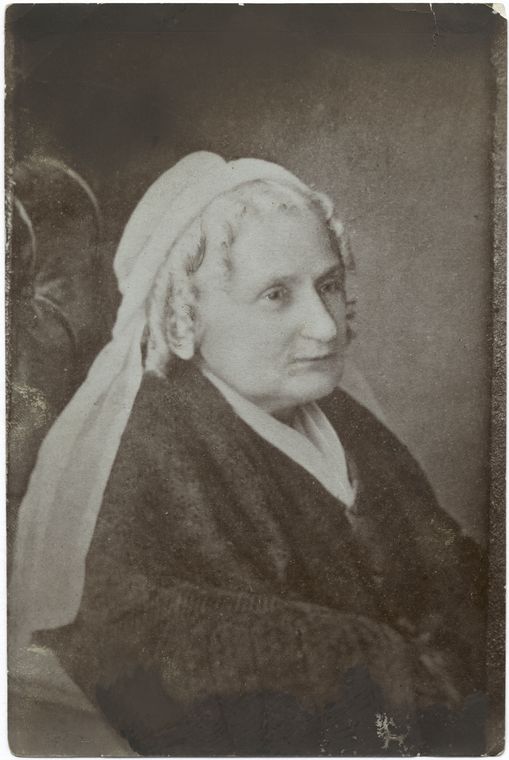




Family background and early life
Mary Anna was the daughter of George Washington Parke Custis and Mary Lee Fitzhugh. Her father, raised in the Washington household, curated relics and papers associated with the first President. Growing up at Arlington, she absorbed a strong sense of family history and Virginian social responsibilities.
Marriage and children
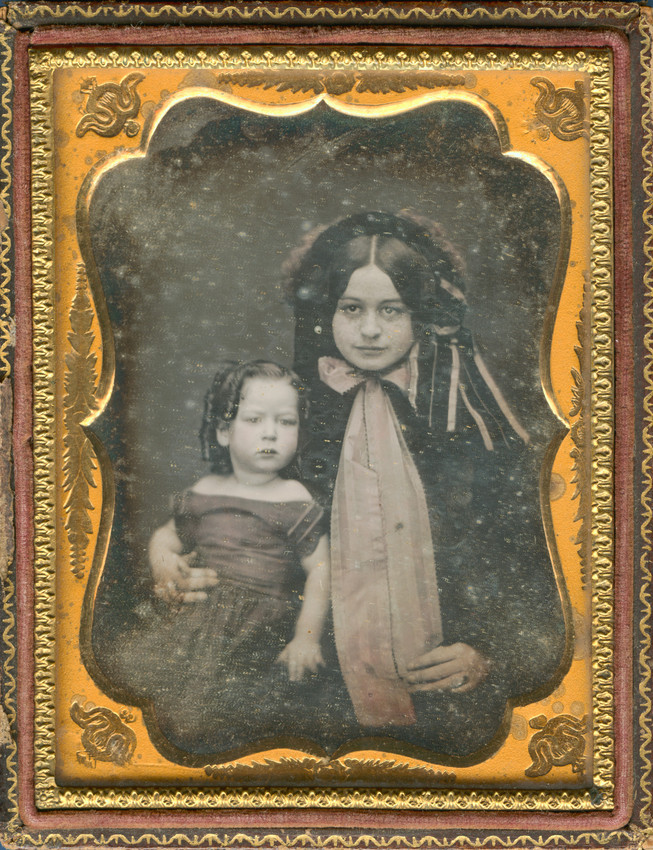
She and Robert E. Lee married in 1831 at her parents' home and had seven children. As a military wife and mother, she balanced long absences with managing the estate and raising the family; the Lees' domestic life reflected the customs of the southern gentry of the era.
Civil War and its consequences
When the American Civil War broke out the family left Arlington; Union occupation transformed much of the estate into a military cemetery. The loss of Arlington and disruption of family life marked a difficult period for Mary Anna, who continued to be identified with the household she sought to preserve.
Characteristics and legacy
Described by contemporaries as devoted to family memory and to the stewardship of heirlooms, Mary Anna worked to protect the Custis- and Washington-era collections. She was also related by blood to her husband as a third cousin, a not uncommon fact among Virginia families of the period.
Notable facts
- She maintained Arlington House as the family seat and repository for historic items.
- Her life illustrates the intersections of family, memory, and national conflict in 19th-century America.
- After the war the family's loss of Arlington became a symbol of the social and material costs of the conflict.
Mary Anna Custis Lee died in 1873, surviving her husband by a few years. Her role as a guardian of family heritage and as a prominent figure in Virginia society has made her a recurrent subject in studies of the Civil War era and historic preservation.
Questions and answers
Q: Who was Mary Anna Custis Lee?
A: Mary Anna Custis Lee was the wife of Confederate Army military officer Robert E. Lee.
Q: Was Mary Anna Custis Lee related to Robert E. Lee?
A: Yes, she was his third cousin.
Q: Where did Mary Anna Custis Lee and Robert E. Lee get married?
A: They got married at her parents' home.
Q: How many children did Mary Anna Custis Lee have with Robert E. Lee?
A: They had seven children together.
Q: What was Robert E. Lee's profession?
A: Robert E. Lee was a Confederate Army military officer.
Q: When was Mary Anna Custis Lee born and when did she die?
A: Mary Anna Custis Lee was born on 1 October 1808 and died on 5 November 1873.
Q: What was Mary Anna Custis Lee's middle name?
A: Mary Anna Custis Lee's middle name was Randolph.
Related articles
Author
AlegsaOnline.com Mary Anna Custis Lee Leandro Alegsa
URL: https://en.alegsaonline.com/art/62458