
Martin (Maerten) van Heemskerck: Dutch Renaissance painter and draftsman
Overview of Maerten van Heemskerck (1498–1574), his training, Roman studies, major paintings and prints, and his influence on Northern Renaissance art and antiquarian drawing.
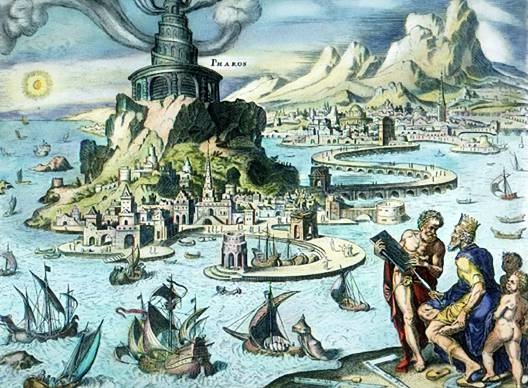
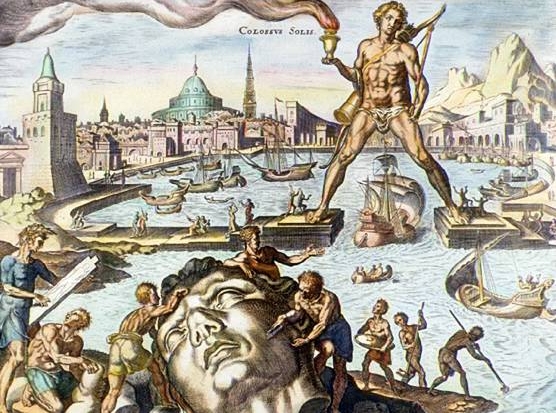
Maerten (Martin) van Heemskerck (1 June 1498 – 1 October 1574) was a leading Dutch painter and draftsman of the 16th century, known for religious altarpieces, portraiture and a prolific output of prints and drawings. He earned particular renown for a widely circulated series of coloured engravings depicting the Seven Wonders of the World. Working mainly from his base in Haarlem, his career bridged northern Gothic traditions and the influence of Italian High Renaissance models; he helped introduce monumental figural types and classical motifs into Dutch art and produced important topographical records of ancient Rome.
Image gallery
10 Images


Early life and training
Heemskerck was born in the village of Heemskerk near Haarlem into a farming family. Early apprenticeship records indicate he studied with local masters in Haarlem before leaving home to pursue a painter's career. According to period accounts he travelled to Delft in his youth to find further instruction and later worked in Haarlem in the circle of Jan van Scorel. A significant early influence was the painter Jan Mabuse, who had returned to the north after travels in Italy and exposure to artistic developments in Florence and Venice. Heemskerck assimilated elements of their handling—clear draftsmanship, expressive figures and greater attention to classical sources—while retaining a northern sensibility for color and devotional content.
Rome, antiquarian interests and prints
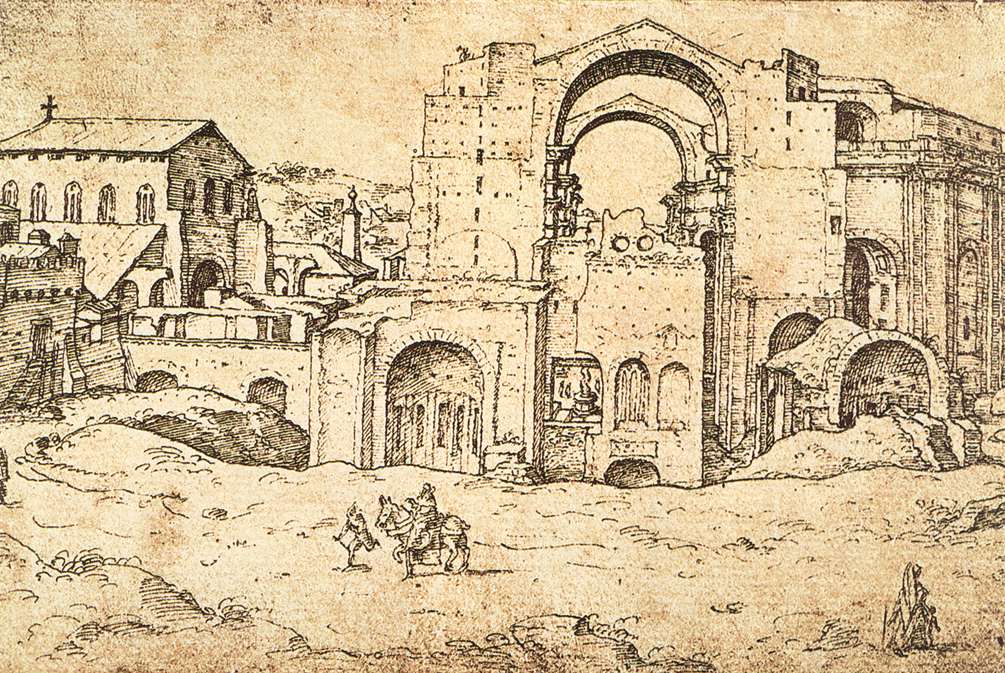
In the early 1530s Heemskerck travelled to Rome, where he spent several years studying ancient ruins and contemporary monumental painting. He produced numerous landscape and architectural studies recording the remains of ancient Roman monuments; his sketchbooks are now prized documentary sources and are preserved in a Berlin collection (Berlin). Among the structures he drew was the unfinished St. Peter's Basilica, and his drawings helped disseminate knowledge of Roman antiquities to northern patrons and artists.
The impact of Italian art on Heemskerck was sharpened by admiration for Michelangelo, primarily celebrated as a sculptor and for his painted ceiling of the Sistine Chapel. Heemskerck studied Michelangelo’s monumental figures and incorporated robust, sculptural anatomy into his own compositions. He translated many of these ideas into print form: besides images of ancient wonders he designed allegorical and mythological series such as his suite of strong men, which circulated widely as engravings made from metal plates.
Public commissions and collaborative projects
While in Rome Heemskerck also worked on large-scale public decorations. He was employed as a scene-painter and designer for ceremonial architecture when the emperor Charles V visited and the city staged triumphal entries and processions. Such work—related to theatrical scenery and ephemeral festival architecture—connected him with architects and painters including Antonio da San Gallo and others, and drew praise from contemporary writers. The biographer Giorgio Vasari noted the compositional vigour of narrative and battle scenes that Heemskerck produced for these events.
Return to the Netherlands and later life
Heemskerck returned to Haarlem and established a successful workshop, producing altarpieces, portraits and designs for prints while training assistants. He married and later became a prominent civic figure; in the 1540s he held office within the local painters’ guild and acquired considerable wealth. During the upheavals of the Eighty Years' War he briefly left Haarlem in 1572 for Amsterdam when the city was threatened by the Spanish siege. In his will he made provision for unusual local customs: funds to be paid to a bridal couple for a wedding at his tomb (a ceremony intended to benefit the dead) and land bequests to support an orphanage. He died in Haarlem in 1574.
Major works, themes and surviving locations
Heemskerck's oeuvre includes altarpieces, devotional panels, portraits and an extensive body of drawings and prints. Works attributed to his early period—before his Italian sojourn—include scenes such as "Adam and Eve" and "St. Luke Painting the Madonna and Child." Later decades saw ambitious altarpieces and narrative cycles depicting lives of saints such as Saint Bernard and Saint Benedict, as well as secular and mythological subjects, often populated by muscular, animated figures drawn from his Roman studies.
- Notable paintings and ensembles appear in museums and churches across the Low Countries and beyond; individual pieces are recorded in collections at Ghent and elsewhere in Belgium.
- Major altarpieces and panels by Heemskerck can be found in city collections in Brussels, Delft and Haarlem, reflecting his local significance and patronage.
- His series of prints and reproductive engravings helped to spread his ideas and images across northern Europe and influenced younger artists who combined Italianate forms with northern detail.
Heemskerck is remembered both for his paintings and for his role as a mediator between Italian Renaissance ideals and northern art practices. His topographical drawings of Rome and engraved series of classical subjects remain valuable for art historians and antiquarians, while his altarpieces and devotional paintings continue to be studied for their expressive power and robust figuration.
Further reading and institutional catalogues provide more detailed inventories of his paintings, prints and drawings; for digital and library references consult specialized art-historical databases and museum catalogues that document Heemskerck’s workshop and the circulation of his prints.
References to contemporary places and people cited in this article: portrait and religious painter, theatre, Italy, Florence, Venice, Rome, ancient Roman, Berlin, St. Peter's Basilica, Michelangelo, sculptor, Sistine Chapel, Charles V, Vasari, Amsterdam, Spanish, tomb custom, orphanage, Ghent, Belgium, Brussels.
Questions and answers
Q: When was Marten van Heemskerck born?
A: Marten van Heemskerck was born on June 1, 1498.
Q: What did his father do for a living?
A: His father was a farmer.
Q: Where did he travel to in 1532?
A: In 1532, Marten van Heemskerck traveled to Italy.
Q: What city had the most influence on him during his travels?
A: Rome had the most influence on him during his travels.
Q: Who was the famous artist alive at this time that he admired?
A: The famous artist alive at this time that he admired was Michelangelo.
Q: What type of work did he get when he arrived in Rome in 1536?
A: When he arrived in Rome in 1536, Marten van Heemskerck got work as a scene-painter.
Q: What custom did he leave behind when he died?
A:When Marten van Heemskerck died, he left behind a custom where money would be paid to a bridal couple who would get married on his tomb; it was believed that this would bring peace to the dead person.
Related articles
Author
AlegsaOnline.com Martin (Maerten) van Heemskerck: Dutch Renaissance painter and draftsman Leandro Alegsa
URL: https://en.alegsaonline.com/art/62392
Sources
- encyclopedia.jrank.org : here