
Marriage proposal: customs, history, and modern practices
An overview of marriage proposals: what they are, traditional customs, cultural variations, modern trends, etiquette and common formats, including engagement terminology and notable variations.
Overview
A marriage proposal is the moment when one person in a committed relationship asks another to marry them and begin a formal period of engagement. Proposals mark the transition from dating or partnership into an intention to marry and are often followed by announcements, celebrations and planning for a wedding. People in an engaged couple are commonly referred to as a fiancé (male) and fiancée (female), though modern usage also embraces gender-neutral language.
Image gallery
2 Images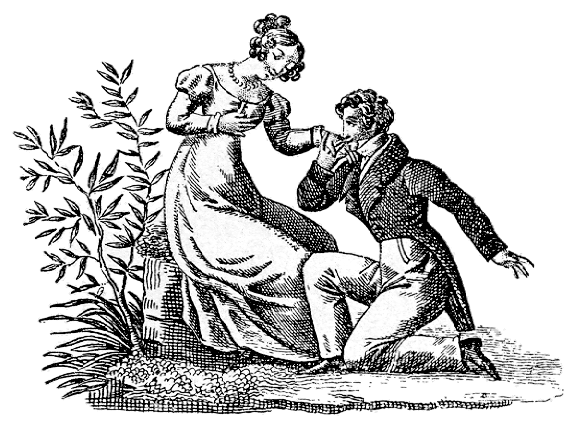

Typical elements and symbols
Many proposals include particular symbols or gestures that signal commitment. Common elements are a verbal question (for example, the conventional phrasing "Will you marry me?"), the offering of a ring or token, and a ceremonial posture such as kneeling. Rings—often diamond engagement rings in some cultures—serve as a public sign of intent and are frequently discussed during planning. Proposals may be intimate or elaborate, private or staged for an audience, and sometimes documented by photography or video.
Historical and cultural background
Practices around proposals have deep roots in social, legal and economic traditions. In many societies arranged marriages were negotiated by families rather than initiated by personal romantic proposals; a suitor asking a family elder for permission has been a widespread custom. In Western contexts it was historically common for a man to ask a woman's father for permission; today many couples choose to decide together and then inform or seek the parents' blessing rather than formal consent. Customs vary widely across regions and religious communities.
Modern trends and variations
Contemporary proposals reflect changing gender roles and social norms. Same-sex couples, women proposing to men, and mutually agreed engagements are increasingly visible. For example, in the United States a small percentage of proposals are initiated by women, and public, surprise, and highly creative proposals staged at events or on social media have become common. Some proposals are interactive or part of a scavenger hunt; others are quiet conversations between partners. Many couples now discuss marriage openly beforehand and coordinate the proposal to match shared values.
Etiquette, planning and legal aspects
Etiquette around proposals varies. Typical considerations include whether to involve family, whether to seek parental approval or a blessing, how to choose or design a ring, and when to make the proposal relative to life events. Engagement itself has limited legal effect in many jurisdictions, serving primarily as a social contract rather than a binding legal status; however, in some legal systems engagement may influence claims in property or promises. When planning a proposal, clear communication about finances, expectations and timing can prevent misunderstandings.
Practical tips and notable distinctions
- Decide whether the proposal should be private or public and consider your partner's personality.
- Discuss or be aware of important cultural and family traditions—some couples choose to involve elders or ask for a blessing.
- Recognize terminology: "engagement" denotes the agreed intention to marry, while "fiancé/fiancée" identifies the engaged partners.
- Be mindful of consent: a proposal should leave space for an honest response without pressure.
Proposals are a social ritual that combine personal meaning with cultural forms. They can range from the simple and private to elaborate public performances; regardless of style, the central element is the mutual agreement to enter into marriage.
Questions and answers
Q: What is a marriage proposal?
A: A marriage proposal is when one person in a relationship asks the other person to marry them.
Q: What happens if the other person agrees to the proposal?
A: If the other person agrees to the proposal, this marks the start of the couple's engagement.
Q: What is a person in an engaged couple called?
A: A person in an engaged couple is called "fiance" (male) or "fiancee" (female).
Q: What is the traditional way to propose in Western culture?
A: In Western culture, it is traditional for the person proposing to be down on one bent knee, and a traditional proposal might be worded "Will you marry me?"
Q: In many cultures, who does a man have to ask permission from to marry a woman?
A: In many cultures, it is traditional for a man to ask a woman's father for permission to marry her.
Q: What happens if the father says no to the proposal?
A: If the father says no, it could be because he thought the man was not right for his daughter or he didn't want him as a son-in-law.
Q: How common is it for women to perform proposals in the United States?
A: In the United States, about 5% of proposals are performed by women.
Related articles
Author
AlegsaOnline.com Marriage proposal: customs, history, and modern practices Leandro Alegsa
URL: https://en.alegsaonline.com/art/62226
Sources
- cbsnews.com : "Why Don't Women Propose to Men"