
Acanthuroidei
Acanthuroidei is a group of perciform fishes that includes surgeonfishes, moorish idols, luvars and relatives; reef-associated, laterally compressed, ecologically important grazers and omnivores.
Acanthuroidei is a suborder of largely marine fishes traditionally placed within the diverse order Perciformes. Members are best known for their laterally compressed, vertically oriented bodies and for several striking reef-associated groups such as the surgeonfishes and the moorish idol. They play important ecological roles on tropical and subtropical reefs and include both common aquarium species and commercially taken fishes.
Image gallery
7 Images

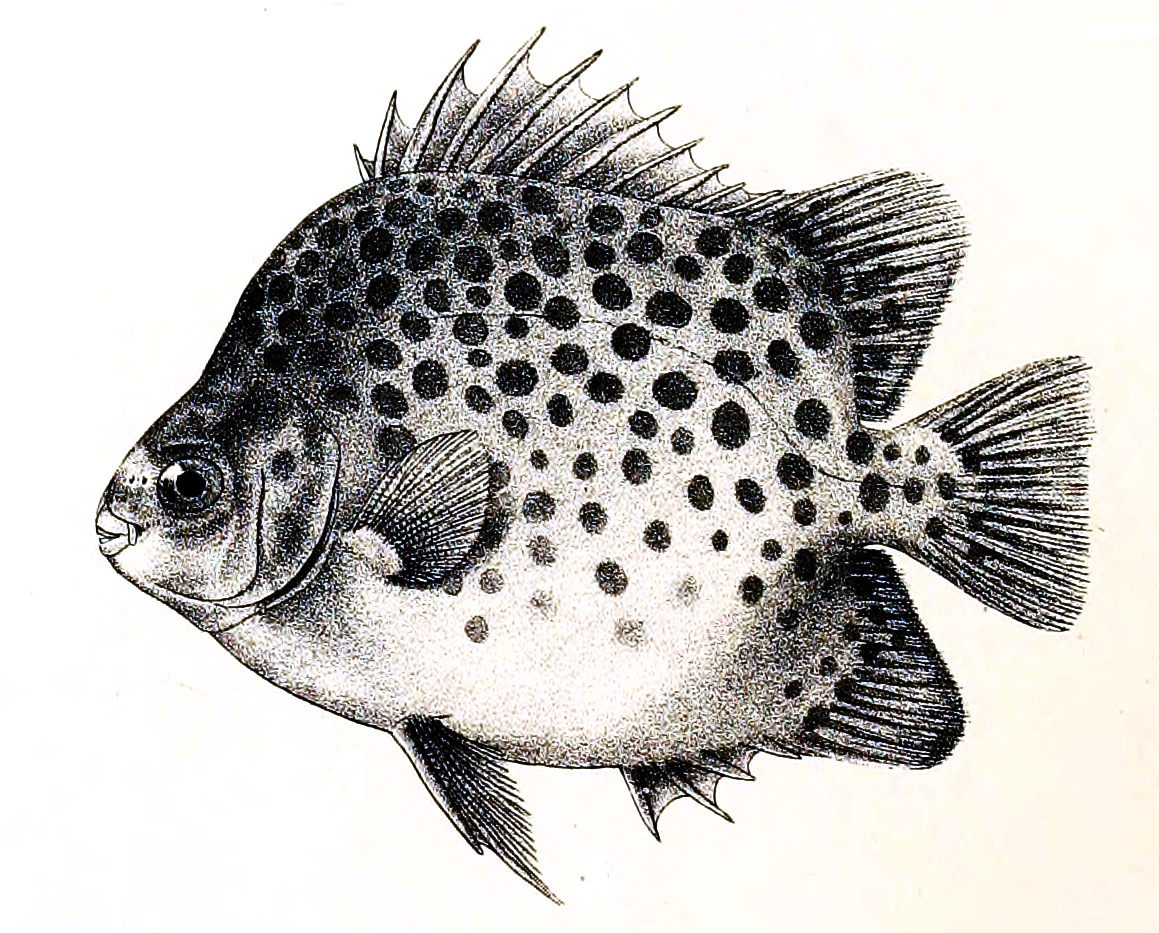


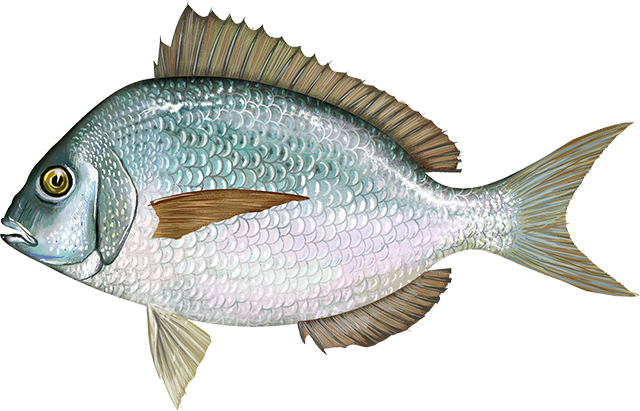
Physical characteristics
Species assigned to Acanthuroidei typically have small, closely set scales and bodies that are deeper than long, giving a tall, narrow profile. Many have continuous or closely linked dorsal and anal fins and a variety of tail shapes, from truncate to lunate. A distinctive feature of the surgeonfishes (family Acanthuridae) is the movable, scalpel-like spine on each side of the caudal peduncle used in defense. Mouth and teeth morphology varies according to diet, from comb-like teeth for scraping algae to more generalized dentitions in omnivorous forms.
Principal families
- Acanthuridae — surgeonfishes, tangs and unicornfishes; important algal grazers on reefs.
- Zanclidae — the moorish idol (represented by Zanclus cornutus), a distinctive reef species.
- Luvaridae — the luvar (Luvarus imperialis), an uncommon open-water species.
- Ephippidae — spadefishes and batfishes, laterally compressed and often reef-associated.
- Drepaneidae — sicklefishes, with deep bodies and moderately elongated fins.
- Scatophagidae — scats, often estuarine or coastal and tolerant of variable salinity.
- Monodactylidae — moonyfishes, laterally compressed and sometimes kept in aquaria.
Overall the suborder contains several dozen to a few hundred described species distributed across these families; exact composition has been revised repeatedly as molecular studies refine relationships.
Most acanthuroideans inhabit shallow coastal waters, coral reefs and adjacent seagrass or rocky areas in tropical and subtropical oceans. Some families include species that use estuaries and brackish habitats. Diets span strict herbivory (important for controlling algal growth), omnivory and planktivory, so members contribute to multiple trophic pathways on reefs and in coastal food webs.
Taxonomically, Acanthuroidei has a complex history. The name derives from Greek akantha (“thorn” or “spine”) and oura (“tail”), a reference to the caudal spines of surgeonfishes. Recent phylogenetic work has sometimes treated the group at different ranks or redistributed families between orders, reflecting ongoing revision of percomorph relationships. For a traditional overview within Perciformes see Perciformes.
Questions and answers
Q: What is Acanthuroidei?
A: Acanthuroidei is a suborder of Perciformes, which is the largest order of fishes.
Q: What is the body shape of members of the Acanthuroidei suborder?
A: Members of the Acanthuroidei suborder have a vertically-shaped body.
Q: What kind of scales do members of the Acanthuroidei suborder have?
A: Members of the Acanthuroidei suborder have small scales covering their body.
Q: What is the origin of the name "Acanthuroidei"?
A: The name "Acanthuroidei" comes from the "Acanthuridae" family of surgeonfish. It is derived from the Greek words "akantha" and "oura", which mean "thorn" and "tail".
Q: What is the significance of the "Acanththuridae" family in Acanthuroidei?
A: The "Acanthuridae" family of surgeonfish is the family from which the name "Acanthuroidei" suborder is derived.
Q: What is the meaning of the Greek words "akantha" and "oura"?
A: The Greek words "akantha" and "oura" loosely translate to "thorn" and "tail", respectively.
Q: What is the relationship between Acanthuroidei and Perciformes?
A: Acanthuroidei is a suborder of Perciformes, which is the largest order of fishes.
Related articles
Author
AlegsaOnline.com Acanthuroidei Leandro Alegsa
URL: https://en.alegsaonline.com/art/620
Sources
- commons.wikimedia.org : Acanthuroidei
- strata.ummp.lsa.umich.edu : "A compendium of fossil marine animal genera"
- fishbase.org : "Acanthuroidei and Acanthuridae in [[FishBase]]"