
Surgeonfishes and Tangs (Acanthuridae): Reef Grazers with Blade-like Caudal Spines
Surgeonfishes and tangs (Acanthuridae): reef fishes notable for blade-like caudal spines, vivid colors, and important algal-grazing roles that help maintain coral reef health.
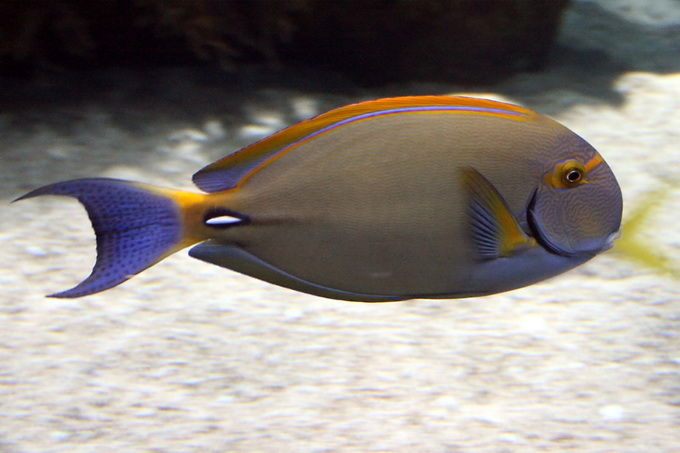
Acanthuridae is the taxonomic family that includes the fishes commonly called surgeonfish, tangs and unicornfish. Members of this group are best known for a sharp, blade-like spine on each side of the tail region and for many species’ bright colors and streamlined bodies.
Image gallery
10 Images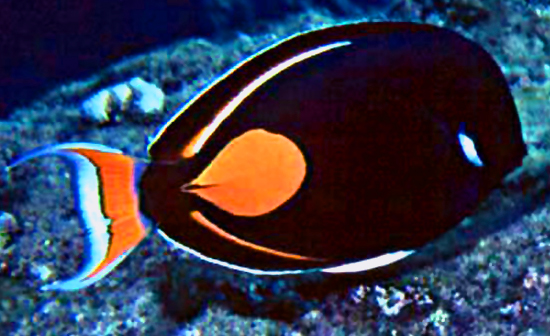




Description
Individuals in this family are laterally compressed and often display vivid patterns and hues. A distinctive feature is a movable, scalpel-like spine located on the caudal peduncle; this structure can be used in defense or during fights between conspecifics. Some species, known as unicornfishes, develop a horn-like protuberance on the forehead. Sizes range from small to moderately large depending on the species.
Distribution and habitat
Acanthurids are marine fishes found mainly in tropical and subtropical seas around the world. They are especially common around coral reefs, where many species graze on algal growths on rock and coral surfaces, although some occur over rocky reefs or in seagrass beds.
Diet and behaviour
Many surgeonfishes are primarily herbivorous, cropping algae and helping to control algal cover on reefs; others have more varied diets that include detritus or small invertebrates. Reproductive behaviour varies, but numerous species release eggs and sperm into the water column and produce planktonic larvae that disperse with currents.
In captivity
Because of their striking appearance, several acanthurids are sought after for aquaria. Successful care usually requires large tanks, appropriate grazing foods, and attention to water quality—some species are highly active or territorial and are not suited to small home aquariums.
Taxonomy and role on reefs
- The family contains a number of genera and roughly eighty to ninety living species, depending on the source and recent revisions.
- As herbivores and omnivores, surgeonfishes play an important ecological role by grazing algae and contributing to reef health and resilience.
Questions and answers
Q: What is Acanthuridae?
A: Acanthuridae is a family of marine fish that includes surgeonfish, tangs, and unicornfish.
Q: How many living species are there in the Acanthuridae family?
A: There are about 86 living species in the Acanthuridae family.
Q: What type of environment do Acanthuridae fish live in?
A: Acanthuridae fish live in tropical seas, usually around coral reefs.
Q: Are Acanthuridae fish brightly colored?
A: Yes, many of the species in the Acanthuridae family are brightly colored.
Q: Are Acanthuridae fish popular for aquaria?
A: Yes, many of the species in the Acanthuridae family are popular for aquaria.
Q: What is a characteristic of the Acanthuridae family?
A: One characteristic of the Acanthuridae family is that they have spines on their tail, also known as "thorn tail".
Q: Is the Acanthuridae family exclusively marine?
A: Yes, the Acanthuridae family is exclusively marine, living only in saltwater environments.
Tags
Related articles
Author
AlegsaOnline.com Surgeonfishes and Tangs (Acanthuridae): Reef Grazers with Blade-like Caudal Spines Leandro Alegsa
URL: https://en.alegsaonline.com/art/619
Sources
- research.calacademy.org : "Research for Acanthuridae"
- fishbase.org : fishbase.org/Summary/FamilySummary.php?Family=Acanthuridae
- commons.wikimedia.org : Acanthuridae