
Arsène Lupin: the Gentleman Thief and Cultural Icon
Arsène Lupin is a fictional French gentleman thief created by Maurice Leblanc in the early 20th century. The character appears in novels, short stories and many adaptations and influenced crime fiction worldwide.
Arsène Lupin is a fictional figure created by French writer Maurice Leblanc who first appeared in print in the early 1900s. Portrayed as a charismatic, clever and urbane burglar, Lupin quickly became a popular protagonist in a sequence of short stories and novels. His debut episode, often cited as L'Arrestation d'Arsène Lupin, introduced readers to a thief who blends audacity and elegance. As a fictional character, he occupies a distinctive place between criminal antihero and social bandit, admired by some characters and pursued by others.
Image gallery
3 Images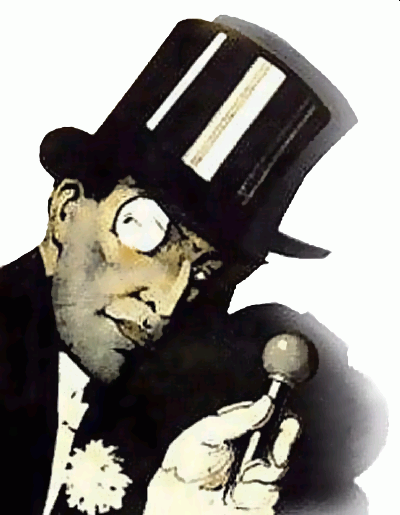


Characteristics and recurring traits
- Master of disguise: Lupin regularly adopts false identities to infiltrate houses, social circles, and institutions.
- Intelligence and ingenuity: his plots rely more on planning and theatrical flair than on brute force.
- Code of honor: though a thief, he often targets corrupt or wealthy victims and displays courtesy toward women and the powerless.
- Romantic patriot: narratives sometimes stress Lupin's affection for France and a more complex moral outlook than simple criminality, a theme described as patriotic in some stories.
- Public persona: the press within the stories alternately vilifies and glamorizes him, making Lupin a symbol of challenge to authority and celebrity culture.
These features made Lupin both a popular entertainment figure and a model for the "gentleman thief" archetype. Readers encounter him as audacious, resourceful, sometimes romantic, and often respectful of social conventions despite his criminal calls to action. The character's depiction emphasizes wit, theatricality and an ability to remain several steps ahead of pursuers labeled by Leblanc as determined but fallible, including detectives inspired by contemporary crime fiction.
Publication history and literary context
Leblanc introduced Lupin in a series of magazine pieces that expanded into collections and full-length novels during the early 20th century. The stories blend crime, adventure and light social satire and draw on popular serial traditions. One recurring playful rivalry in the tales involves a detective figure modeled on the famous sleuths of the era; legal and cultural pressures led Leblanc to parody such figures under altered names rather than use them directly. Over time, the Lupin corpus grew to include many episodes in which the character's background, motives and exploits vary according to the needs of each tale.
Adaptations and cultural legacy
- Film, television and theater: Lupin has been adapted repeatedly for stage and screen, from early cinema to recent televised reinterpretations.
- Books and comics: translations and graphic adaptations have kept the stories in circulation beyond French-speaking audiences.
- Thematic influence: Lupin shaped later portrayals of thieves who act with style and principle, influencing fictional figures worldwide.
- Notable revivals: modern works that draw on Lupin's reputation have reintroduced the character to new generations and international viewers.
In recent years, contemporary retellings and series have reimagined Lupin's themes for modern contexts, reinforcing his status as a flexible cultural symbol. Critics and fans study the stories for their wit, social commentary and inventive plotting, while adaptations explore the tension between glamour and criminality. Whether read as escapist entertainment, social critique or a formative source for detective and crime fiction, Arsène Lupin endures as a major figure of French popular literature and a recognizable archetype worldwide. For further background and editions, see resources on Leblanc's works and critical studies of early 20th-century crime fiction via reference collections and specialized bibliographies available online and in libraries.
Additional reading and media entries may be found through catalogues and curated guides; for modern filmed reinterpretations consult listings for television dramas and cinematic adaptations, including contemporary series that explicitly acknowledge Lupin's legacy in their themes and protagonists. For comparative studies of literary detectives and gentleman thieves, see commentary linking Lupin to similar figures in European fiction and to the shifting moral landscape of popular narratives in the decades after his creation. Romantic intrigue, patriotic episodes and witty confrontations with law-enforcement remain hallmarks of stories featuring this enduring figure; scholars and readers continue to explore how his contradictory roles—criminal and hero—reflect changing social attitudes.
For primary texts, historical notes, and critical essays, consult collections dedicated to Maurice Leblanc and to early modern crime fiction; many editions and translations present annotated versions useful to both casual readers and researchers. Further resources and archival materials are indexed in literary databases and specialized film and theater catalogues: see curated entries under Maurice Leblanc, dramatic adaptations at theater and film guides, and bibliographies of novels and stories for more detailed study.
Questions and answers
Q: Who is Arsène Lupin?
A: Arsène Lupin is a French fictional character from a book series of crime fiction novels written by Maurice Leblanc.
Q: When did Arsène Lupin make his debut?
A: Arsène Lupin made his debut in July of 1905 in his first series, L'Arrestation d'Arsène Lupin (English: Arsène Lupin arrested).
Q: What is the reputation of Arsène Lupin?
A: Arsène Lupin's reputation is controversial. He earns the rage or fury of police officers who keep missing him on the scene of robbery, but at the same time, admiration from citizens who love to check up on the newspapers to see if there's any article about his great robberies.
Q: How is Arsène Lupin portrayed in the novels?
A: Arsène Lupin is portrayed as patriotic, romantic, audacious, self-respecting, and respectful to women.
Q: Who wrote the book series about Arsène Lupin?
A: The book series about Arsène Lupin was written by French writer Maurice Leblanc.
Q: In what other adaptations has Arsène Lupin appeared besides the book series?
A: Arsène Lupin has appeared in a number of adaptations, including movies, television shows, stage plays, and comic books.
Q: What is the genre of the book series about Arsène Lupin?
A: The book series about Arsène Lupin is a crime fiction novel.
Related articles
Author
AlegsaOnline.com Arsène Lupin: the Gentleman Thief and Cultural Icon Leandro Alegsa
URL: https://en.alegsaonline.com/art/6184