
Marcus Oliphant (Australian physicist and researcher)
Overview of Sir Marcus Oliphant, an Australian experimental physicist who helped demonstrate nuclear fusion, contributed to wartime nuclear research, and promoted science policy and education.
Marcus Laurence Elwin Oliphant (1901–2000) was an Australian experimental physicist whose laboratory work and public service influenced 20th‑century physics and research policy. Trained in the British research tradition, Oliphant is best known for early experiments that demonstrated nuclear fusion in the laboratory and for his involvement in wartime atomic research. He later worked to build scientific institutions and to promote science education in Australia.
Image gallery
10 Images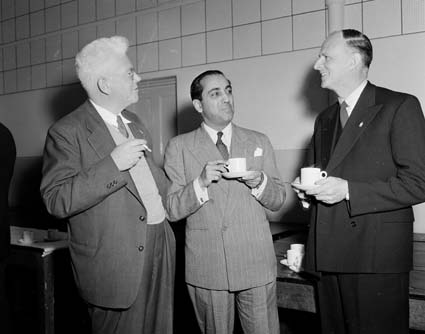


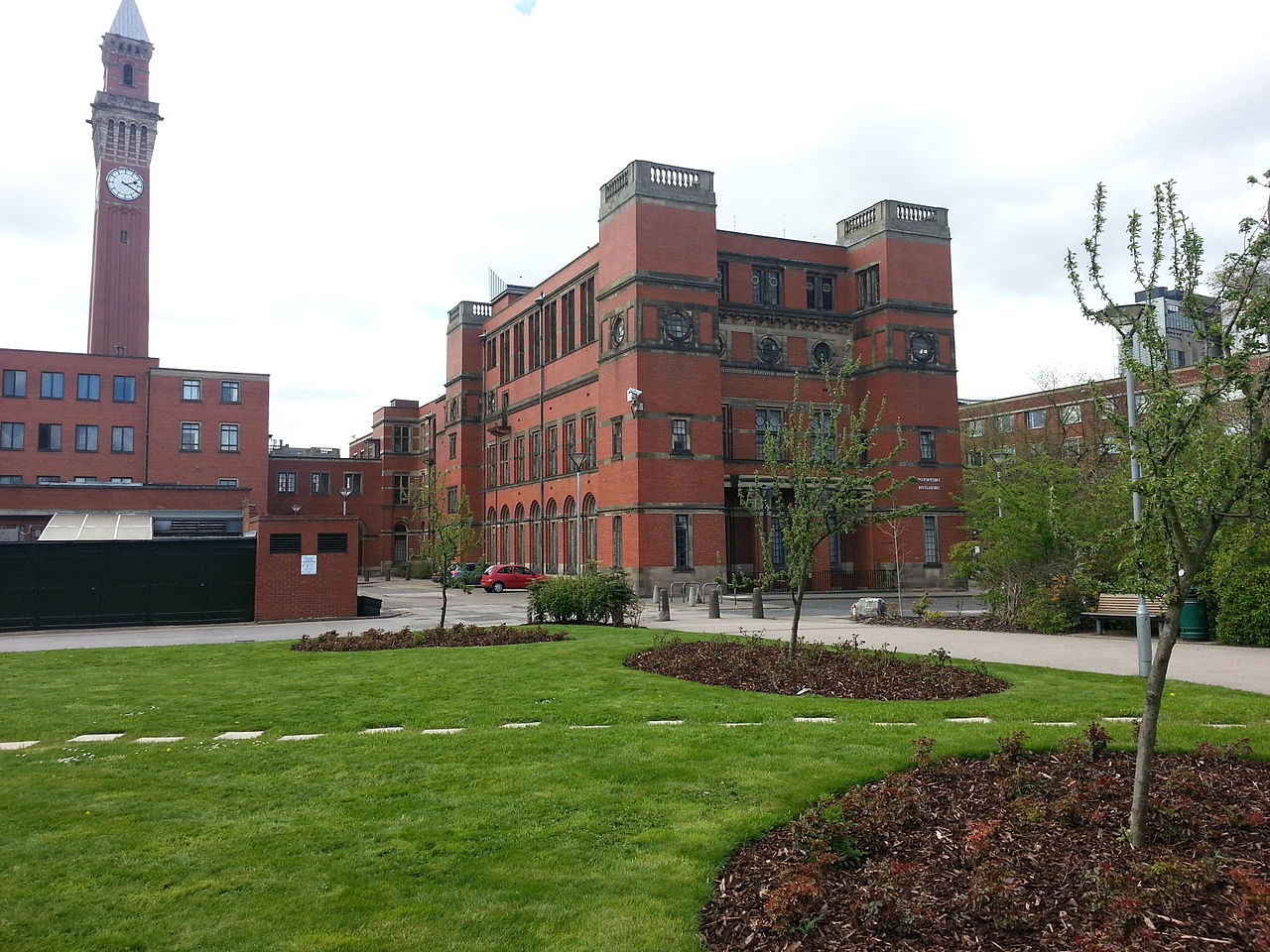


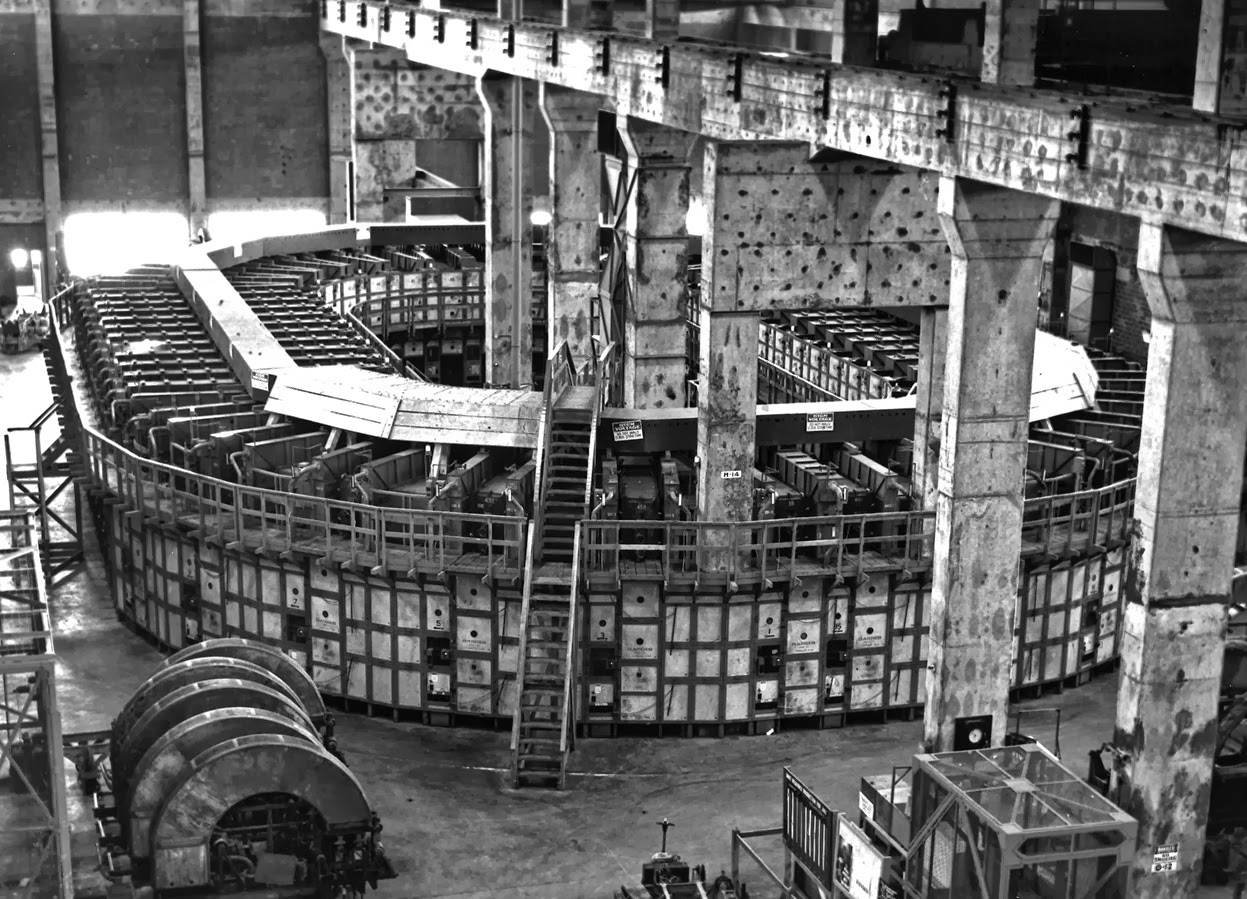

Early career and research approach
Oliphant trained and worked in leading European laboratories, where he became noted for hands‑on, accelerator‑based investigations of atomic nuclei. His experimental style emphasized high‑voltage particle beams and careful detection of reaction products. These methods were central to a wave of discoveries in nuclear physics during the 1930s and helped establish techniques used throughout experimental nuclear science.
Scientific contributions
Among Oliphant's most frequently cited contributions is his part in early laboratory demonstrations of nuclear fusion, work that showed how light nuclei can combine under bombardment to form heavier species. This work helped clarify nuclear reaction pathways and stimulated further theoretical and experimental studies of nuclear forces. For more on his scientific life see biographical summaries.
Wartime activity and development of nuclear weapons
During the Second World War Oliphant became involved in allied research efforts on atomic energy and weaponry. He was active in advising, organizing and communicating scientific developments between Britain and the United States, and his actions helped accelerate allied atomic programs. Accounts of this period describe his role in urging coordinated development and recruitment of scientists; he has been associated with early steps that led to wartime weapons work (see wartime research).
Institution building and public service
After the war Oliphant returned to public and academic life in Australia, where he took part in creating and strengthening national research facilities and training new generations of scientists. He also spoke and wrote on the social responsibilities of scientists and on peaceful applications of atomic energy. His later years were marked by advocacy for research, science education and ethical consideration of technological power.
Legacy and notable facts
- Oliphant's early fusion experiments are regarded as pioneering demonstrations in laboratory nuclear physics; see contemporary descriptions of fusion research here.
- He combined experimental skill with organizational leadership, influencing both laboratory practice and national science policy.
- Honors awarded in his lifetime reflected both scientific achievement and public service.
Because his career bridged pure research and large‑scale wartime programs, assessments of Oliphant emphasize both his technical accomplishments and the complex ethical questions that followed the practical application of nuclear science.
Questions and answers
Q: Who was Marcus Oliphant?
A: Marcus Oliphant was an Australian physicist and humanitarian.
Q: What were some of Marcus Oliphant's accomplishments?
A: Marcus Oliphant helped to develop nuclear weapons and was involved with the first experimental demonstration of nuclear fusion.
Q: What does the acronym FRS stand for?
A: FRS stands for Fellow of the Royal Society – a prestigious scientific organization in the United Kingdom.
Q: When was Marcus Oliphant born?
A: Marcus Oliphant was born on 8 October 1901.
Q: When did Marcus Oliphant pass away?
A: Marcus Oliphant passed away on 14 July 2000.
Q: Did Marcus Oliphant receive any honours during his life?
A: Yes, Marcus Oliphant was honoured with the appointments of AC, KBE, FRS, FAA, and FTSE.
Q: Did Marcus Oliphant have any notable contributions outside of his work in physics?
A: Yes, Marcus Oliphant was also known for his humanitarian work.
Related articles
Author
AlegsaOnline.com Marcus Oliphant (Australian physicist and researcher) Leandro Alegsa
URL: https://en.alegsaonline.com/art/61690