
Marco Pantani — Italian climber and 1998 Giro–Tour winner
Italian professional cyclist Marco Pantani (1970–2004), famed climber and 1998 Giro d'Italia and Tour de France winner, remembered for his attacking style, controversies, and troubled later life.

Marco Pantani (born 13 January 1970 in Cesena, Emilia-Romagna) was an Italian professional cyclist best known for his exceptional ability on high mountain stages. Popular with fans for his daring, combative riding and distinctive look—bandana, shaved head at the temples and intense expressions—he earned the nickname Il Pirata (the pirate). Pantani rose to the very top of grand-tour racing by the late 1990s and remains one of the most iconic climbers in modern cycling.
Image gallery
9 Images
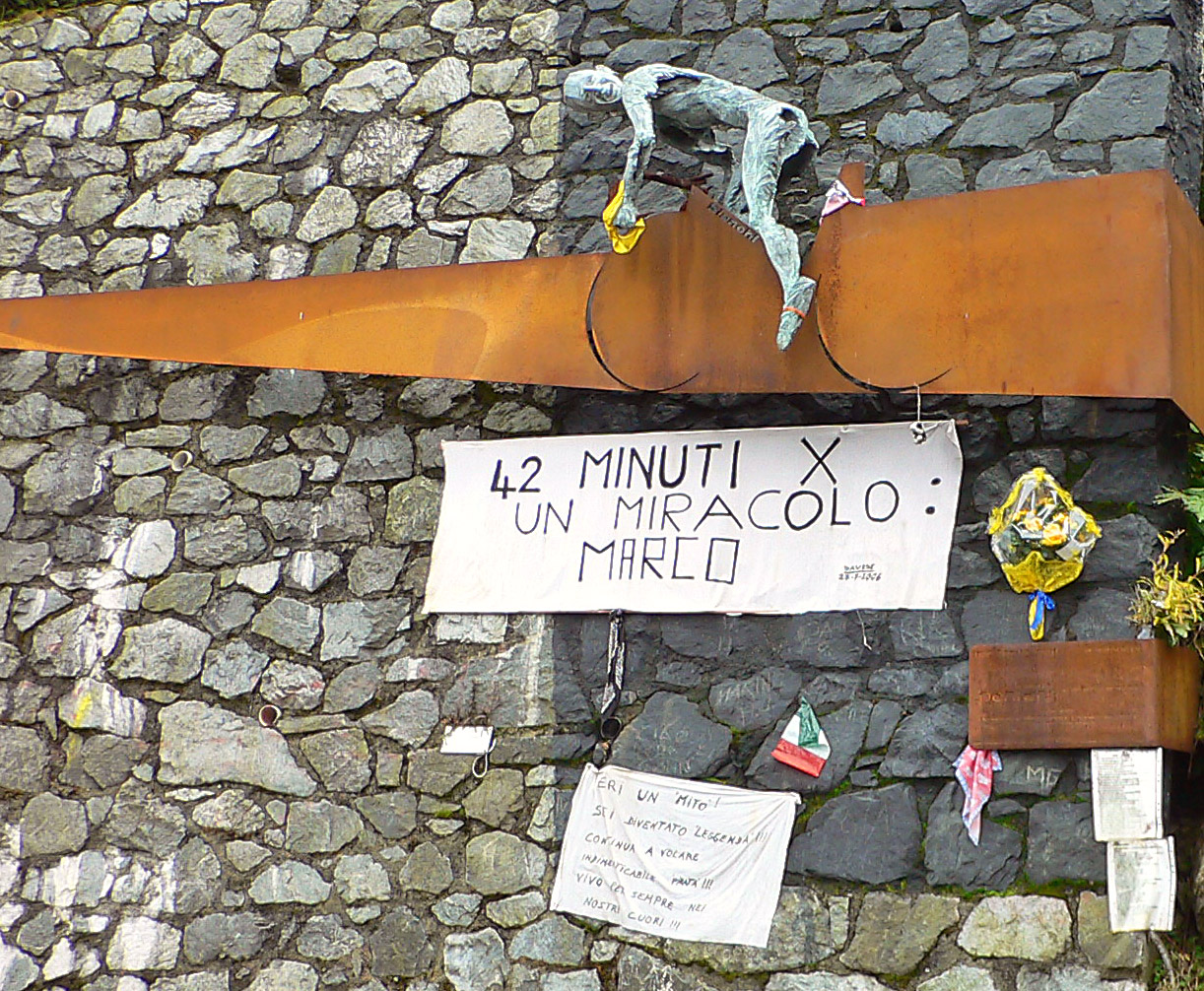


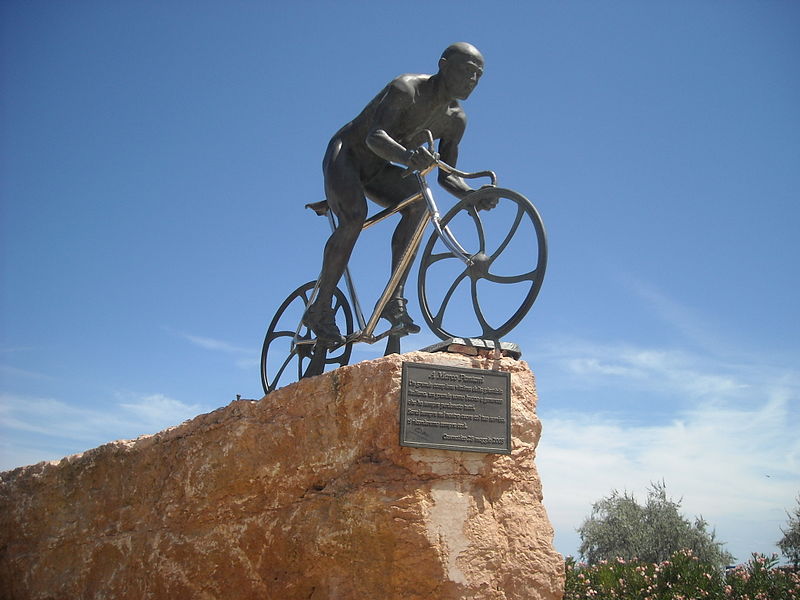



Riding style and characteristics
Pantani’s physique and technique made him a natural lightweight climber. He attacked steep gradients with a high cadence and aggressive accelerations that could break competitors on long ascents. His racing persona combined psychological pressure on rivals with an ability to sustain hard tempo on the steepest slopes, making him a threat whenever mountain stages decided a race. Spectators often recall his dramatic solo moves and ability to make big time gains in single mountain days.
Career highlights and timeline
- Rise through Italian amateur ranks and entry into professional racing in the early 1990s.
- Peak achievement in 1998: winning both the Giro d'Italia and the Tour de France in the same season, a rare double that cemented his place in cycling history.
- Later attempts to return to top form after setbacks and periods away from the podium.
Pantani’s 1998 double is frequently cited as the defining moment of his sporting life. That year he combined climbing supremacy with tactical audacity to take overall victory in two of cycling’s most prestigious stage races.
Controversies, decline and personal struggles
Shortly after his triumphs Pantani’s career was affected by controversy. He was removed from the 1999 Giro d'Italia following a failed blood test that led to his exclusion from the race and marked the start of a difficult period. Although he made comebacks and won smaller races, he did not regain his pre-1999 form at the grand-tour level. The combination of public scrutiny, ongoing fitness challenges and personal problems contributed to a decline in results.
Pantani’s personal life became increasingly troubled. He was admitted to hospital in 2003 with depression and related health issues (hospital reports at the time documented his need for care). On 14 February 2004 he was found dead in Rimini; authorities reported his death as caused by a cocaine overdose. The city where he died is Rimini.
Legacy and notable facts
Pantani remains a polarizing but beloved figure in cycling. Admirers celebrate his spectacular mountain performances and the emotional connection he forged with fans; critics and historians also place his career within the broader context of the era’s doping controversies. His life story—sporting brilliance, controversy and tragic end—continues to prompt books, documentaries and debates. He kept personal notes and a diary; media sources have referenced his final private writings in discussions about his state of mind in later years (diary).
For further reading on Pantani’s races, style and the historical context of late-1990s cycling, see specialized cycling histories and archival race reports available from sports libraries and dedicated cycling sites (professional profiles, grand tour records, Giro archives).
Additional resources and retrospectives on Pantani’s career, controversies and cultural impact are available through sports journalism outlets and documentary films that examine both his victories and the pressures that affected his later life (biographical sources, regional archives, medical reports).
Questions and answers
Q: Who was Marco Pantani?
A: Marco Pantani was an Italian professional cyclist, born in Cesena, Emilia-Romagna.
Q: What was Pantani good at in races?
A: Pantani was very good at climbing mountains in races.
Q: What major races did Pantani win in 1998?
A: Pantani won both the Tour de France and the Giro d'Italia in 1998.
Q: Why was Pantani nicknamed 'Il Pirata' by his Italian fans?
A: Pantani was nicknamed 'Il Pirata' by his Italian fans because of his appearance (he often wore a bandana) and his aggressive riding style.
Q: What happened to Pantani in the 1999 Giro d'Italia?
A: Pantani failed a test in the 1999 Giro d'Italia.
Q: What happened to Pantani in June of 2003?
A: Pantani went into hospital with depression in June of 2003.
Q: How did Pantani die and where?
A: Pantani died of a cocaine overdose in 2004 in Rimini, Emilia-Romagna.
Related articles
Author
AlegsaOnline.com Marco Pantani — Italian climber and 1998 Giro–Tour winner Leandro Alegsa
URL: https://en.alegsaonline.com/art/61673