
Marais des Cygnes massacre: 1858 attack in Bleeding Kansas
An 1858 pro‑slavery attack near Trading Post, Kansas, that became a symbol of the violence of Bleeding Kansas and drew national attention and later historic preservation.
Overview
The Marais des Cygnes massacre was an act of partisan violence that occurred on May 19, 1858, near the small settlement of Trading Post, Kansas. It is remembered as one of the last dramatic confrontations in the period known as Bleeding Kansas, a series of clashes between pro‑slavery and anti‑slavery settlers in the Kansas Territory during the 1850s. Groups of pro‑slavery irregulars, commonly referred to as Border Ruffians, crossed from Missouri and attacked a party of free‑state men, seeking revenge for earlier local disputes.
Image gallery
4 Images


Context and causes
Following the Kansas–Nebraska Act (1854), the question of whether Kansas would enter the Union as a slave or free state sparked intense migration and armed conflict. Free‑state organizers and abolitionist sympathizers clashed repeatedly with pro‑slave forces who tried to influence elections and intimidate opponents. The massacre was motivated by personal grievances as well as by the broader struggle: Charles Hamilton, a pro‑slavery leader, led the raid after having been previously dispossessed and driven from the area by free‑state settlers and abolitionists, according to contemporary accounts.
What happened
On the day of the attack, Hamilton and his men captured eleven local free‑state men. The captives were taken to a ravine along the Marais des Cygnes stream, where the assailants opened fire. Shots were fired and several of the prisoners were hit; some later died while others survived with injuries. The episode was described in local and national newspapers as a brutal example of the lawlessness that had plagued the territory.
Aftermath, legal response, and press
The massacre attracted widespread attention in Eastern newspapers; reports appeared in outlets such as New York papers and anti‑slavery publications that labeled the victims as martyrs for the free‑state cause. Public outrage in the North added to the sectional tensions that were escalating in the years before the Civil War. Authorities pursued some of those responsible, but the border nature of the violence and the ambiguity of territorial jurisdiction made sustained legal accountability difficult.
Memory, preservation, and significance
Over time the Marais des Cygnes site became a focus for commemoration of the Bleeding Kansas era. In recognition of its historical importance it was listed and designated as a protected landmark in the 20th century; the site received national recognition in 1974. Modern interpretation emphasizes the massacre as both a local tragedy and a reflection of the national crisis over slavery.
Notable facts and distinctions
- Names and actors: The raid is most commonly associated with Charles Hamilton and a band of pro‑slavery partisans drawn from Missouri and nearby counties.
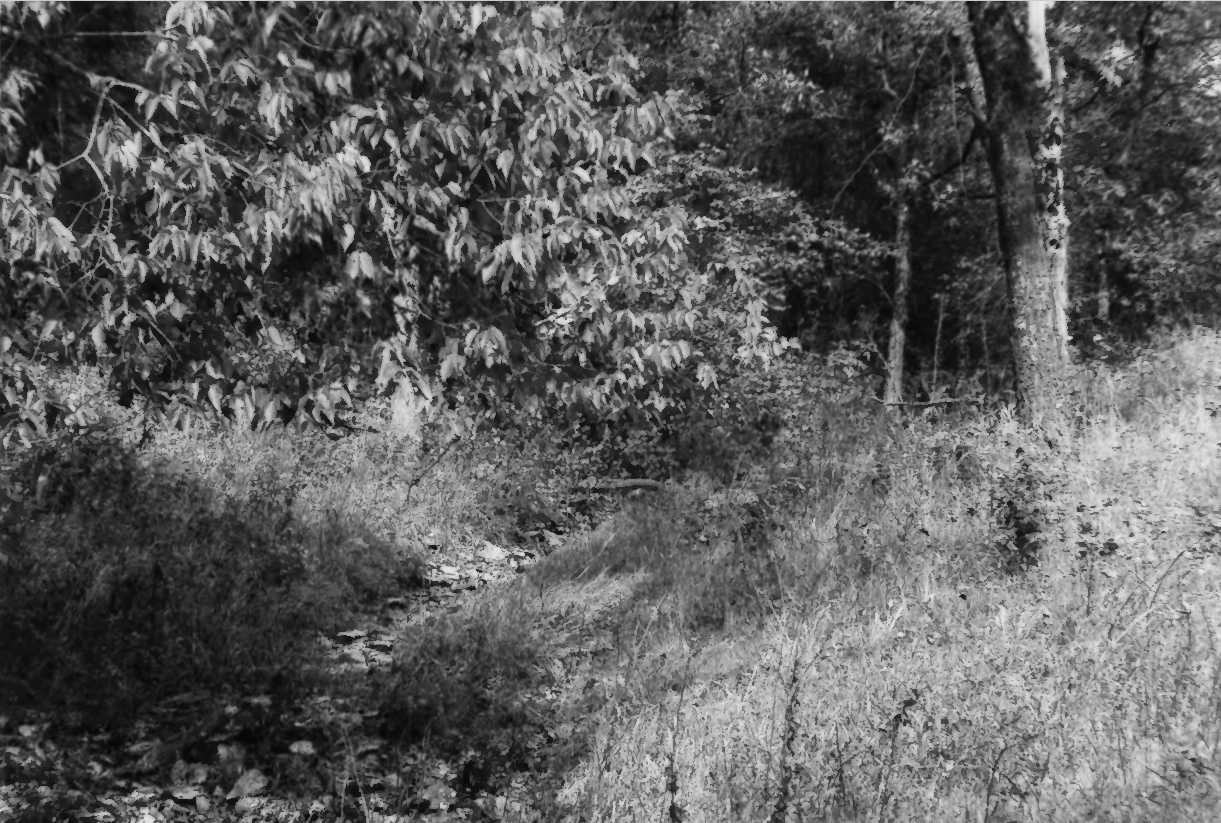
- Local setting: The attack occurred near the ravine of the Marais des Cygnes stream, close to Trading Post and within what is now eastern Kansas.
- National impact: Coverage in Eastern papers and abolitionist presses helped make the incident emblematic of the violent stakes of the slavery debate (anti‑slavery groups used the story in their campaigns).
- Historic designation: The place is preserved and interpreted as part of Civil War–era and pre‑Civil War history, with official recognition beginning in the later 20th century (landmark designation).
For readers seeking more detail on the broader conflict, see contemporary and historical treatments of Bleeding Kansas, accounts of cross‑border militias such as the Border Ruffians, and regional histories of Kansas and Missouri settlement. The episode sits at the intersection of local vendetta, partisan militia action, and the national struggle that moved the United States toward civil war. Additional primary and secondary sources discuss the capture of the eleven men, the motivations attributed to Hamilton, responses by territorial authorities, and how memorialization has shaped the site's public meaning over time. Suggested entry points include local archives, edited collections on the 1850s border conflicts, and national newspaper archives of the period (violent, episode, free‑staters, abolitionists, revenge, ravine, Missourians, martyrs, historic landmark).
Questions and answers
Q: When did the Marais des Cygnes massacre take place?
A: The Marais des Cygnes massacre took place on May 19, 1858.
Q: Where did the massacre occur?
A: The massacre occurred near the town of Trading Post, Kansas.
Q: What was the reason for the massacre?
A: Border Ruffians led by Charles Hamilton stopped in Trading Post to seek revenge against free-staters and abolitionists who had driven Hamilton from his land in Lynn County.
Q: How many free-state men were captured?
A: Eleven free-state men were captured by the Border Ruffians.
Q: What happened to the captives?
A: The captives were marched into a nearby ravine where the Missourians opened fire on them.
Q: What was the national response to the massacre?
A: Eastern newspapers including the New York Times printed the story and anti-slavery groups called the victims martyrs.
Q: What is the current status of the site of the massacre?
A: In 1974, the site of the massacre was designated a National Historic Landmark.
Related articles
Author
AlegsaOnline.com Marais des Cygnes massacre: 1858 attack in Bleeding Kansas Leandro Alegsa
URL: https://en.alegsaonline.com/art/61534
Sources
- civilwaronthewesternborder.org : "Marais des Cygnes Massacre"
- fstribune.com : "Remembering the Marais des Cygnes Massacre"
- kshs.org : "Marais des Cygnes Massacre site"
- thecivilwarmuse.com : "The Marais des Cygnes Massacre State Historic Site"
- travelks.com : "Marais des Cygnes Massacre State Historic Site"
- nps.gov : "Bleeding Kansas"
- legendsofamerica.com : "Marais des Cygnes massacre"
- xroads.virginia.edu : "John Brown and the Pottawatomie Killings"