
Manhole
A manhole is a covered opening that provides human access to underground utility networks for inspection, maintenance and repair. This article explains design, history, uses, and safety considerations.
A manhole is an access opening that allows a person to enter an underground space to inspect, maintain or repair utilities and service conduits. Common applications include sewers and wastewater systems, telephone and communication lines, electrical distribution, storm drainage and gas distribution. These openings are typically protected by a removable cover to prevent accidental entry and to secure the underground network against unauthorized access.
Image gallery
10 Images



Design and components
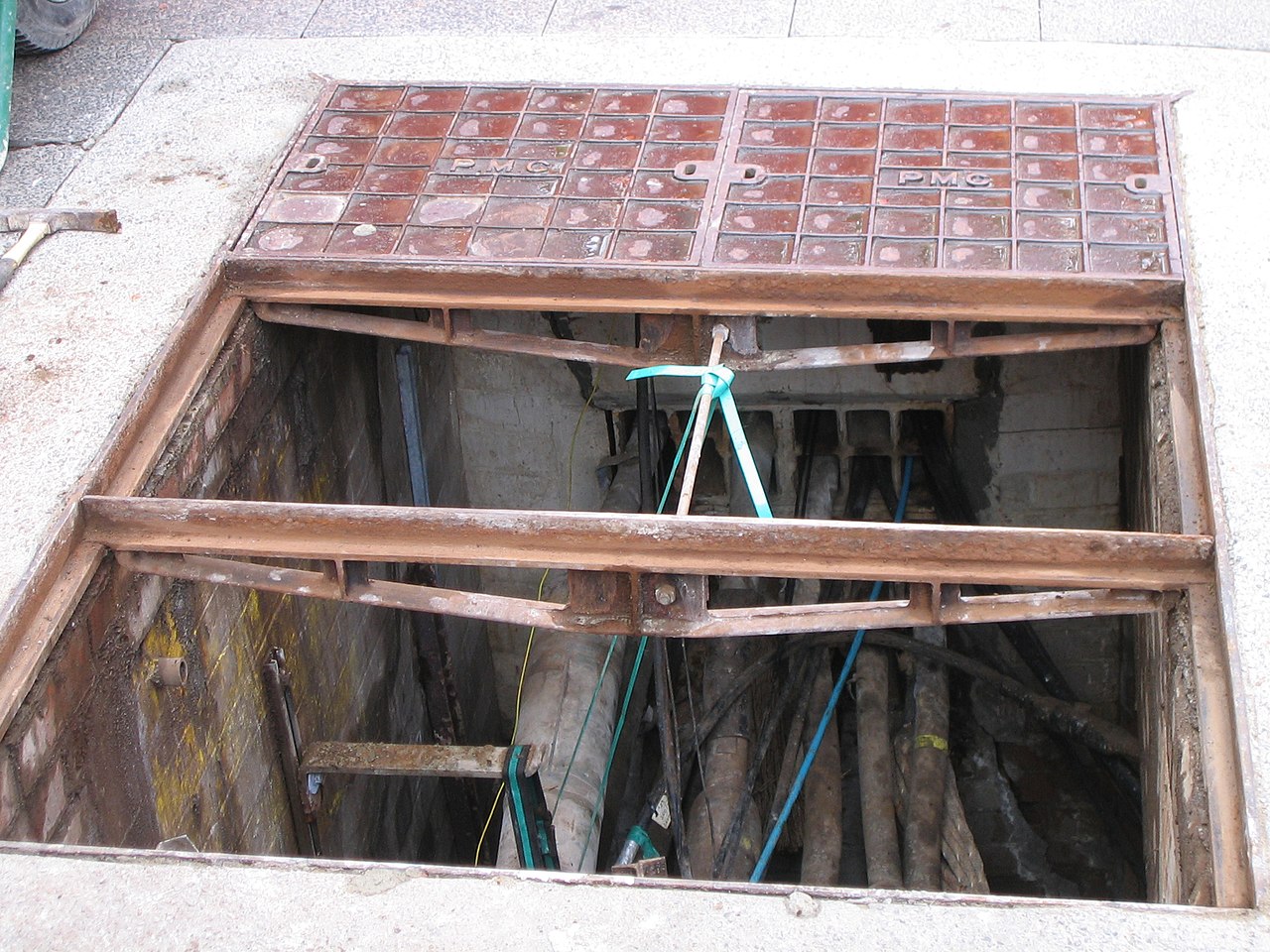
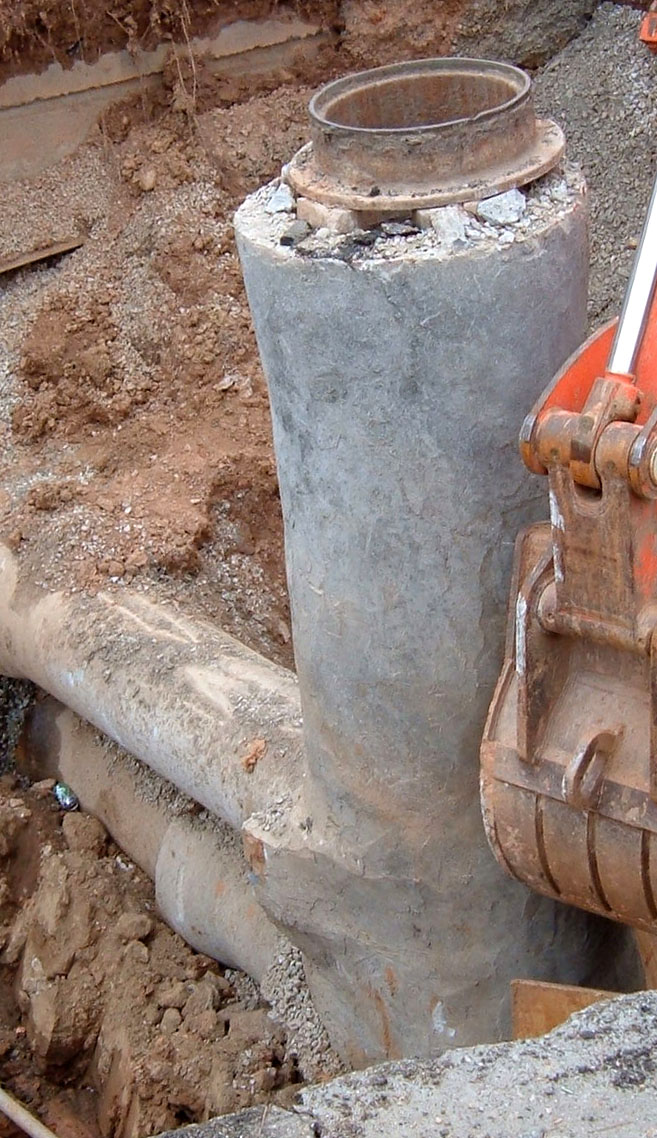
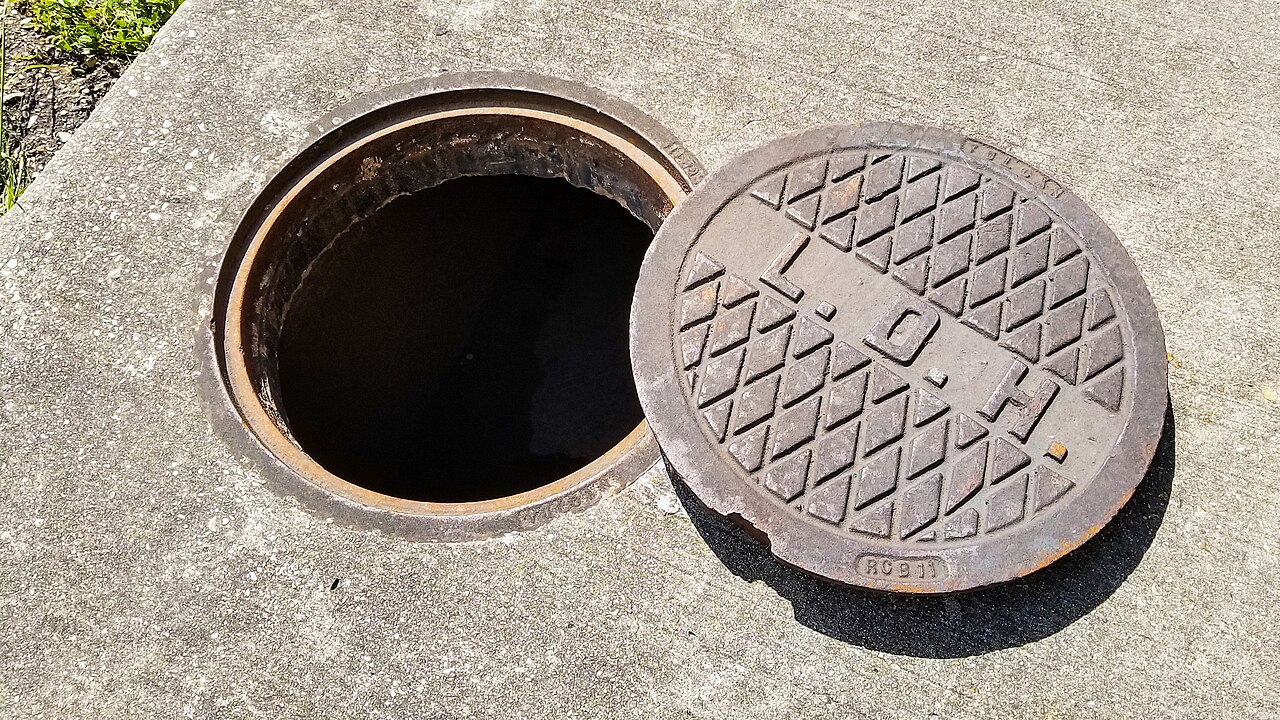
Most manholes consist of a vertical shaft and a chamber large enough for a worker to stand and move. The visible elements at street level include the frame and the cover, often called a manhole cover or sometimes colloquially a "biscuit." Covers are made from materials such as cast iron, steel, composite materials or concrete and are designed to be robust, weather resistant and, in many cases, traffic-rated.
Internal features commonly include built-in steps or rungs to assist entry and exit; these may be metal or molded polypropylene such as polypropylene steps. Additional components can include benches, channeling for flow in sewer manholes, ventilation openings, and locking mechanisms where security is required.
Functions and typical locations
Manholes provide direct access to several types of underground infrastructure. Examples are sewer systems, telephone and fiber optic conduits (telephone), electrical cables and junctions (electricity), stormwater systems (storm drains) and gas mains (gas). They are most often found in built-up environments such as streets, alleys and pavements; common placement patterns include mid-block locations, near intersections or under sidewalks (sidewalks) in urban zones (urban areas).
History and development
The use of access shafts dates back to early urban water and waste projects where maintenance openings were needed to clear blockages and access conduits. Over time manhole materials and manufacturing methods evolved to improve load-bearing capacity, corrosion resistance and sealing. Modern designs also take into account worker safety, gas monitoring and ease of lifting.
Safety, maintenance and regulations
- Safety protocols: confined-space entry procedures, gas testing and ventilation before entry.
- Maintenance: periodic inspection of covers, frames and internal chambers to detect corrosion, cracking or debris.
- Regulation: many jurisdictions prescribe standards for cover strength, locking, signage and permitted entry methods.
Because manholes provide controlled access to critical infrastructure, they are an important element of urban utility management. Proper design and upkeep reduce the risk of accidents, unauthorized access and service interruptions.
Notable distinctions
Manholes vary in shape and size: circular covers are common because a round cover cannot fall through its circular opening, but square and rectangular chambers are used where equipment or channel geometry benefits from those shapes. Access points intended only for shallow utilities may be called inspection chambers or access chambers, while larger, deeper structures may be referred to as maintenance holes or confined spaces depending on local terminology and regulatory context.
For more technical guidance and regional standards, consult local utility authorities or infrastructure manuals: they provide detailed requirements for materials, load ratings and safe entry procedures.
Telephone infrastructure | Electrical networks | Stormwater systems | Gas distribution | Step materials | Urban placement | Sidewalk locations
Questions and answers
Q: What is a manhole?
A: A manhole is a hole that allows a person to go underground to fix underground services, such as sewers, telephone, electricity, storm drains and gas.
Q: What are some examples of underground services that a manhole is used for?
A: Some examples of underground services that a manhole is used for include sewers, telephone, electricity, storm drains and gas.
Q: What is the purpose of a manhole cover?
A: A manhole cover is designed to protect the opening and prevent people from falling down the hole and from going underground if they are not authorized to do so.
Q: What is another name for a manhole cover?
A: Another name for a manhole cover is "biscuit".
Q: What is the purpose of metal or polypropylene steps inside a manhole?
A: The purpose of metal or polypropylene steps inside a manhole is to make it easier for a person to get in and out of the manhole.
Q: Where are manholes usually found?
A: Manholes are usually found in urban areas, in streets and sometimes under sidewalks.
Q: Why are manholes usually circular in shape?
A: Manholes are usually circular in shape to prevent the manhole cover from falling into the hole.
Author
AlegsaOnline.com Manhole Leandro Alegsa
URL: https://en.alegsaonline.com/art/61319