
Malaysia Airlines Flight 17 (MH17) — 2014 crash over eastern Ukraine
Malaysia Airlines Flight 17 was shot down over eastern Ukraine on 17 July 2014, killing all 298 aboard. International investigations identified a surface-to-air missile and led to criminal charges and broad diplomatic response.
Overview
Malaysia Airlines Flight 17 (MH17) was a scheduled international passenger service from Schiphol airport in Amsterdam to Kuala Lumpur in Malaysia. On 17 July 2014 the Boeing 777-200ER operating the flight disappeared from civilian radar and crashed near the village of Hrabove in Donetsk Oblast, eastern Ukraine. All 298 people on board — passengers and crew — were killed. The loss of MH17 was among the deadliest commercial aviation disasters resulting from hostile action against an airliner.
Image gallery
10 Images


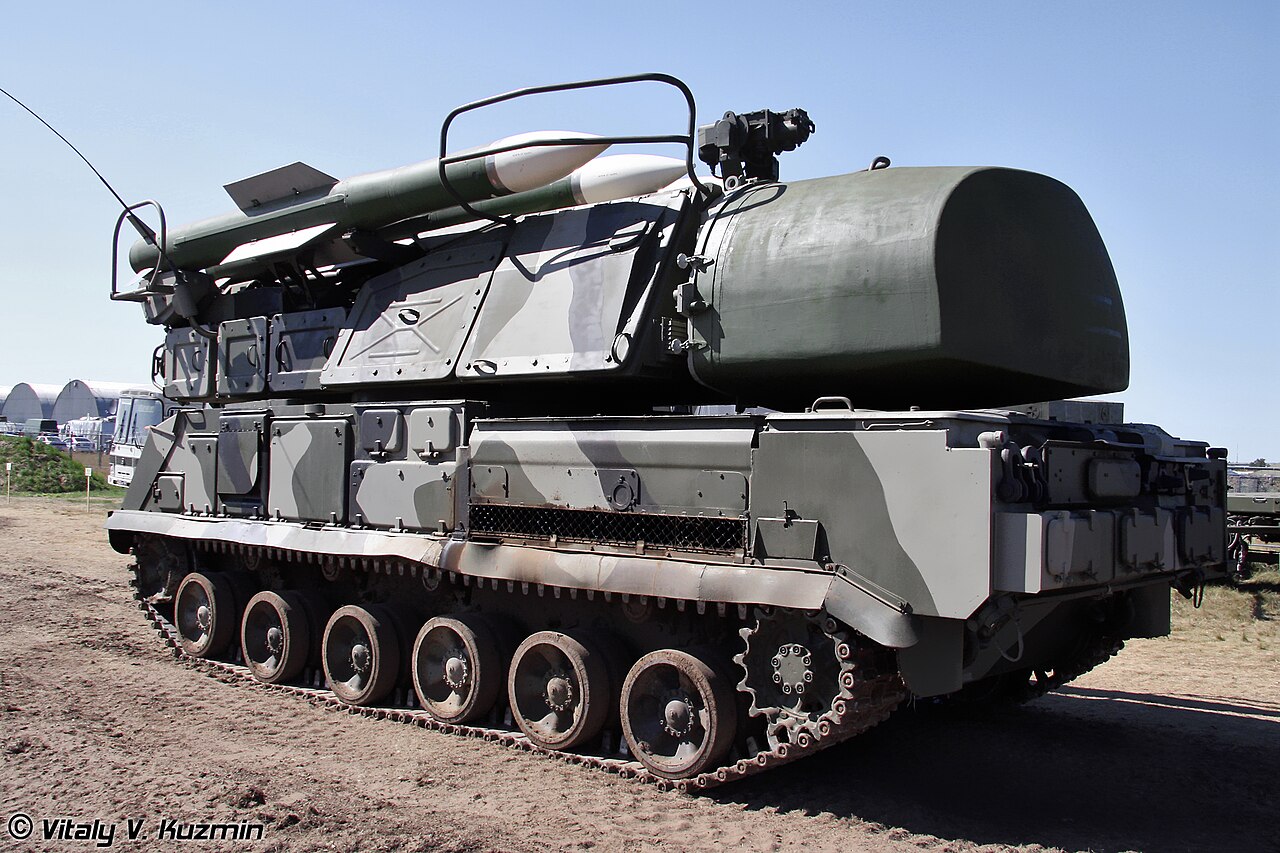

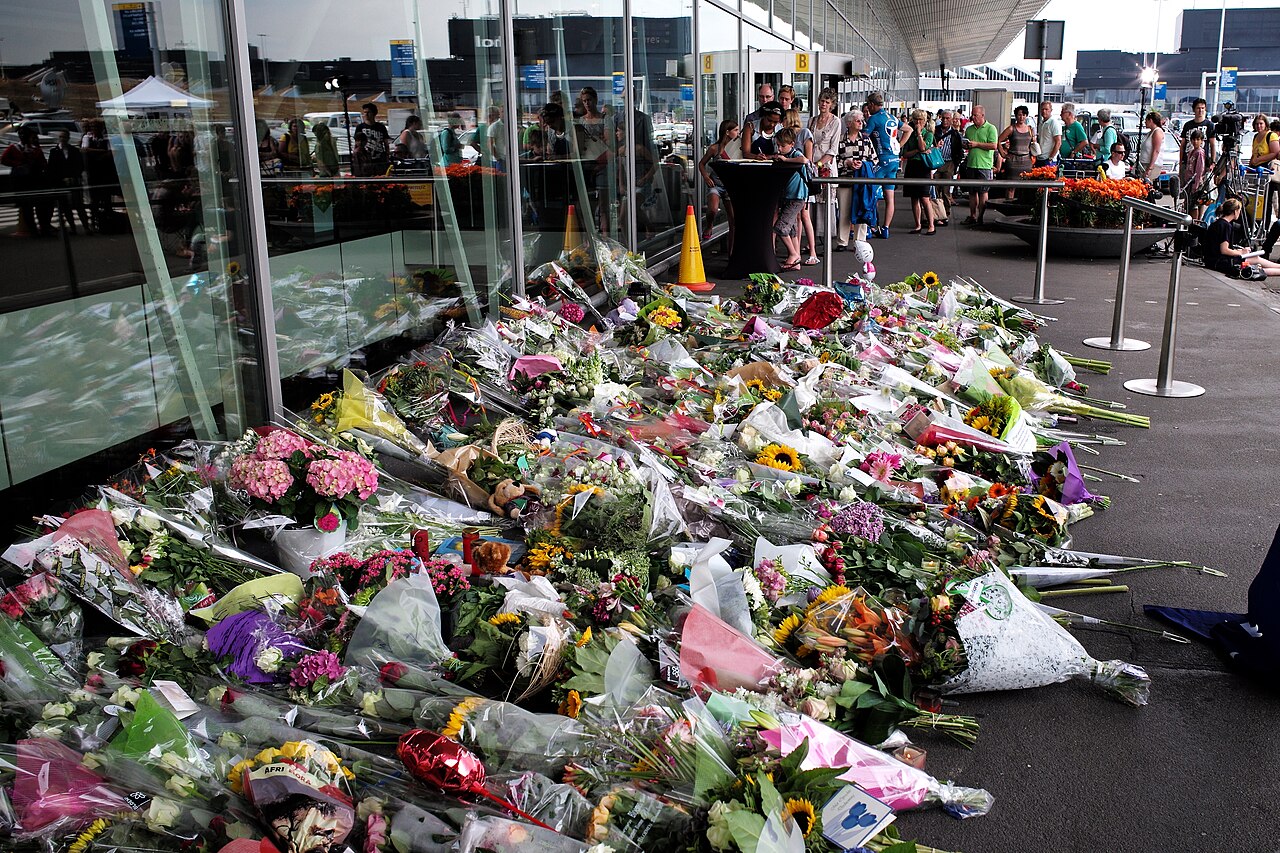
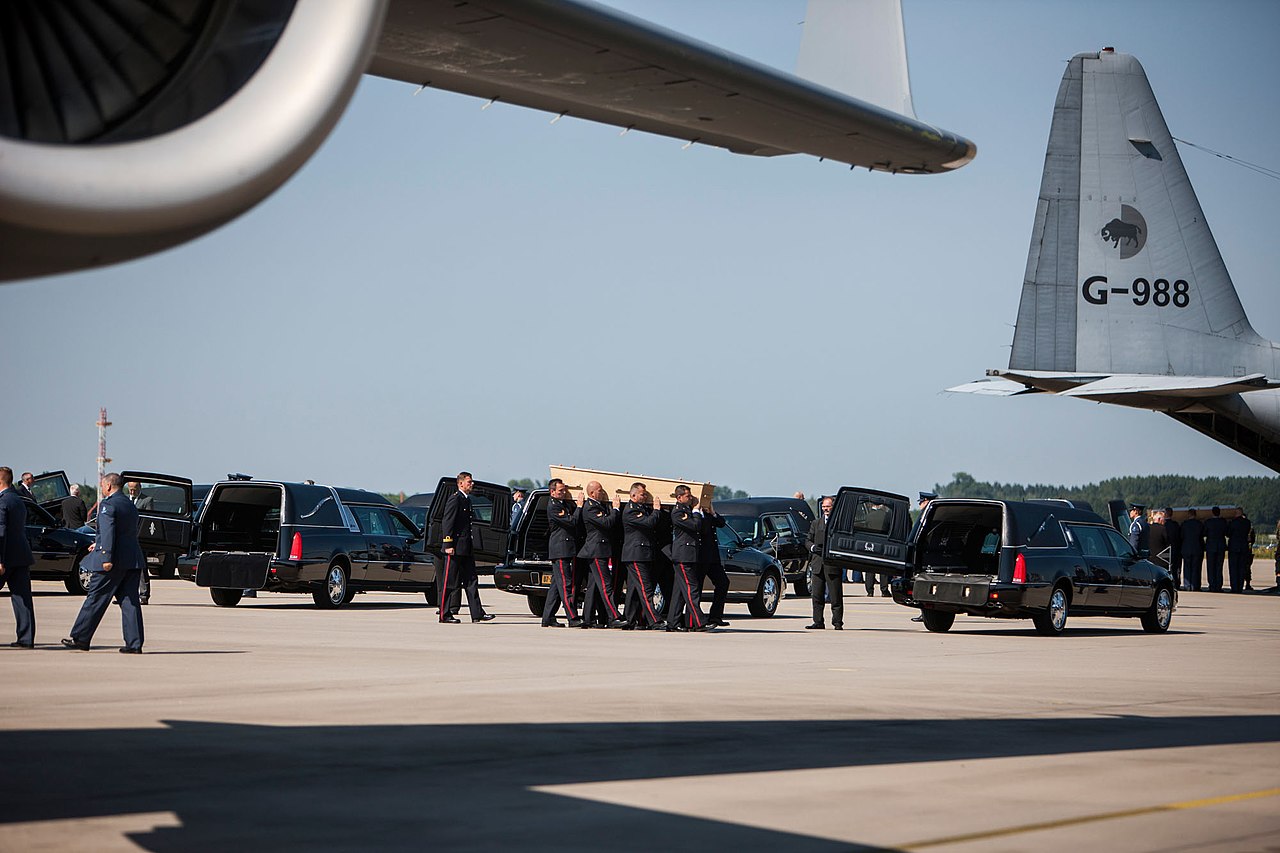


Aircraft, people and route
The aircraft type, a Boeing 777-200ER, was on a routine long-haul route that had previously been flown without incident. Passengers represented many nationalities and included civilians travelling for business, tourism and family reasons. The flight’s manifest and manifest-related inquiries were central to early reporting and to later efforts to identify victims and notify next of kin.
Crash circumstances and investigation
The crash occurred amid armed conflict in eastern Ukraine. Initial statements from Ukrainian authorities and other sources suggested the plane might have been struck by a ground-to-air weapon. A coordinated international inquiry began, led by Dutch authorities and involving forensic examination of wreckage, analysis of radar and satellite data, and review of intercepted communications and other intelligence. Investigators encountered access and safety difficulties because the site lay in an active conflict zone.
After months of investigation, official findings concluded that the aircraft was destroyed by a high-energy explosion from outside the aircraft consistent with a surface-to-air missile. Dutch and joint investigative teams published reports describing the weapon type and the circumstances of the strike. Subsequent criminal investigations by prosecutors resulted in charges against several individuals and legal proceedings in the Netherlands.
Aftermath, accountability and response
The downing of MH17 prompted an international response that combined diplomatic pressure, judicial action and humanitarian support for victims’ families. Governments called for accountability, and a number of states adjusted travel advisories and air routes over conflict zones. Families of victims and states affected by the disaster pursued legal remedies and compensation through national and international mechanisms. National leaders, including Petro Poroshenko, then President of Ukraine, described the event in strong terms as investigations proceeded.
Notable aspects and legacy
- MH17 highlighted the vulnerability of civilian aircraft over armed conflict zones and accelerated efforts to improve route risk assessment and information sharing between states and carriers.
- Forensic analysis of wreckage, combined with open-source intelligence such as satellite imagery and communications intercepts, became a prominent feature of the investigative record.
- The incident led to prolonged international legal and diplomatic activity, with criminal cases, civil claims, memorials and continuing calls for full transparency.
Although many technical details and legal determinations have been examined and reported by national authorities, the MH17 disaster remains an important case study in aviation safety, conflict-related risk to civil aviation and the international coordination required to investigate and respond to attacks on commercial aircraft.
Airplane
The Boeing 777-200ER aircraft, with aircraft registration 9M-MRD and serial number 28411, was the 84th Boeing 777 produced. After its maiden flight on 17 July 1997, it was delivered to Malaysia Airlines on 29 July 1997. The aircraft was thus in service for 17 years until its crash. It was equipped with two Rolls-Royce Trent 892 engines and 282 seats for passengers. The last major overhaul (D-check) took place in 2013; the aircraft returned to service on November 16. According to Malaysia Airlines, the last inspection took place on 11 July 2014 at Kuala Lumpur Airport, while the Dutch Air Accident Investigation Authority (OVV) cited 16 April as the date of the last minor inspection (A-check). The next maintenance was scheduled for August 27, 2014. According to the operator, the aircraft was in perfect condition; the outbound flight to Amsterdam was without technical problems. In total, the aircraft had flown 75,322 hours on 11,434 flights. The investigation also found no irregularities in the operations during the aircraft's layover in Amsterdam.
Passengers and crew
| Nationality | Number |
| Netherlands | 192 |
| Malaysia | 43 |
| Australia | 27 |
| Indonesia | 12 |
| United Kingdom | 9 |
| Belgium | 4 |
| Germany | 4 |
| Philippines | 3 |
| Canada | 1 |
| New Zealand | 1 |
| United Kingdom | 1 |
| Netherlands | 1 |


There were 298 people on board: 283 passengers and 15 Malaysian crew members. The four pilots of the long-haul crew were 50-year-old Wan Amran Bin Wan Hussin and 45-year-old Eugene Choo Jin Leong (captains) and 29-year-old Ahmad Hakimi Bin Hanapi and 27-year-old Muhamad Firdaus Bin Abdul Rahim (co-pilots).
Six of the passengers, including AIDS researcher Joep Lange and his partner and collaborator Jacqueline van Tongeren, were on their way to the 20th World AIDS Conference in Melbourne. Also on the plane were Dutch Socialist MP Willem Witteveen, his wife and daughter. Also among the victims were the Australian writer Liam Davison and the Malaysian theatre and film actress Shuba Jaya, who died with her husband Paul Goes and their child.
Questions and answers
Q: What was Malaysia Airlines Flight 17?
A: Malaysia Airlines Flight 17 was a scheduled international passenger flight from Schiphol airport, Amsterdam to Kuala Lumpur, Malaysia.
Q: When did the flight lose radar contact?
A: The flight lost radar contact on 17 July 2014.
Q: How did the flight crash?
A: The flight crashed near the village of Hrabove, Donetsk Oblast, Ukraine.
Q: What type of airplane was Malaysia Airlines Flight 17?
A: Malaysia Airlines Flight 17 was a Boeing 777-200ER.
Q: How many passengers were on the flight at the time of the crash?
A: There were 283 passengers and 15 crew members onboard at the time of the crash.
Q: How did the Ukrainian president describe the incident?
A: Ukrainian President Petro Poroshenko called it an "act of terrorism."
Q: What was the cause of the crash according to Dutch investigators?
A: Dutch investigators said in October 2018 that the plane was destroyed as a result of the explosion of a BUK missile.
Related articles
Author
AlegsaOnline.com Malaysia Airlines Flight 17 (MH17) — 2014 crash over eastern Ukraine Leandro Alegsa
URL: https://en.alegsaonline.com/art/60970
Sources
- onderzoeksraad.nl : Crash of Malaysia Airlines Flight MH17
- news.klm.com : "Statement Malaysia Airlines MH17"
- edition.cnn.com : "Malaysia Airlines flight crashes in Ukraine"
- news.sky.com : "Malaysian Plane 'Shot Down' With 295 On Board"
- news.biharprabha.com : "How countries reacted to Malaysia Airlines Flight MH 17 Crash?"
- telegraph.co.uk : "Malaysia Airlines crash: President Poroshenko calls shooting down of Malaysian plane an 'act of terrorism'"
- theguardian.com : "MH17 crash report: Dutch investigators confirm Buk missile hit plane - live updates"
- worldcat.org : 0261-3077