
Maio (Cape Verde) — island overview, geography, history and economy
Maio is a low, sparsely populated island in the Sotavento group of Cape Verde, known for long sandy beaches, salt pans, Monte Penoso and traditional fishing and salt production.
Overview
Maio is one of the islands of Cape Verde, lying in the eastern sector of the Sotavento (leeward) island group. It is relatively flat compared with many other Cape Verde islands and is notable for long sandy coasts, saline flats and an arid, wind-swept landscape. Administratively the whole island forms a single municipality, and its principal town and port is Porto Inglês.
Image gallery
6 Images


Geography and natural features
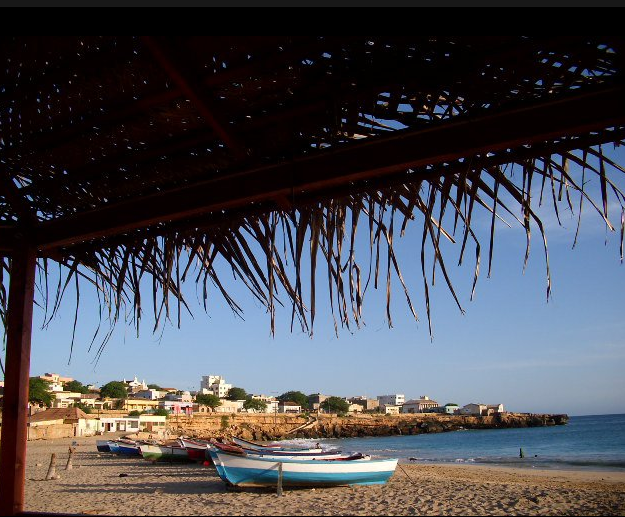
The island’s terrain is dominated by low plains and dunes, interrupted by a modest range in the east. The highest point is Monte Penoso, rising to about 436 metres near the eastern coast. Maio’s coastline is characterized by broad beaches and several sheltered bays. Scarce surface water and limited rainfall produce semi-arid vegetation: dry scrub, acacia stands and stretches of coastal grasses.
Flora, fauna and conservation
Despite its dry conditions, Maio supports important coastal and marine habitats. Sandy beaches provide nesting sites for sea turtles, and offshore waters sustain artisanal fisheries. Birdlife includes coastal and migratory species that use the island as a stopover. Parts of the shoreline and marine zone have been the subject of conservation interest to protect nesting turtles and local biodiversity.
History and development
Portuguese mariners are recorded as discovering or charting Maio in the 15th century; the island was known to European sailors by about 1460. Settlement patterns were shaped by maritime trade, salt production and fishing. Porto Inglês developed as the main harbour and market town where salt and fish were shipped to other islands and the mainland. Over time, the island’s economy and population have been influenced by emigration and fluctuations in maritime commerce.
Economy and human activity
Traditionally Maio’s economy has relied on small-scale agriculture, artisanal fishing and salt extraction from coastal flats. In recent decades tourism has grown, attracted by quiet beaches, birdwatching and opportunities to experience Cape Verdean Creole culture away from busier islands. Infrastructure and services remain limited in places, and development efforts often balance promoting visitor activity with conserving fragile coastal and marine ecosystems.
Notable facts and distinctions
- Maio is the easternmost island of the Sotavento group.
- The island forms a single municipality with Porto Inglês as its main town and port.
- Monte Penoso is the island’s highest point, near the east coast, reaching about 436 m.
- Long sandy beaches and salt pans are characteristic features and a part of local heritage.
For readers seeking further administrative or travel details, local government and tourism resources can provide up-to-date information about transport, accommodation and conservation measures on Maio.
Questions and answers
Q: What is Maio?
A: Maio is an island that belongs to Cape Verde.
Q: What is the geographical location of Maio?
A: Maio is the easternmost island in the Sotavento group.
Q: What is the main town in Maio?
A: The main town in Maio is Porto Inglês.
Q: When was Maio discovered?
A: Maio was discovered in 1460.
Q: What is the name of the tallest mountain on the island?
A: The name of the tallest mountain on the island is Monte Penoso.
Q: Where is the mountain range that includes Monte Penoso located?
A: The mountain range that includes Monte Penoso is located near the east coast of the island.
Q: How tall is the highest mountain on Maio?
A: The highest mountain on Maio is 436 meters tall.
Related articles
Author
AlegsaOnline.com Maio (Cape Verde) — island overview, geography, history and economy Leandro Alegsa
URL: https://en.alegsaonline.com/art/60814