
Magna Carta... Holy Grail
Twelfth studio album by Jay‑Z (2013); notable for its Samsung partnership, high‑profile collaborators, mixed reviews and immediate commercial success.
Magna Carta... Holy Grail is the twelfth studio album by American rapper and entrepreneur Jay‑Z. Announced and first issued digitally in early July 2013, the record combines polished hip‑hop production with thematic exploration of fame, power, legacy and the costs of wealth. Its title pairs two symbolic references—the medieval Magna Carta and the mythic Holy Grail—to suggest tensions between authority, law, aspiration and reward.
Image gallery
3 Images

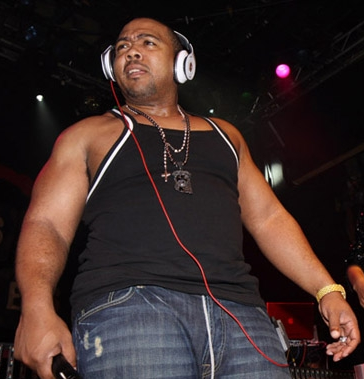
Recording and production
The album was created with contributions from a variety of contemporary producers and musicians, blending orchestral samples, electronic textures and tightly produced beats to create a smooth, often expansive sound. Production leaned toward glossy arrangements that foregrounded Jay‑Z's measured, reflective delivery while accommodating melodic guest vocals. The record's sonic approach emphasized atmosphere and detail, often prioritizing mood and texture alongside rap verses.
Collaborations and singles
Magna Carta... Holy Grail features a number of well‑known vocal collaborators, which added mainstream crossover appeal and diverse vocal textures. Key guest appearances include Justin Timberlake, whose vocals and songwriting contributions appear on one of the lead singles; Nas, a frequent artistic interlocutor; Rick Ross and Frank Ocean, whose distinct voices complement different moods on the record; and Beyoncé, who appears in a supporting vocal role. Several tracks were promoted as singles and received radio play and music videos prior to and following the album's full release.
Release, promotion and the Samsung partnership
The album's rollout drew as much attention as its music. A technology company partnership resulted in an unusual distribution arrangement: reports at the time indicated that copies were acquired and distributed to device users through a branded application, making the album widely available the same day it was announced. The initial digital availability on July 4, 2013 was followed by a general retail release a few days later through Roc‑A‑Fella, Roc Nation and major distribution partners. The marketing campaign also included televised commercials and promotional spots; the campaign and its corporate partner were widely discussed in media coverage of the release.
Critical reception
Critical response to the album was mixed. Many reviewers praised the ambition of the production, the high production values and the strength of key guest contributions, while some critics sought more emotional immediacy or sharper lyricism from the material. Commentators noted a contrast between the album's luxurious musical surfaces and moments of introspection about fame and responsibility. Over time, the record has been debated for both its musical qualities and its place in Jay‑Z's broader catalog.
Commercial performance and charts
Despite varied critical reaction, the album achieved immediate commercial success, debuting at number one on the US Billboard 200 and topping charts in several other countries. The combination of a high‑profile corporate tie‑in, strong promotion and Jay‑Z's established audience contributed to robust initial sales and widespread public attention. The record charted across markets including the United States, the United Kingdom, Switzerland and Canada.
Legacy and context
Magna Carta... Holy Grail is frequently cited in discussions about how modern album releases can be shaped by digital strategies and corporate partnerships. It further illustrated Jay‑Z's dual identity as an artist and entrepreneur and prompted conversations about the evolving relationship between creators, distributors and technology platforms. The album remains a notable example of mainstream hip‑hop in the early 2010s and of the changing business models around music release and promotion.
Further information
- Album details and credits
- Artist biography and discography
- Justin Timberlake — collaborator overview
- Nas — guest appearance context
- Rick Ross — featured contributions
- Frank Ocean — vocal contributions
- Beyoncé — guest involvement
- Commercial spots and advertising materials
- Corporate partner and promotional arrangements
- Chart performance (United States)
- Chart performance (United Kingdom)
- Chart performance (Switzerland)
- Chart performance (Canada)
Questions and answers
Q: What is Magna Carta Holy Grail?
A: Magna Carta Holy Grail is the twelfth studio album by American rapper Jay-Z.
Q: When was Magna Carta Holy Grail released for digital download?
A: Magna Carta Holy Grail was released for digital download on 4 July 2013.
Q: When was Magna Carta Holy Grail released in album form?
A: Magna Carta Holy Grail was released in album form on 8 July 2013 by Roc-A-Fella and Roc Nation while being shared by Universal Records.
Q: Who else sang in the Magna Carta Holy Grail album besides Jay-Z?
A: Justin Timberlake, Nas, Rick Ross, Frank Ocean and Beyoncé also sang in the album.
Q: How was the Magna Carta Holy Grail album promoted?
A: The album was promoted with commercials that were presented by Samsung.
Q: Did all critics like the Magna Carta Holy Grail album?
A: No, even though some critics didn't like the album, it still reached #1 on the American, British, Swiss and Canadian music charts.
Q: What was the album's debut position on the US Billboard 200 Chart?
A: The album debuted at #1 on the US Billboard 200 Chart.
Related articles
Author
AlegsaOnline.com Magna Carta... Holy Grail Leandro Alegsa
URL: https://en.alegsaonline.com/art/60610
Sources
- xxlmag.com : "Timbaland Breaks Down The Genesis of Jay Z's 'Magna Carta Holy Grail,' Production Credits"
- lifeandtimes.com : "JAY Z "Magna Carta... Holy Grail" Album Cover"
- billboard.com : "Jay Z's 'Magna Carta' Debuts at No. 1 on Billboard 200 Chart"