
Magdalena Department (Colombia)
Coastal department in northern Colombia with capital Santa Marta, notable for the Sierra Nevada de Santa Marta, Tayrona National Natural Park, Caribbean shoreline and cultural history including Gabriel García Márquez.
Magdalena Department is a coastal administrative region in northern Colombia that lies along the Caribbean Sea. Its capital and main port is Santa Marta, one of the earliest Spanish-founded cities on the continent. The department takes its name from the Magdalena River, a major waterway that has shaped settlement and commerce in the region for centuries.


Image gallery
10 Images


Economy and human activity
Agriculture in Magdalena includes plantations and smallholder crops adapted to tropical conditions, while fishing and aquaculture are important along the coast. The port facilities in Santa Marta handle domestic and international cargo and attract cruise tourism. Cities and towns in the department provide services, cultural life and access to parks and archaeological sites.
Environment, culture and tourism
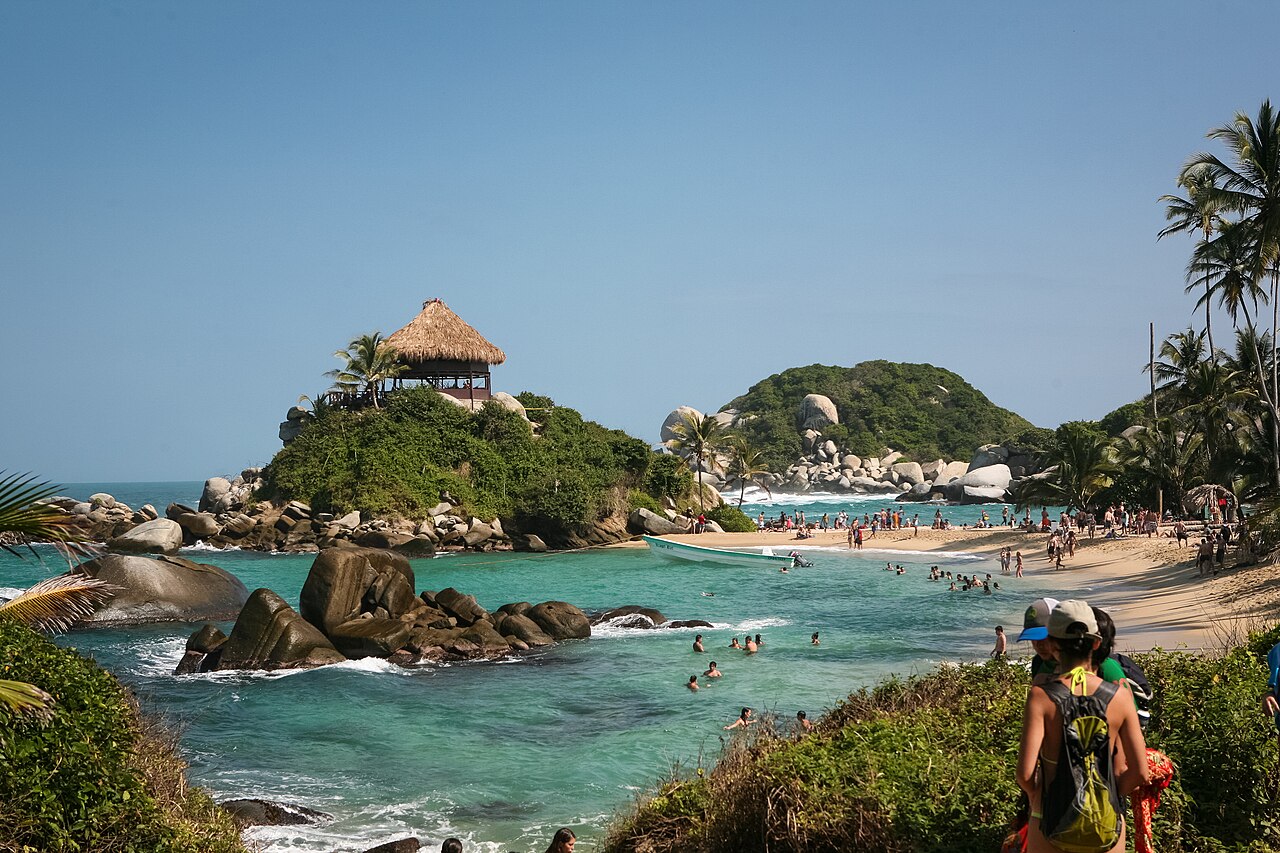
Magdalena is internationally known for its biodiversity and protected areas such as Tayrona National Natural Park, which preserves coastal rainforest, beaches and archaeological remains. The Sierra Nevada supports indigenous communities — including groups that maintain traditional cultural practices and stewardship of the highland ecosystems. The department is also notable in modern literature: the town of Aracataca in Magdalena is the birthplace of Nobel laureate Gabriel García Márquez and inspired places in his novels.
- Geographic highlights: Sierra Nevada de Santa Marta, coastal lagoons and Caribbean beaches.
- Conservation: diverse habitats from marine reefs to high mountain ecosystems.
- Cultural notes: early Spanish settlement in Santa Marta and birthplace of Gabriel García Márquez.
- Economic activities: agriculture, fishing, port operations and tourism.
Challenges for the department include balancing development with conservation, protecting wetlands and mangroves, and supporting sustainable livelihoods for coastal and mountain communities. Magdalena remains an important region for Colombia because of its natural riches, cultural heritage and its strategic coastal location.
Administrative subdivision
Related articles
Author
AlegsaOnline.com Magdalena Department (Colombia) Leandro Alegsa
URL: https://en.alegsaonline.com/art/60565