
Luxembourg City: capital, history and landmarks of the Grand Duchy
Luxembourg City is the capital of the Grand Duchy of Luxembourg. Known for its fortified Old Quarter, multilingual culture and role as a financial and institutional centre, it sits where the Alzette and Pétrusse meet.
Overview
Luxembourg City is the capital and principal city of the Grand Duchy of Luxembourg. It is known in several languages — Lëtzebuerg in Luxembourgish, Luxembourg in French and Luxemburg in German — reflecting the country's multilingual character. Legally the city is a commune with city status, a civic designation that covers both municipal government and urban functions (see civic status), and it serves as the national capital (state capital).
Image gallery
10 Images






Geography and layout
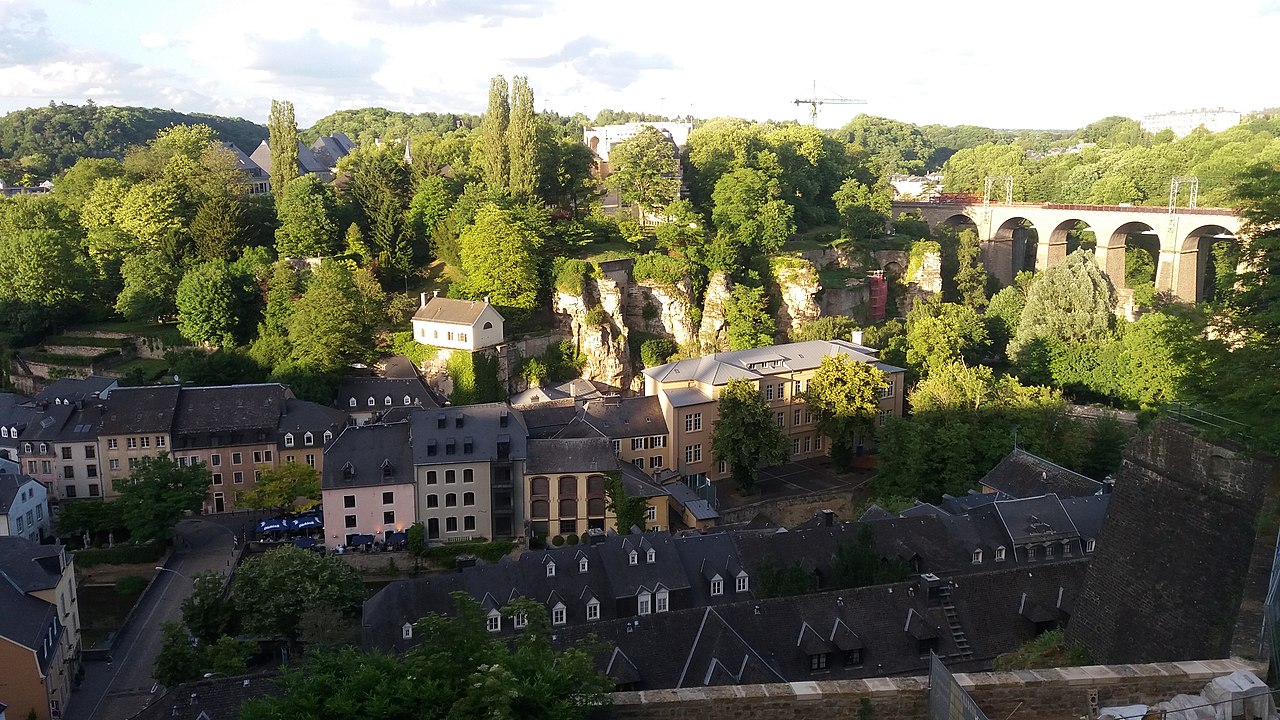
The city occupies a dramatic site at the confluence of two small rivers, the Alzette and the Pétrusse, which carve deep gorges and terraces. This topography created naturally defensible promontories and separated districts such as the plateau above the old fortress, the historic lower quarters known as the Grund, and more recent residential and business areas.
History and development
Luxembourg's origins trace to a medieval stronghold built on a rock overlooking the rivers; a castle and fortifications there encouraged a settlement to grow in the Early Middle Ages (medieval origins). Over centuries the city became a strategically important fortress, repeatedly enlarged and contested by regional powers. Vestiges of these defenses — tunnels, walls and bastions — remain an important part of the urban landscape and historical identity.
Government, economy and institutions
Today the city combines national government functions with a diversified economy. It is a significant financial centre and hosts international and European institutions, courts and offices. Its administrative role is balanced by private banking, investment services and technology businesses, alongside municipal services that serve residents and cross-border commuters.
Culture, landmarks and public life
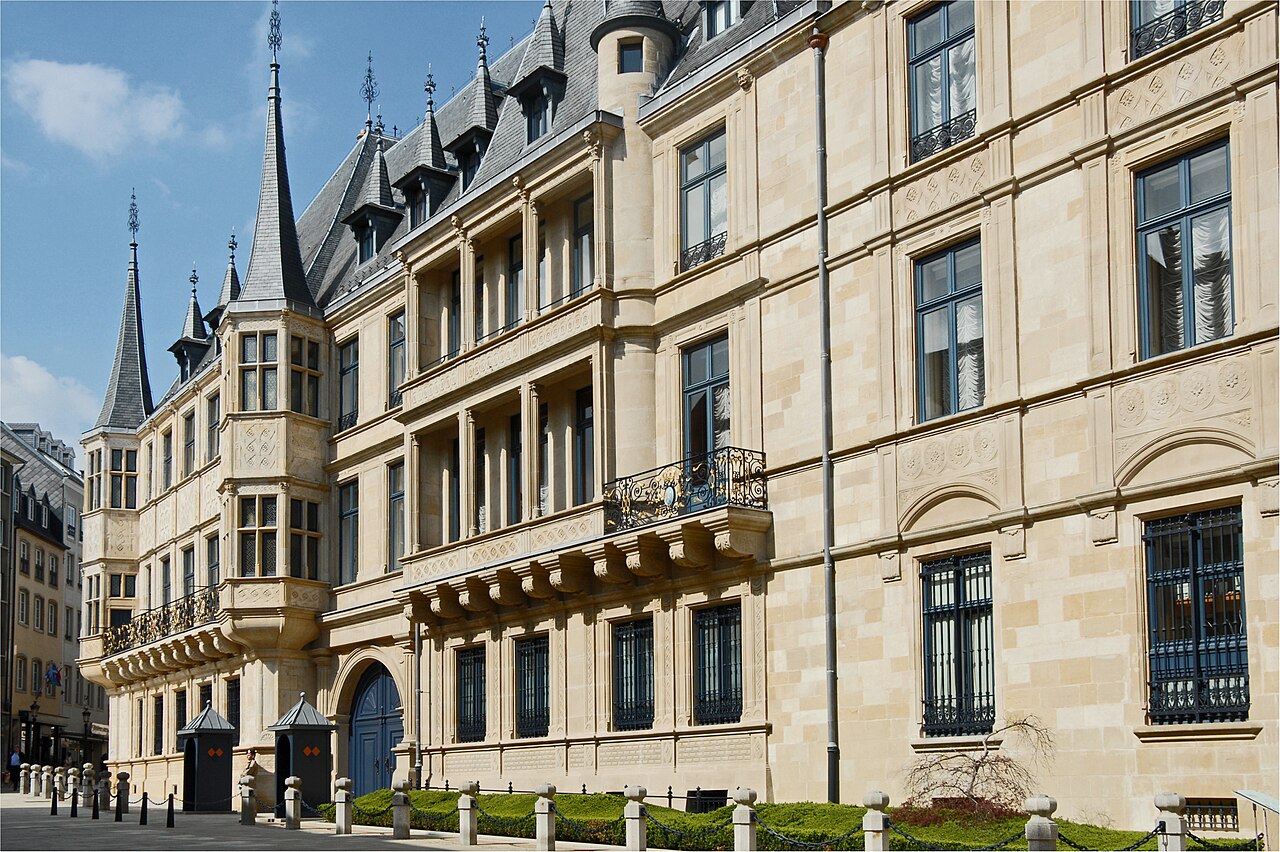
Key attractions include the fortified Old Quarter and its casemates, historic squares and churches, museums and green spaces. The layering of defensive architecture, narrow streets and terraces gives the city a compact historic core that is popular with visitors. Cultural life mixes local traditions with festivals, galleries and cuisine that draw on Luxembourg's multilingual, multicultural population.
Transport and people
Luxembourg City is a regional transport hub with road, rail and air connections to neighbouring countries and cities. Its population is internationally diverse, and many people commute daily from surrounding areas, contributing to a cosmopolitan urban character. The city balances heritage conservation with modern urban planning and continues to evolve as a political, cultural and economic centre.
Questions and answers
Q: What is the official name of the city of Luxembourg in Luxembourgish?
A: The official name of the city of Luxembourg in Luxembourgish is Lëtzebuerg.
Q: What is the official name of the city of Luxembourg in French?
A: The official name of the city of Luxembourg in French is Luxembourg.
Q: What is the official name of the city of Luxembourg in German?
A: The official name of the city of Luxembourg in German is Luxemburg.
Q: What is the city of Luxembourg known as in Luxembourgish?
A: The city of Luxembourg is known as Stad Lëtzebuerg in Luxembourgish.
Q: What is the city of Luxembourg known as in French?
A: The city of Luxembourg is known as Ville de Luxembourg in French.
Q: What is the city of Luxembourg known as in German?
A: The city of Luxembourg is known as Stadt Luxemburg in German.
Q: What historic structure can be found in the city of Luxembourg?
A: The Luxembourg Castle, built by the Franks in the Early Middle Ages, can be found in the city of Luxembourg.
Related articles
Author
AlegsaOnline.com Luxembourg City: capital, history and landmarks of the Grand Duchy Leandro Alegsa
URL: https://en.alegsaonline.com/art/60039
Sources
- statistiques.public.lu : "Population by canton and municipality 1821 - 2016"
- vdl.lu : "Histoire de la ville"
- whc.unesco.org : "City of Luxembourg: its Old Quarters and Fortifications"
- vdl.lu : "La ville en chiffres"