
Luís de Camões
Portuguese Renaissance poet known for the epic Os Lusíadas; his work shaped Portuguese literature and national identity during the Age of Discovery.
Luís de Camões (c. 1524 – 10 June 1580) is widely regarded as Portugal's greatest poet. A major figure of the Portuguese Renaissance, he wrote lyric poetry, drama and the epic poem Os Lusíadas, which celebrates the voyages and achievements of Portuguese explorers. Camões's life and verse continue to be central to studies of early modern Iberian literature and of how literature shaped national memory during the Age of Discovery.
Image gallery
10 Images


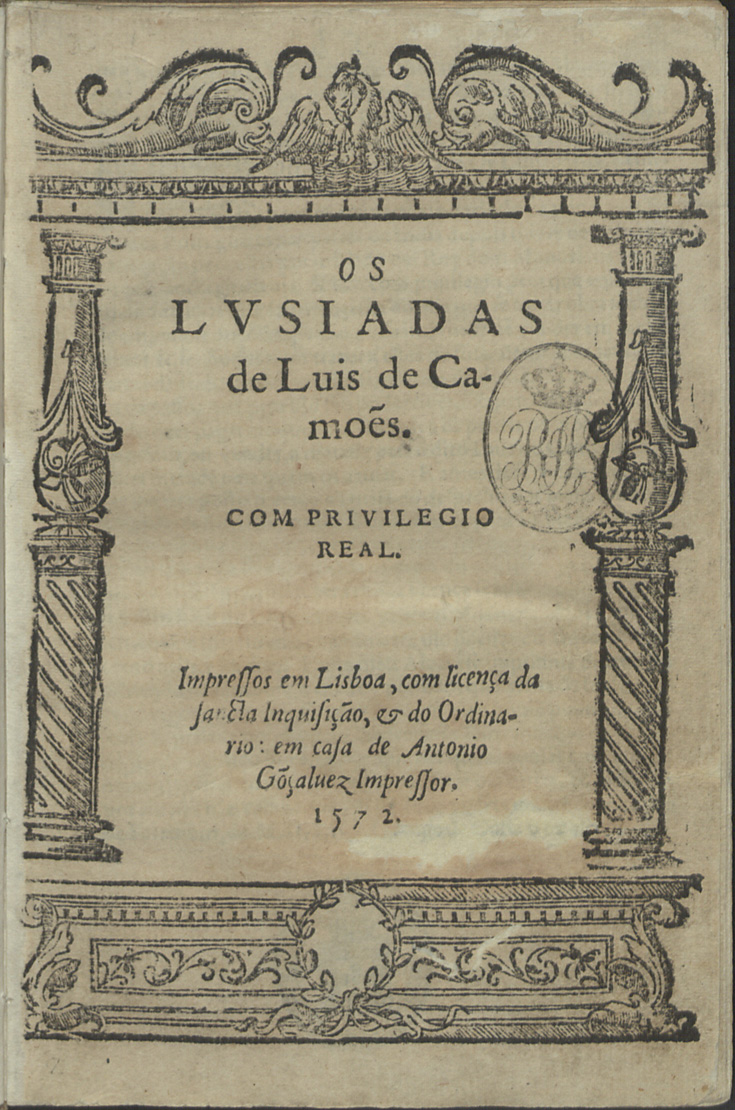
Life and historical context
Born around 1524, Camões lived during a period of rapid maritime expansion by Portugal. Contemporary accounts and later biographies describe him as a soldier, sailor and adventurer who spent time in North Africa and Asia, including Portuguese India. Many episodes associated with his biography — wounds in battle, shipwrecks, captivity and a long absence from Portugal — reflect the turbulent global networks of the sixteenth century and the personal risks faced by those who served imperial ventures.
Major works and themes
Camões wrote in Portuguese and also produced works in Spanish. His best-known composition, Os Lusíadas, is an epic that interweaves myth, history and sea voyage to recount Portuguese explorations and to honor figures such as Vasco da Gama. Beyond celebration, the poem examines human ambition, fate, and the costs of empire. His lyrical poems, often intimate and classical in tone, explore love, exile and mortality.
Style, influence and reception
Camões drew on classical models and contemporary Iberian verse, balancing traditional epic forms with vivid nautical imagery and personal reflection. His language and imagery helped standardize literary Portuguese and provided later writers with a touchstone for national identity. Comparisons with Homer, Virgil, Dante and Shakespeare reflect his standing as a canonical poet, though such parallels are interpretive rather than literal.
Notable facts and legacy
- Os Lusíadas is organized as a long narrative poem in multiple cantos and remains a central work in Portuguese curricula.
- Camões's life inspired many legends; he himself complained that some of his manuscripts were lost or stolen while traveling in Africa and Asia, a claim recorded in contemporary accounts.
- His influence extends to literature, education and public monuments; anniversaries of his death are observed in Portuguese-speaking countries.
Further reading
- Overview of Camões and Portuguese Renaissance literature
- Studies of his lyrical poetry
- Comparative readings: Camões and classical epics
- Critical editions and translations of Os Lusíadas
- Biographical sources and historical background
- Camões in modern criticism
- Accounts of his travels and lost manuscripts
Camões remains a foundational figure for understanding how literature can articulate national aims and human experience during periods of exploration and cultural exchange. His combination of epic ambition and lyrical immediacy keeps his work alive in both scholarly study and popular memory.
Questions and answers
Q: Who was Luís de Camões?
A: Luís de Camões was Portugal's greatest poet who lived from c. 1524 to June 10, 1580.
Q: How does Luís de Camões compare to other famous poets?
A: Luís de Camões has been compared to other famous poets such as Homer, Virgil, Dante, Cervantes, and Shakespeare.
Q: What is Luís de Camões best known for?
A: Luís de Camões is best remembered for his epic work, Os Lusíadas.
Q: What other types of literature did Luís de Camões write?
A: Luís de Camões wrote lyrical poetry in both Portuguese and Spanish, as well as drama.
Q: What happened to Luís de Camões' philosophical work, The Parnasum of Luís Vaz?
A: Luís de Camões' philosophical work, The Parnasum of Luís Vaz, was lost when it was stolen along with part of Os Lusíadas by envious enemies while he was staying at Mozambique.
Q: When did Luís de Camões pass away?
A: Luís de Camões passed away on June 10, 1580.
Q: What is the name of Luís de Camões' epic work?
A: The name of Luís de Camões' epic work is Os Lusíadas.
Related articles
Author
AlegsaOnline.com Luís de Camões Leandro Alegsa
URL: https://en.alegsaonline.com/art/59844
Sources
- wdl.org : "The Lusiads"