
Luciano Pavarotti: life, voice, career, and cultural legacy
Italian tenor Luciano Pavarotti (1935–2007), famed for his radiant high notes, international concerts, the Three Tenors, and humanitarian concerts that widened opera’s audience.
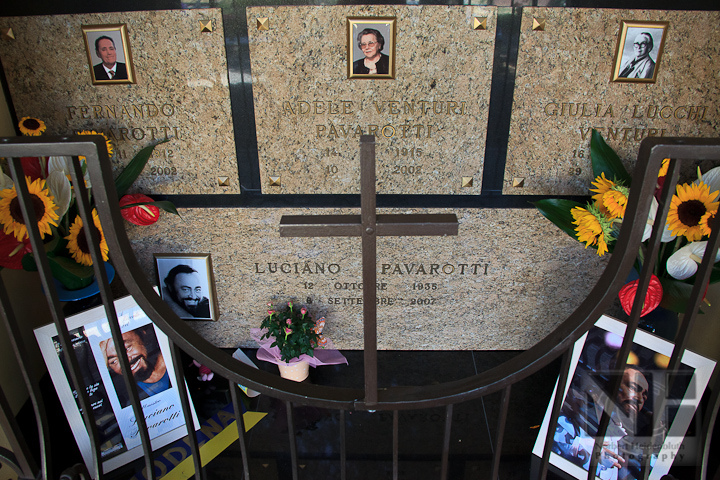
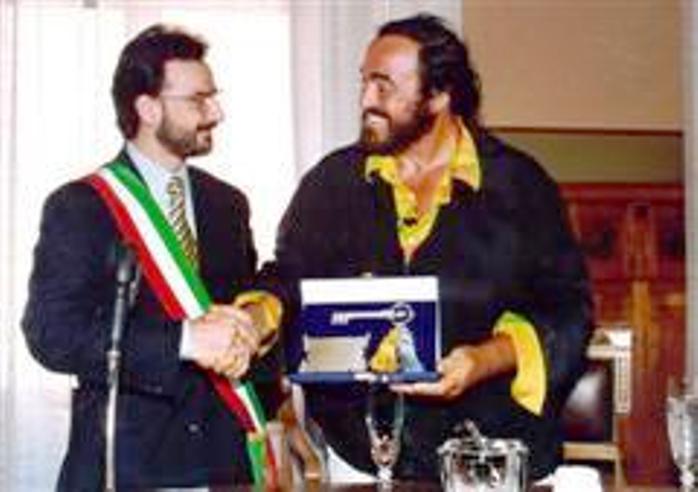
Luciano Pavarotti (12 October 1935 – 6 September 2007) was an Italian operatic tenor whose bright, ringing upper register and accessible public presence made him one of the best-known classical singers of the 20th century. He combined a career on opera stages with popular concert appearances, worldwide recordings and televised events that brought operatic repertoire to mass audiences. He received numerous honors in Italy, including the title Cavaliere di Gran Croce.
Image gallery
10 Images




Voice and repertoire
Pavarotti’s voice is often described as a lyric tenor with a shimmering top, capable of a thrilling high C and a warm, resonant middle range. He excelled in Italian repertory—particularly arias by Verdi and Puccini—and was celebrated for the clarity of his tone and the apparent ease of his upper register. Critics and listeners valued both his vocal gifts and his musical phrasing, while some later commentators discussed how his popularity shaped expectations of operatic performance for a broad public.
Career highlights and development
Born in Modena, Italy, Pavarotti trained in voice and began attracting attention in the late 1950s and early 1960s. He established a presence in major opera houses and recording studios, and his career soon became international. A pivotal moment for his mainstream fame came when he performed the aria Nessun dorma from Puccini’s Turandot at the 1990 World Cup opening festivities, an appearance that introduced millions to his artistry during the 1990 FIFA World Cup.
- Early operatic success brought regular engagements at leading houses.
- He made numerous studio recordings that remain reference points for many listeners.
- Collaborations with other renowned singers and conductors broadened his impact.
The Three Tenors and crossover fame
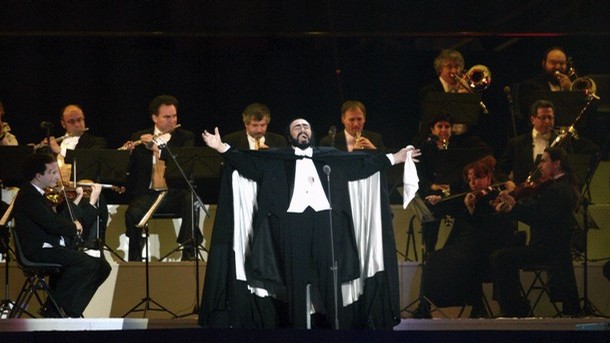
Pavarotti formed a famous trio with Plácido Domingo and José Carreras, an ensemble commonly known as the "Three Tenors." Their concerts, televised and recorded, mixed operatic arias, popular songs and encores, attracting audiences who would not normally attend opera. Beyond that group, Pavarotti took part in crossover projects and concerts with popular musicians, which further expanded the reach of his voice.
Philanthropy and public role
Alongside performance, Pavarotti organized and took part in high-profile charitable activities. His benefit concerts—often titled Pavarotti & Friends—brought together international stars to raise money for humanitarian causes. Over decades he was publicly associated with efforts supporting the refugees and donated proceeds to relief organizations, earning recognition for his charity work.
Legacy and notable facts
Pavarotti’s combination of vocal gifts, media savvy and a willingness to reach audiences beyond the concert hall contributed to a new model of classical stardom. He left a large catalogue of recordings and filmed performances that continue to introduce listeners to opera. While debate about artistic versus popular approaches to opera persists, his role in popularizing the art form is widely acknowledged. For further reading on his honors and detailed chronology, see sources listed under his official recognitions and biographies (tenor profile, opera resources).
For contextual information about his collaborations and public appearances, consult dedicated biographies and archival recordings related to the three-tenor concerts and the World Cup performance, which remain landmarks in late 20th-century classical crossover history.
Questions and answers
Q: Who was Luciano Pavarotti?
A: Luciano Pavarotti was an Italian tenor and one of the most popular contemporary vocal performers in the world.
Q: What kind of music did Luciano Pavarotti sing?
A: Luciano Pavarotti not only sang in opera, but also in other kinds of music.
Q: Who were the other two "Three Tenors" besides Luciano Pavarotti?
A: The other two "Three Tenors" were Plácido Domingo and José Carreras.
Q: What made Luciano Pavarotti enormously popular?
A: Luciano Pavarotti became enormously popular after a performance of the aria Nessun Dorma from Puccini’s opera Turandot for the opening ceremony of the 1990 FIFA World Cup in Italy.
Q: Why was Luciano Pavarotti also well known?
A: Luciano Pavarotti was also well known for his award-winning charity work for raising money on behalf of refugees and the Red Cross.
Q: What was Luciano Pavarotti's full name?
A: Luciano Pavarotti's full name was Luciano Pavarotti Cavaliere di Gran Croce OMRI.
Q: When was Luciano Pavarotti born and when did he die?
A: Luciano Pavarotti was born on October 12, 1935 and he died on September 6, 2007.
Related articles
Author
AlegsaOnline.com Luciano Pavarotti: life, voice, career, and cultural legacy Leandro Alegsa
URL: https://en.alegsaonline.com/art/59712
Sources
- cnn.com : "Tenor Luciano Pavarotti dead at 71" on cnn.com, 6 September 2007
- smh.com.au : Pavarotti dead at 71: manager
- webcastr.com : "Pavarotti Dead At Age 71"