
Lower Triassic Epoch
The Lower Triassic: the earliest epoch of the Triassic Period, beginning after the Permian–Triassic extinction and marked by continental red beds, arid environments, and a slow biological recovery.
Overview
The Lower Triassic is the earliest epoch of the Triassic period, representing the first of three epochs within that interval. It spans roughly from 252.2 to about 247.2 million years ago and forms the base of the Mesozoic era in many chronostratigraphic schemes. The epoch directly follows the catastrophic Permian–Triassic extinction event, the largest mass extinction recorded in Earth history, and preserves sedimentary and fossil evidence of early Mesozoic environments and biotic recovery.
Image gallery
10 Images
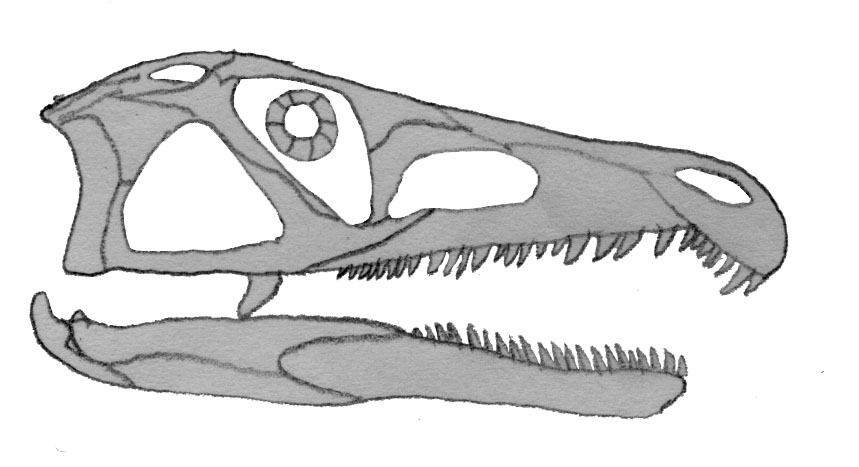

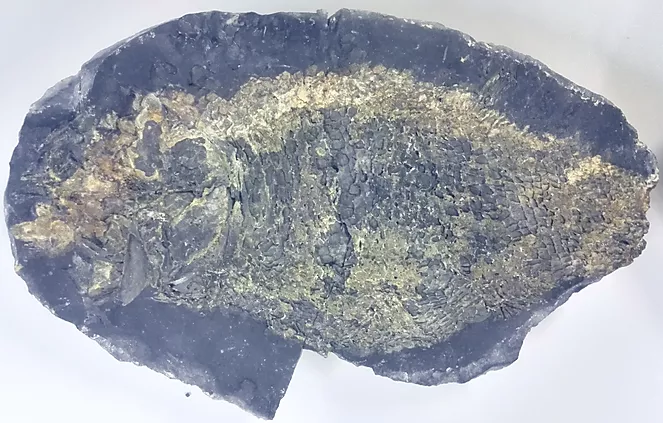


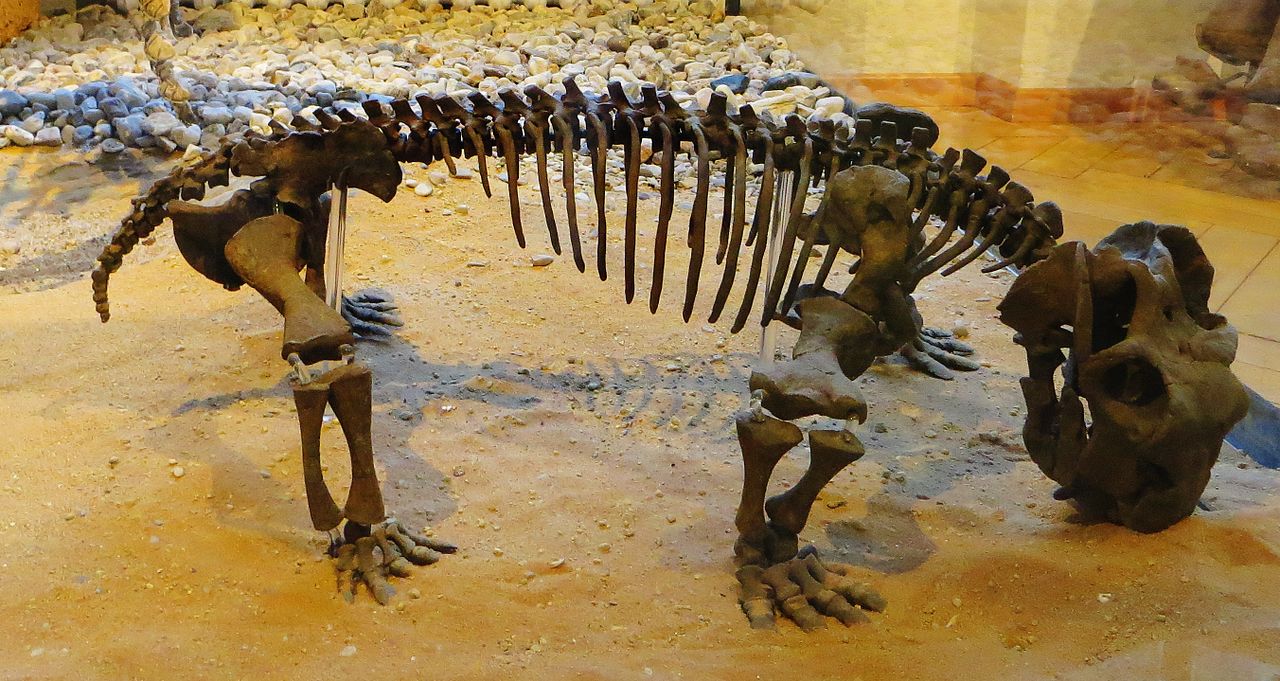

Stratigraphy and lithology
Historically the Lower Triassic was often referred to as the Scythian stage in older literature. In many continental sequences, particularly across Europe and parts of Pangea, Lower Triassic deposits are dominated by coarse clastic rocks such as sandstone. These units are typically described as a lithostratigraphic collection of continental red beds that accumulated under broadly arid or semi-arid desert conditions. Red coloration reflects oxidation of iron in terrestrial sediments and is a diagnostic feature in many outcrops used for regional correlation.
Environment and deposition
The Lower Triassic world was dominated by the supercontinent Pangaea, which produced extensive interior basins subject to seasonal extremes. Sedimentary facies commonly include windblown (aeolian) dunes, fluvial conglomerates and sandstones, and playa or ephemeral-lake deposits. Marine transgressions were generally limited in many areas during the earliest Triassic, producing a patchy record of coastal and shallow-marine facies intercalated with continental strata in some regions.
Life and recovery
Biological recovery after the end-Permian event was slow and uneven during the Lower Triassic. Fossil assemblages show reduced diversity compared with Permian levels, with surviving taxa and newly emerging groups occupying ecological niches. In marine settings certain invertebrates, such as ammonoids and bivalves, diversified, while on land some amphibians, archosauriform precursors and early reptiles began to become more prominent. The Lower Triassic therefore records a crucial interval of evolutionary experimentation that set the stage for fuller Mesozoic ecosystems in later epochs.
Significance and distinguishing features
- Marks the immediate post-extinction interval and documents recovery patterns.
- Often characterized by extensive red-bed sandstone sequences in continental basins.
- Used widely in stratigraphic correlation because its deposits are widespread and recognizable.
- Differs from the Middle and Upper Triassic by its simpler ecosystems, dominantly continental facies in many regions, and earlier stage fossil assemblages.
Researchers continue to refine Lower Triassic age models, paleoenvironmental reconstructions, and biotic turnover using chemostratigraphy, radiometric dating, and expanded fossil sampling. For baseline stratigraphic definitions and further reading, see regional geological summaries and stratigraphic charts that treat the Triassic subdivision and the transition from the Permian world (see resources linked here: epochs, Triassic, period, Mesozoic, era, Permian–Triassic extinction).
Questions and answers
Q: What is the Lower Triassic?
A: The Lower Triassic is the first of three epochs of the Triassic period.
Q: When did the Lower Triassic start and end?
A: The Lower Triassic lasted from about 252.2 million years ago (mya) to ~247.2 mya.
Q: What is the oldest epoch of the Mesozoic era?
A: The Lower Triassic is the oldest epoch of the Mesozoic era.
Q: What event happened just before the rocks of the Lower Triassic were laid down?
A: The rocks of the Lower Triassic were laid down just after the great Permian–Triassic extinction event.
Q: What is the Scythian stage?
A: The Lower Triassic was called the Scythian stage, which can be found in older literature.
Q: What type of rock makes up most of the Lower Triassic in Europe?
A: In Europe, most of the Lower Triassic is composed of sandstone.
Q: Where were the continental red beds of the Lower Triassic formed?
A: The continental red beds of the Lower Triassic were formed on land under desert conditions.
Related articles
Author
AlegsaOnline.com Lower Triassic Epoch Leandro Alegsa
URL: https://en.alegsaonline.com/art/59608
Sources
- journals.royalsociety.org : "Recovery from the most profound mass extinction of all time"
- doi.org : 10.1098/rspb.2007.1370
- ncbi.nlm.nih.gov : 2596898
- pubmed.ncbi.nlm.nih.gov : 18198148