
Lotus Cars
British manufacturer of lightweight sports and racing cars known for handling, engineering innovation, and motorsport history. Based at RAF Hethel in Norfolk; designs road cars and race cars with a focus on low weight.
Overview
Lotus Cars is a British automaker recognized for producing lightweight, high‑handling sports and racing machines. The firm combines roadgoing models with motorsport engineering to emphasize agility and driver engagement over outright power. The company operates from the former RAF Hethel airfield in East Anglia, which remains its principal design and production campus; the location is often mentioned in connection with the marque's development and testing facilities. RAF Hethel and Norfolk are commonly cited in descriptions of the production site.
Image gallery
10 Images


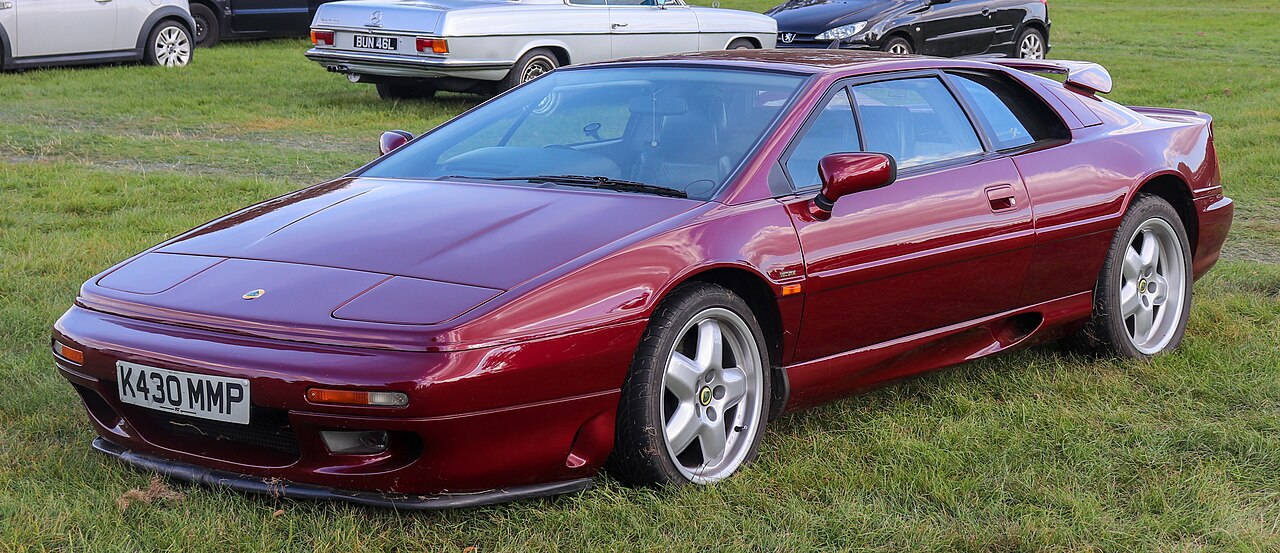


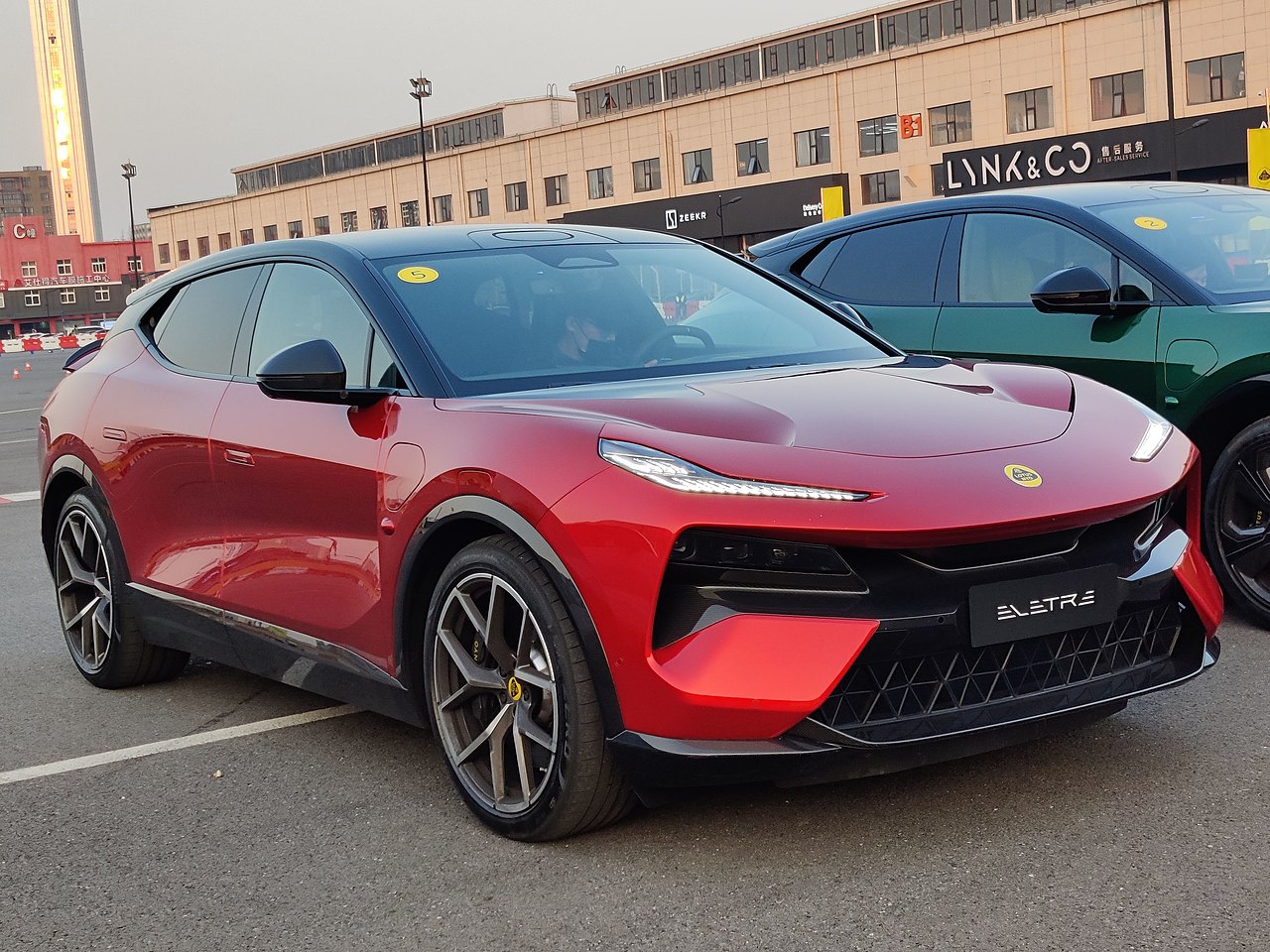
Design philosophy and characteristics
From its early years Lotus has prioritized lightness, simplicity and handling. By keeping weight low and refining chassis, suspension and aerodynamics, the cars deliver nimble responses and strong cornering ability with relatively modest engine outputs. This focus on minimal mass and precise balance is a defining technical trait; reviewers and engineers frequently note how Lotus models feel direct and communicative behind the wheel. The company is associated with both roadgoing sports cars and competition‑oriented racing cars, and its engineering work has often crossed between those worlds.
History and ownership
Lotus was founded and developed under the leadership of Colin Chapman, an engineer whose ideas shaped the brand's approach to vehicle dynamics. Over decades the business evolved through periods of sporting success and financial challenge. Ownership changed several times: after private stewardship it was acquired by major automotive groups and investors, including a period under General Motors, later interests such as Proton and DRB‑HICOM, and more recently investment from global automotive owners. The ethos established by Chapman, emphasizing lightweight construction and innovation, has continued through these transitions.
Models, motorsport and examples
Lotus has produced a range of notable models for road and track. Examples include lightweight two‑seat sports cars and mid‑engine performance coupés. Typical model names are often associated with compact, driver‑focused packaging. Motorsport activity, particularly in single‑seater and endurance categories, has amplified the marque's reputation and fed technical advances back into production models.
- Engineering features: emphasis on low mass, chassis tuning, aerodynamic efficiency, and driver feedback.
- Road examples: compact sports cars and performance coupés designed for agility and responsiveness.
- Racing pedigree: competition cars developed for formula and sports car racing.
Legacy and notable facts
Lotus remains influential in automotive engineering circles for its practical application of lightweight design and handling‑centric setups. Its innovations have influenced vehicle architecture and racecar design beyond the marque itself. The company's long association with both consumer sports cars and professional racing continues to shape its identity in the automotive world, and its sites and products are frequently referenced in discussions of British motorsport heritage and sports‑car engineering. The principle of ‘‘add lightness’’ encapsulates the enduring technical priority at the heart of the brand, and the term lightweight is central to how many enthusiasts and engineers describe Lotus vehicles.
Questions and answers
Q: What type of cars does Lotus Cars build?
A: Lotus Cars builds sports and racing cars.
Q: Where is the company based?
A: Lotus Cars is based at the old site of RAF Hethel, a World War II airfield in Norfolk.
Q: How are the cars designed and built?
A: The cars are designed and built to have a low weight, with good handling capabilities such as quick turning, starting, and stopping.
Q: Who founded and owned Lotus Cars for many years?
A: Colin Chapman founded and owned Lotus Cars for many years.
Q: Who bought it after his death?
A: After Colin Chapman's death, General Motors bought it, then businessman Romano Artioli and DRB-HICOM through its subsidiary Proton.
Q: Who currently owns Lotus Cars?
A: Currently, Chinese multinational Geely owns Lotus Cars.
Related articles
Author
AlegsaOnline.com Lotus Cars Leandro Alegsa
URL: https://en.alegsaonline.com/art/59367
Sources
- lotusespritaddiction.unblog.fr : Lotus Esprit - le grand tourisme à l'anglaise