
Lorenzo de' Medici (Lorenzo il Magnifico) — Florentine statesman and patron
Italian statesman, diplomat, poet and de facto ruler of Florence during the Renaissance, famed for his patronage of artists, support of humanists, and leadership of the Medici household.
Overview
Lorenzo de' Medici (1 January 1449 – 9 April 1492), commonly known as Lorenzo il Magnifico, was the dominant political and cultural figure in Florence in the late 15th century. Though he held no formal monarchical title, he exercised authority as the de facto ruler of the Florentine Republic. Operating as a statesman and financier, Lorenzo combined public influence with private leadership of the Medici household to shape civic life during the Italian Renaissance.
Image gallery
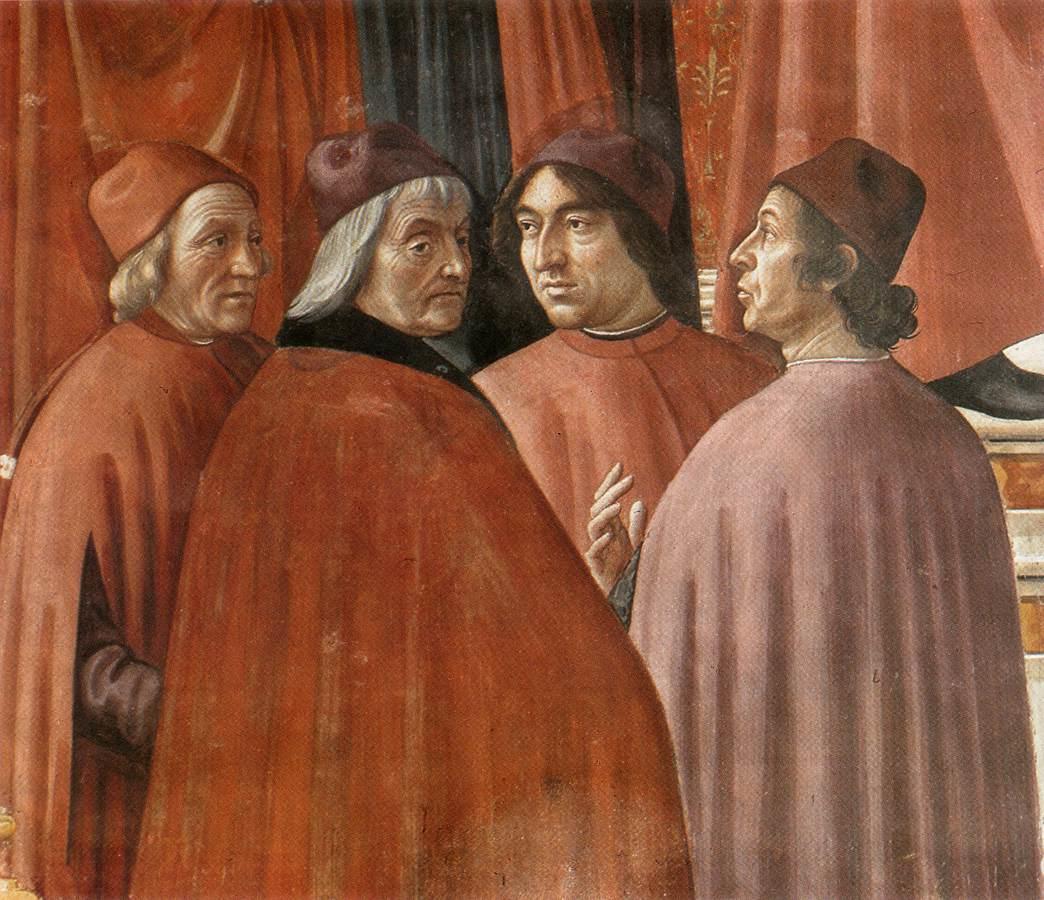
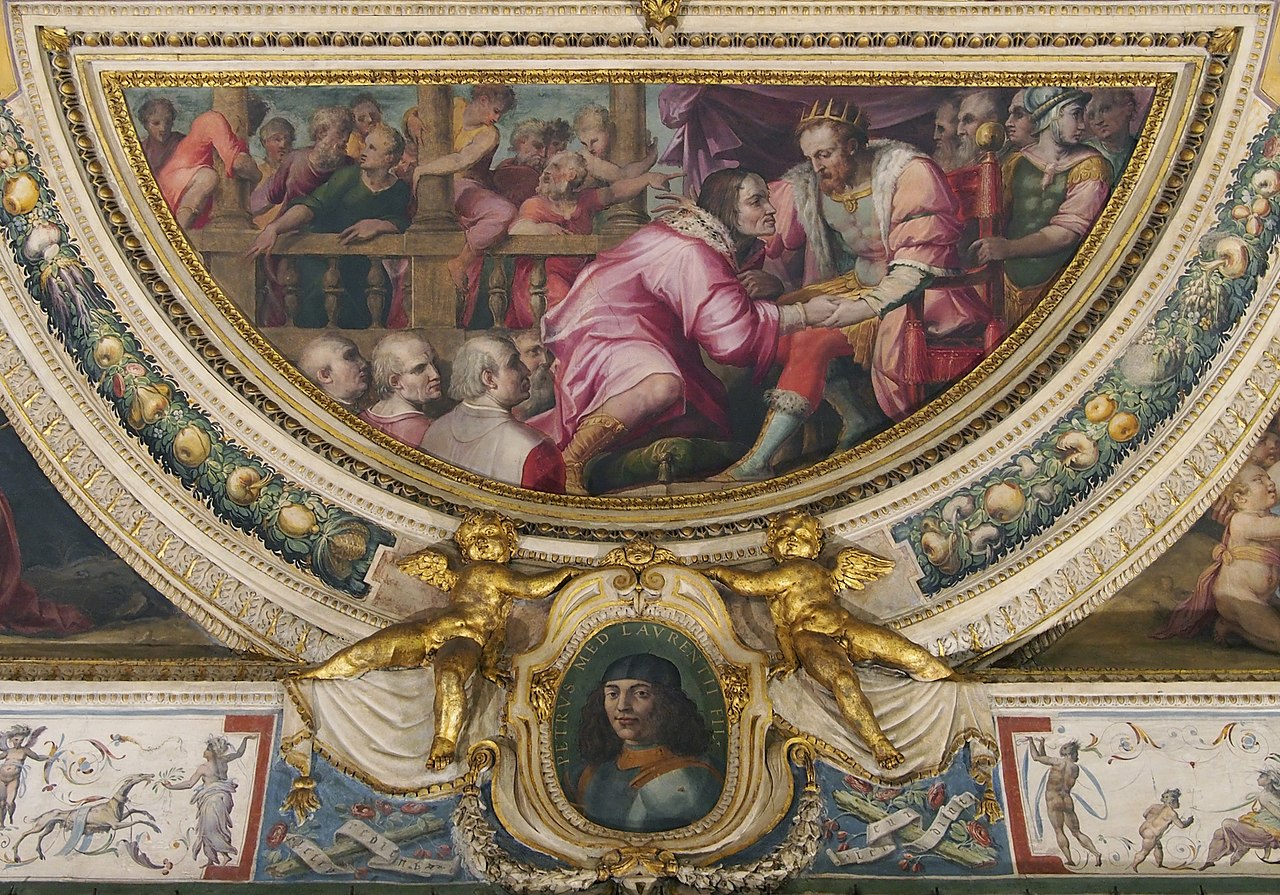
10 Images




Politics and diplomacy
Lorenzo's rule rested on a mixture of diplomacy, family networks and financial power. As a seasoned politician, he negotiated alliances across Italy, using marriage ties and mediation to defuse conflicts among competing city-states. His skillful maneuvering helped preserve a fragile balance of power and a period of relative peace, although Florence's independence and stability were always subject to shifting international pressures. The 1478 Pazzi conspiracy—an attempt to overthrow Medici influence—was a dramatic episode that underscored both the risks and limits of his authority.
Patronage, culture and the arts
Where Lorenzo is most widely remembered is his role as a patron. He supported painters, sculptors, architects, scholars and poets, providing commissions and stipends that enabled ambitious cultural projects. He fostered the careers of prominent artists and young talents, encouraged humanist learning, and maintained a courtly environment where literature, philosophy and visual arts flourished. This broad commitment to art and letters helped make Florence a leading center of Renaissance creativity.
Personal work and administration
Lorenzo also wrote poetry and correspondence that reflect the humanist tastes of his circle. Administratively he oversaw aspects of Medici banking and household affairs that sustained his political leverage. His blend of cultural sensibility, financial acumen and pragmatic governance made him a model of Renaissance leadership: part patron, part civic leader, part merchant-prince.
Death and legacy
When Lorenzo died in 1492, contemporaries felt the end of an era. His passing removed a central stabilizing figure; within years Florence would endure political upheaval, the temporary exile of the Medici family, and the rise of other religious and political movements. Lorenzo's artistic and intellectual patronage left an enduring imprint on European culture, while his tomb in the Medici funerary complex remains a marked site: the Medici Chapel in Florence contains his burial place and memorials.
Notable facts
- Nickname: often called Lorenzo il Magnifico, a reflection of his reputation as a cultured and generous leader.
- Survived a violent challenge to Medici rule in the Pazzi conspiracy of 1478, though his brother Giuliano was murdered.
- Supported the early career of Michelangelo and other artists who later became central figures of the Renaissance.
- Combined roles: banker, diplomat and cultivated patron—illustrating the era's overlap of commerce and culture.
- Buried in the Medici funerary complex attached to San Lorenzo; his interment is a frequent point of interest for students of Renaissance Florence.
- For further reading on his life and influence see resources marked as biographical studies, diplomatic accounts (statesman), discussions of his de facto rule, the wider Renaissance context, his role as a politician, his ties to leading artists and poets, analyses of his patronage of art, assessments of the period of peace he helped sustain, and details of the Medici Chapel.
Questions and answers
Q: Who was Lorenzo de' Medici?
A: Lorenzo de' Medici was an Italian statesman and de facto ruler of the Florentine Republic during the Italian Renaissance.
Q: What nickname did he receive from Florentines?
A: He was called Lorenzo the Magnificent (Lorenzo il Magnifico) by Florentines.
Q: What is Lorenzo de' Medici known for?
A: He is probably best known for what he gave to the world of art, such as large amounts of money to artists so that they could make very good artwork.
Q: When did Lorenzo de' Medici die?
A: He died on 9 April 1492.
Q: What happened after his death?
A: After his death, the Golden Age of Florence ended and the peace he helped keep between the many Italian states collapsed.
Q: Where is Lorenzo de' Medici buried?
A: He is buried in the Medici Chapel in Florence.
Related articles
Author
AlegsaOnline.com Lorenzo de' Medici (Lorenzo il Magnifico) — Florentine statesman and patron Leandro Alegsa
URL: https://en.alegsaonline.com/art/59240