
London Symphony Orchestra
A concise, balanced overview of the London Symphony Orchestra: its origins, self-governing structure, major conductors, recordings, tours, chorus and notable events from 1904 to the present.
Overview
The London Symphony Orchestra (LSO) is one of the United Kingdom's leading professional orchestras and a prominent ensemble on the international concert scene. Founded in 1904, the orchestra has built a reputation for a broad repertoire that ranges from classical and romantic masterworks to contemporary commissions and film scores. Based in London, the LSO maintains a regular season of concerts, recordings and international tours, and it has played a significant role in British musical life for more than a century.
Image gallery
10 Images




Organization and musical profile
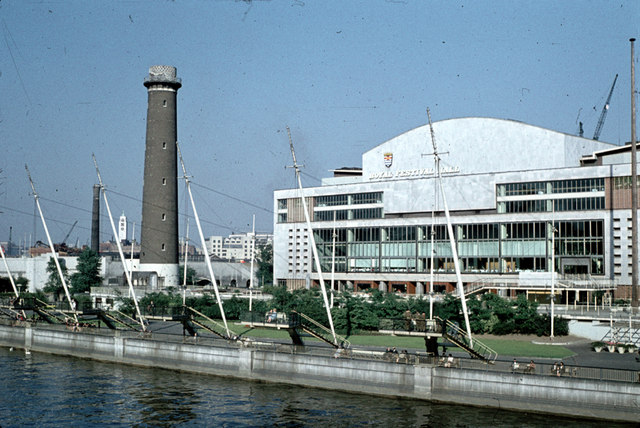
The LSO is notable for its self-governing structure: players have traditionally taken part in decisions about personnel, programming and conditions of work, an arrangement that shaped the orchestra's culture and operations. The ensemble typically performs with a flexible number of musicians to suit repertoire requirements, and it is known for both symphonic and operatic-oratorio performances. Its home concerts are presented in a major London concert hall, and the orchestra also collaborates with visiting conductors, soloists and composers for premieres and special projects.
History and milestones
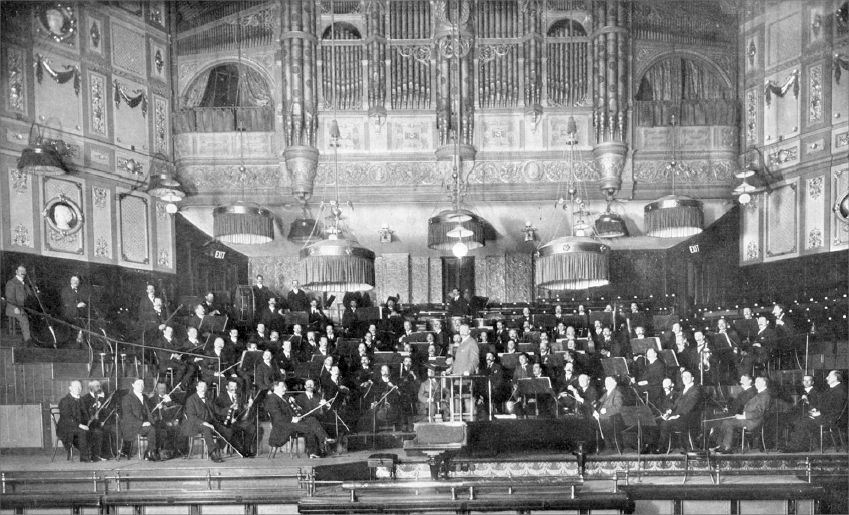
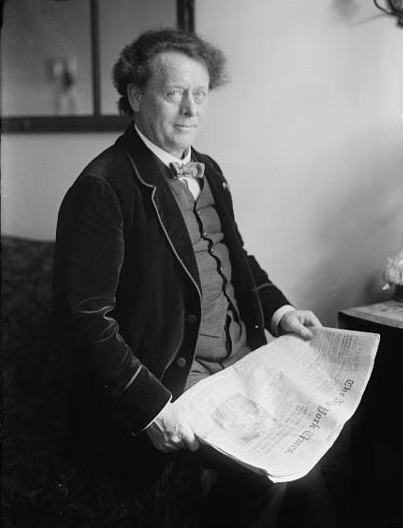
The orchestra was formed in 1904 by a group of players who had previously been associated with other London ensembles. Early leadership included conductors such as Hans Richter and Edward Elgar, and over the decades the LSO has worked with many distinguished conductors and guest maestros. The ensemble became the first British orchestra to tour overseas when it performed in Paris in 1906, and it also undertook early transatlantic tours to North America. A famous near-miss in the orchestra's history occurred in 1912, when members were scheduled to travel on a liner bound for New York but altered their arrangements at short notice and therefore avoided a disaster.
Recordings, broadcasts and outreach
The LSO made its first gramophone recordings in the early 20th century and has amassed a large discography encompassing the core symphonic canon, contemporary works and soundtrack projects. Recordings and broadcasts have extended the orchestra's influence beyond the concert hall, while education and community programmes have sought to engage new audiences and young musicians. The LSO often appears at festivals, collaborates with film composers and participates in educational residencies.
Chorus, personnel and social developments
To perform large choral-symphonic works the London Symphony Chorus was formed and frequently joins the orchestra for major choral repertoire. Historically the orchestra reflected social attitudes of its times: for many years it was slower than some ensembles to admit female players, but in later decades it opened membership broadly and now includes musicians of diverse backgrounds. Leadership roles have included principal conductors, guest conductors and honorary titles; the orchestra's concertmaster (leader) and artistic staff also play key roles in shaping performance standards.
Significance and distinctive facts
The LSO is widely recognised for its combination of tradition and innovation: it sustains a core symphonic identity while commissioning new works and engaging with contemporary culture, including cinema. Its long list of collaborators, recordings and tours has made it one of the best-known British orchestras worldwide. The ensemble's history of self-governance, notable tours and a substantial recording legacy are among the aspects that distinguish it within the orchestral world.
Further links
- LSO information page 1
- LSO background resource
- City and venue overview
- Home concert-hall reference
- Early international engagements
- Timeline highlights
- Associated conductors and leaders
- Contemporaneous orchestras
- Historical working practices
- Rehearsal and performance norms
- Concert archives
- Biographical material on early conductors
- Conducting and leadership
- Composer associations
- Principal conductor profiles
- Conductor laureate information
- Guest conductor notes
- Co-principal guest conductors
- Role of the concertmaster (leader)
- Current and past leaders
- Notable historical events
- Travel and touring history
- International engagements in the Americas
- North American tours and reviews
- Canadian performances and visits
- Recording history and discography
Questions and answers
Q: What is the London Symphony Orchestra?
A: The London Symphony Orchestra (LSO) is a British orchestra that is one of the most famous orchestras in the world. It is based in London's Barbican Centre and often tours to many other countries.
Q: When did the LSO start?
A: The LSO started in 1904 when most of its players were members of Henry Wood's Queen's Hall orchestra.
Q: Who was the first conductor of the LSO?
A: Hans Richter was the first conductor of the LSO, and he held this position until 1911 when Edward Elgar took over for a year.
Q: Who are some notable conductors who have worked with the LSO?
A: Some of the most famous conductors in the world have conducted with or been associated with the LSO, including Valery Gergiev (Principal Conductor since 2007), André Previn (Conductor Laureate), Daniel Harding (co-principal guest conductor), Michael Tilson Thomas (co-principal guest conductor), Richard Hickox (Associate Guest Conductor) and Gordan Nikolitch (leader).
Q: How did nearly all members of the orchestra avoid death on board Titanic?
A: All members of the orchestra avoided death on board Titanic because they changed their booking at last minute and didn't end up sailing on it.
Q: When did women become allowed to join as members?
A: Women were not allowed to become members until much later, as it was thought that their presence would affect sound quality negatively. However, women eventually became allowed to join as members at an unspecified time.
Q: What was one early accomplishment made by LSO?
A: One early accomplishment made by LSO was that they were first British orchestra to play overseas when they went to Paris in 1906 and also toured United States and Canada that same year.
Related articles
Author
AlegsaOnline.com London Symphony Orchestra Leandro Alegsa
URL: https://en.alegsaonline.com/art/59049