
London Philharmonic Orchestra (LPO)
Overview of the London Philharmonic Orchestra: founding, development, notable conductors, residencies, repertoire, recordings, wartime history, education work and role in British musical life.
The London Philharmonic Orchestra (LPO) is one of the United Kingdom’s leading symphony orchestras, known for its wide-ranging concert repertoire, opera collaborations, international touring and recording activity. Based in London, the LPO has been associated with major concert halls and festivals and has a long history that reflects both artistic ambition and periods of organisational change. Its work spans classical and romantic repertoire, contemporary commissions, film and media projects, educational outreach and community engagement.
Image gallery
10 Images





Founding and early years
The orchestra was founded in 1932 by Sir Thomas Beecham, who brought together a nucleus of professional players and conducted the ensemble in its inaugural season. The LPO gave its first public concert in 1932 at the Queen's Hall and quickly established a reputation for high-quality performances and recordings. Early collaborators included prominent conductors and soloists of the day; an early notable event featured the young violinist Yehudi Menuhin performing with Edward Elgar conducting his own concerto.
Self-governance and wartime activity
Financial difficulties in 1939 prompted a change to a self-governing model, placing responsibility for many administrative and artistic choices in the hands of the players themselves. This arrangement made the LPO similar in structure to other British orchestras that combined professional standards with collective decision-making. During the Second World War the orchestra toured extensively in Britain, bringing live music to communities affected by bombing and dislocation. The destruction of the Queen's Hall by bombing in 1941 damaged instruments and rehearsal facilities, but public appeals and donations helped the orchestra recover and continue its work in the postwar years.
Postwar period and principal conductors
After the war Sir Thomas Beecham briefly returned but then departed to found another ensemble. The LPO continued under a succession of distinguished conductors who helped shape its sound and repertoire. Sir Adrian Boult served with close ties to the orchestra in the mid-20th century and later held an honorary role. William Steinberg, Bernard Haitink and Sir Georg Solti are among the conductors who led the orchestra through periods of artistic consolidation. In the 21st century Vladimir Jurowski has served as principal conductor and extended the ensemble’s recorded output and international presence. Throughout its history the orchestra has balanced guest conductors, long-term music directors and collaborative leadership to develop a broad and flexible profile.
Residencies, opera and festivals
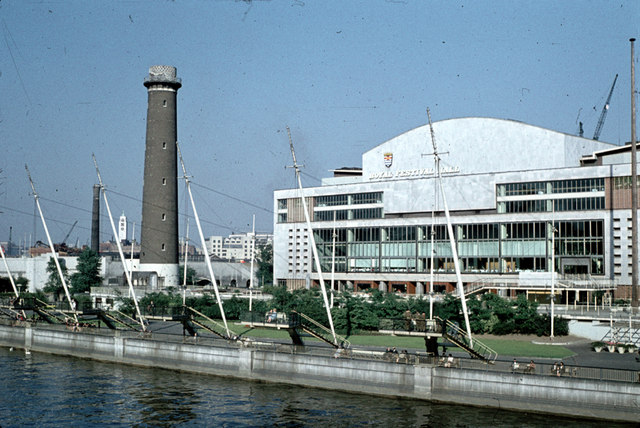
The LPO has been resident in prominent London venues and has had long-standing festival and operatic associations. It is closely linked to the Royal Festival Hall as a principal London base, and since the 1960s the orchestra has been associated with the Glyndebourne Festival Opera as a summer resident ensemble. These residencies have enabled the LPO to combine operatic pit work with symphonic seasons, offering players and audiences a mixture of staged opera, concert performances and festival projects.
Recordings, tours and contemporary work
Recording has been a significant strand of the LPO’s activity since the mid-20th century, beginning with studio discs made under its early founders and continuing with a broad catalogue covering symphonic repertoire, opera extracts, contemporary commissions and film music. The orchestra tours regularly at home and abroad, performs at major international festivals and takes part in broadcast and media projects. Contemporary music and newly commissioned works have formed part of its programming alongside core repertoire, reflecting an ongoing commitment to present music of different periods and styles.
Education, community and governance
The LPO runs education and outreach programmes designed to develop audiences and support musical learning. These include workshops, schools projects, family concerts and initiatives intended to make orchestral music more accessible. Organizationally, the orchestra has operated various governance models, including the self-governing players’ scheme introduced before the war and later structures combining artistic leadership with administrative management. This flexibility has helped the ensemble adapt to changing financial and cultural circumstances while maintaining professional standards.
Notable conductors and leadership (selection)
- Sir Thomas Beecham – founder and early artistic leader
- Sir Adrian Boult – mid-20th-century association and later honorary roles
- William Steinberg – postwar artistic consolidation
- Bernard Haitink – principal conductor from the late 1960s
- Sir Georg Solti – later 20th-century leadership
- Vladimir Jurowski – principal conductor in the 21st century
Further reading and resources
- Major UK orchestras and institutions
- Context: musical life in the United Kingdom
- Royal Festival Hall and concert venues
- Sir Thomas Beecham and his legacy
- Early concert dates and milestones
- Founding year and chronology
- Queen's Hall and wartime history
- Associate conductors and collaborators
- Notable soloists who performed with the LPO
- Performances of works by Elgar and British repertoire
- Opera partnerships and pit work
- The orchestra during 1939–1945
- Comparisons with other London orchestras
- Role during the Second World War
- Connections to other ensembles founded by Beecham
- Sir Adrian Boult's association with the orchestra
- Later honorary roles and commemorations
- Bernard Haitink and his tenure
- Sir Georg Solti and artistic development
- Vladimir Jurowski and recent leadership
Questions and answers
Q: What is the London Philharmonic Orchestra?
A: The London Philharmonic Orchestra (LPO) is one of the major orchestras of the United Kingdom, based in the Royal Festival Hall in London.
Q: When was it formed?
A: The orchestra was formed in 1932 by Sir Thomas Beecham and played its first concert on October 7, 1932 at the Queen's Hall, London.
Q: Who conducted at early concerts?
A: At one of the orchestra's early concerts in November 1932, Malcolm Sargent was associate conductor and Elgar himself conducted a violin concerto performed by sixteen-year old Yehudi Menuhin.
Q: How did they become self-governing?
A: In 1939 their sponsors stopped giving money to the orchestra so they became a self-governing body which meant that players organized themselves, deciding on their pay, members and music to play.
Q: What happened during WWII?
A: During WWII they went around playing music for people who would not otherwise hear it. Many instruments were destroyed when Queen's Hall was bombed but people donated money for new ones.
Q: Who returned after WWII?
A: After WWII Beecham returned to LPO for eighteen months before leaving to start a new orchestra called Royal Philharmonic.
Q: What other roles has LPO taken on since then? A: Since then LPO has had several guest conductors until Eduard van Beinum was appointed followed by Sir Adrian Boult who stayed until 1956 and became President in 1965. They also became resident orchestra for Glyndebourne Festival Opera in 1964 and continue this today with Vladimir Jurowski as principal conductor since 1967.
Related articles
Author
AlegsaOnline.com London Philharmonic Orchestra (LPO) Leandro Alegsa
URL: https://en.alegsaonline.com/art/59042