
London Array: major offshore wind farm in the Thames Estuary
Overview of the London Array offshore wind farm: location, development, turbines, environmental issues and its significance for UK renewable energy.
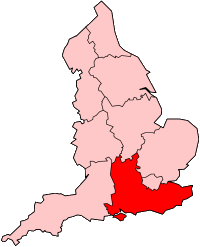
The London Array is a large offshore wind farm in the outer Thames Estuary, sited off the coast of Kent and within reach of the east coast of England. Built in shallow coastal waters, it was one of the largest offshore wind projects in the world when its initial phase was completed. The scheme is a commercial electricity-generating development that uses offshore wind turbines to produce power for the United Kingdom grid and to contribute to national renewable energy targets.
Image gallery
6 Images




Characteristics and components
The completed phase of the project comprises a field of utility-scale offshore machines arrayed across several square kilometres of sea. Turbines installed for the project were supplied by Siemens, and the installation includes the turbines themselves, electrical export cables to shore, and substations to link the site into the wider transmission system. The farm sits near the county of Kent and connects into the British electricity network in the United Kingdom.
History and timeline
Work on the first phase of the London Array began in early 2011 and construction proceeded through foundation, turbine erection and grid connection over the next two years. The project was formally opened in mid-2013 and the opening event was attended by senior government figures, including the Prime Minister at the time, David Cameron, who took part in the ceremony on 4 July 2013. The initial construction phase was the portion that brought the farm into commercial operation; plans for further expansion were considered separately.
Environmental considerations and cancelled expansion
During planning and after commissioning, environmental impacts were a focus of regulators, conservation groups and project partners. Potential effects on seabirds and local ecology were reviewed as part of statutory consents. A proposed second phase of development was ultimately stopped because of concerns about possible harm to migratory and local bird populations. This decision reflects the balance regulators must strike between renewable energy development and wildlife protection.
Uses, importance and legacy
The London Array contributes renewable electricity to homes and businesses, reducing reliance on fossil fuels and helping the UK meet emissions and renewable energy goals. As an early, large-scale offshore development, it provided commercial experience in siting, installation, operations and stakeholder management that has informed later projects. For more technical and historical context see project documentation and governmental reports on offshore wind policy and practice via the developer and industry sources such as project pages and public briefings.
Notable facts and further reading
- At the time of its construction the London Array was one of the largest offshore wind farms in the world.
- Its installation and operation involved partnerships between private developers, contractors and regulators; project announcements and summaries were widely covered in UK media and energy reports (official opening).
- Ongoing monitoring for environmental effects and technical performance continues to inform best practice; further information is available from industry and governmental sources (technical summaries, regional environmental assessments, and sector studies at national repositories).
For additional contemporary updates, project partners and industry bodies provide periodic reports and data; readers can consult developer communications and energy-sector publications through the link references above for in-depth material and the latest operational information.
Questions and answers
Q: Where is the London Array located?
A: The London Array is located near Kent, United Kingdom.
Q: What is the London Array?
A: The London Array is a turbine offshore wind farm.
Q: When did the construction of phase 1 of the London Array wind farm begin?
A: The construction of phase 1 of the London Array wind farm began in March 2011.
Q: When was the London Array wind farm completed?
A: The London Array wind farm was completed by mid 2013.
Q: Who officially opened the London Array wind farm?
A: The Prime Minister of the United Kingdom, David Cameron, officially opened the London Array wind farm.
Q: Why was the second phase of the London Array project cancelled?
A: The second phase of the London Array project was cancelled because it could possibly harm the sea birds.
Q: Who supplied the turbines for the London Array wind farm?
A: Siemens Wind Power supplied the turbines for the London Array wind farm.
Related articles
Author
AlegsaOnline.com London Array: major offshore wind farm in the Thames Estuary Leandro Alegsa
URL: https://en.alegsaonline.com/art/58980
Sources
- windpoweroffshore.com : "London Array breaks offshore production record" · web.archive.org