
Lomonosov (formerly Oranienbaum), Russia
Coastal town near Saint Petersburg noted for the early 18th-century Oranienbaum palace complex, historic glassmaking and horticulture, wartime survival, and as the birthplace of Igor Stravinsky.
Overview
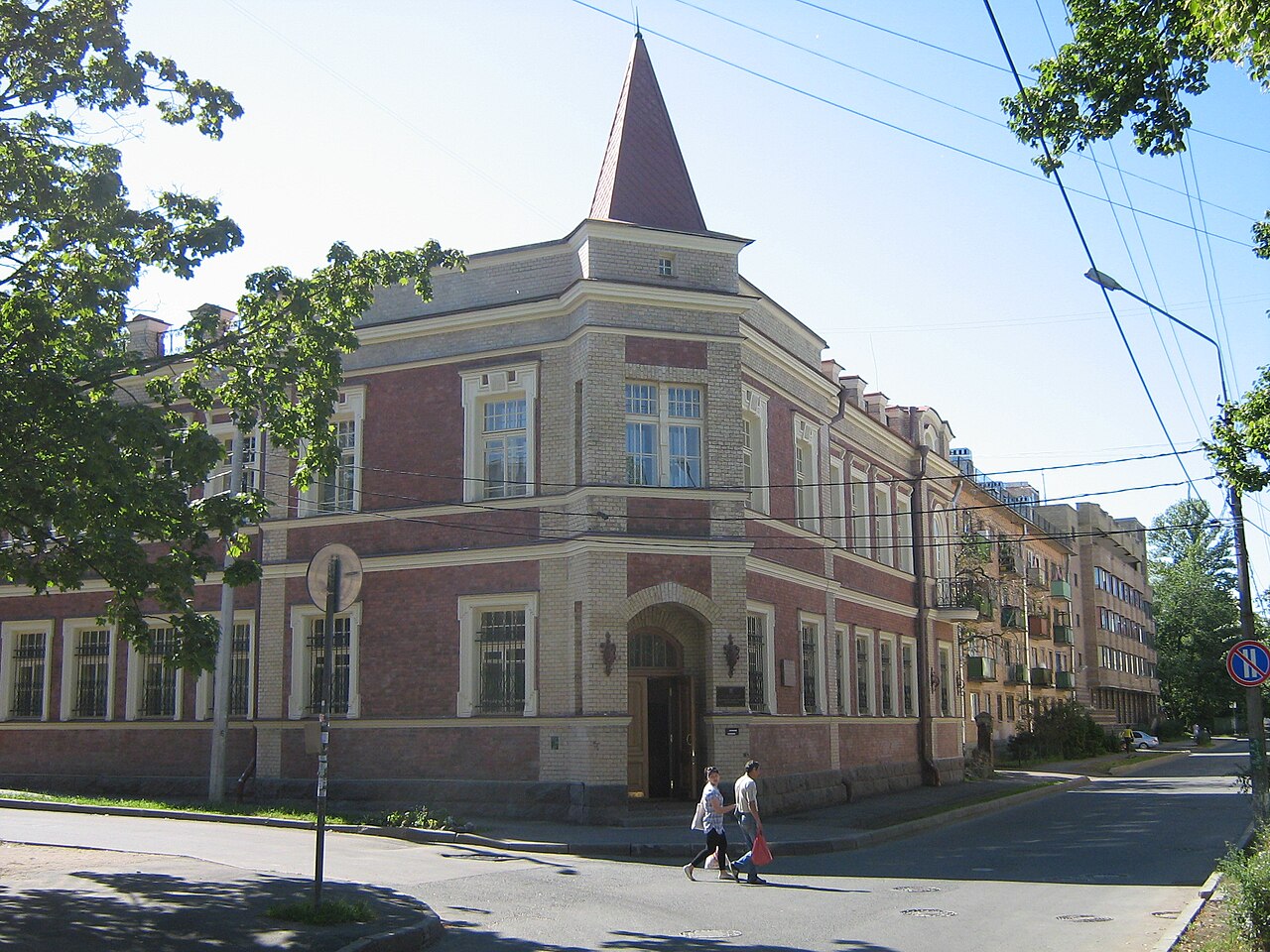
Lomonosov is a coastal town on the southern shore of the Gulf of Finland, close to Saint Petersburg. Long associated with imperial estates and seaside recreation, the town grew around a palace complex and parks that date from the early 18th century. For a quick reference see the location and guide.
Image gallery
8 Images



Name and early development
The town was historically known by its German name Oranienbaum, which literally means "orange tree" and reflects a European fashion for orangery buildings and sheltered greenhouses for exotic plants. These conservatories and horticultural practices were a notable feature of the estate: visitors in earlier centuries wrote about the pleasure gardens and heated glasshouses that kept subtropical species alive through cold winters (name origin; horticulture).
Architecture and crafts
Oranienbaum developed as a center for palace architecture, gardens and associated crafts. Local workshops produced decorative glass and coloured glassware that were well regarded regionally. The craft tradition is part of the town's identity and is sometimes described in studies of Russian decorative arts (glassmaking).
20th century and renaming
After the upheavals of the 20th century the town was given the Russian name Lomonosov in 1948, honouring the scientist and polymath Mikhail Lomonosov. The period around World War II was decisive for the town: unlike many nearby estates, the palace complex remained intact because the area served as a fortified bridgehead and stayed in Soviet hands during the siege of Leningrad (renaming; palace complex; early 18th century context).
Cultural significance and notable residents
Lomonosov has cultural ties beyond architecture. The composer Igor Stravinsky was born here when the town was still known as Oranienbaum; his family’s connection is part of local historical interest (Stravinsky biography; musical heritage). Today the town attracts visitors interested in history, music and imperial-era landscapes.
Visiting and points of interest
- Oranienbaum/Lomonosov palace complex and adjacent parks
- Historic greenhouses and garden layouts reflecting 18th–19th century practices
- Workshops and local museums interpreting glassmaking and decorative arts
While compact, Lomonosov combines seaside scenery with preserved imperial architecture and a layered cultural history that links horticulture, craft and music. For lists of museums and visiting practicalities consult the local guides and archives (visitor information).
Questions and answers
Q: What is Lomonosov?
A: Lomonosov is a town in Russia near St Petersburg.
Q: What was the name of Lomonosov before?
A: The town name used to be Oranienbaum.
Q: What does Oranienbaum mean?
A: Oranienbaum means "Orange tree" in German.
Q: What was Oranienbaum famous for?
A: Oranienbaum was famous for making colored glass and having greenhouses where plants from faraway countries were grown.
Q: When was the town's name changed to Lomonosov?
A: The town's name was changed to Lomonosov in 1948.
Q: Is the old palace still standing in Lomonosov?
A: Yes, the old palace which dates back to the early 18th century, still stands in Lomonosov.
Q: Who was born in Oranienbaum?
A: The famous composer Igor Stravinsky was born in Oranienbaum.
Related articles
Author
AlegsaOnline.com Lomonosov (formerly Oranienbaum), Russia Leandro Alegsa
URL: https://en.alegsaonline.com/art/58965