
Lombards: Germanic people and the early medieval Kingdom of Italy
The Lombards were a Germanic people who established a kingdom in Italy from 568 to 774. They reshaped Italian politics, law and culture and left enduring regional legacies across the peninsula.
Overview
The Lombards were a Germanic people who established a powerful presence on the Italian Peninsula between the late sixth and eighth centuries. In 568 their leader Alboin led a migration into Italy that resulted in the foundation of a Lombard kingdom which endured until its conquest by the Frankish king Charlemagne in 774. Contemporary and later chroniclers preserved much of the group's traditional origin story, social customs and political development.
Image gallery
10 Images


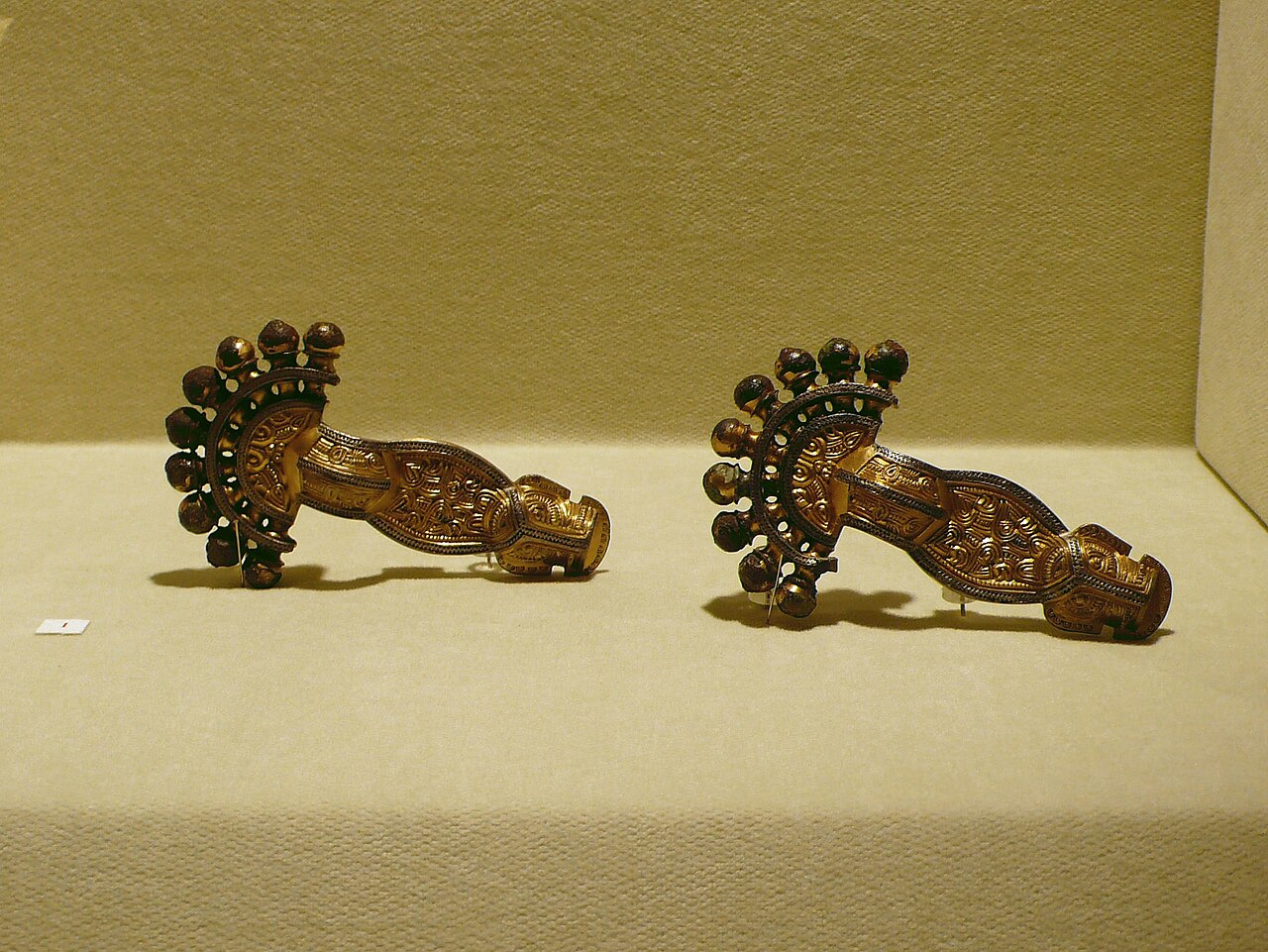


Origins and migration
The Lombards traced their ancestry to regions north of the Danube and, in medieval tradition, to areas of northern Europe; for example the 8th‑century historian Paul the Deacon records a tradition that they came from parts of southern Scandinavia. Before entering Italy they had settled for a period in Pannonia (roughly the western Balkans and eastern Alps). Under the rule of Audoin and his energetic successor Alboin, the Lombards crossed the Alps in 568 and moved rapidly into imperial territories then controlled by the Byzantine Empire.
Society, religion and culture
Lombard society combined Germanic customs with local Roman and Byzantine influences. Early Lombards practiced Germanic paganism, venerating nature and deities like Odin; their name is commonly explained as Langobardi or "long beards," a probable reference to a cultural or symbolic practice among warriors. Over time many Lombards adopted Christianity: some embraced Arian forms of the faith initially, while later generations increasingly followed Nicene (Catholic) practice and integrated into the broader Christian life of Italy.
Kingdom, law and political structure
After 568 the Lombards established a kingdom whose capital became Pavia. The realm combined royal authority with semi-autonomous duchies such as Benevento and Spoleto, which played important roles in southern and central Italy. Lombard kings issued law codes—most famously the Edictum Rothari (mid‑7th century)—that codified customary and written laws for Lombards living in Italy. The kingdom was frequently in conflict with Byzantines in the south and with Frankish powers to the north, culminating in its subjugation by the Frankish king Charlemagne in 774.
Notable leaders and relations
- Germanic people identity and warrior culture under leaders like Audoin and Alboin.
- Interaction and rivalry with the Eastern Roman (Byzantine) authorities and local Italian elites (Italian Peninsula theaters of war and diplomacy).
- Cultural references to an ancestral homeland in southern Scandinavia appear in medieval chronicles.
- Religious change from paganism and hero-cults linked to deities such as Odin to Christian forms, including early Arian Christianity and later acceptance of Nicene Christianity.
- Later military and political encounters with groups such as the Franks and, in southern Italy, the Normans.
Legacy and historical importance
The Lombard period left multiple legacies across Italy: administrative divisions and duchies that influenced medieval regionalism; surviving legal traditions and documents; and artistic and architectural influences that contributed to what is sometimes called Lombard Romanesque. After the fall of the kingdom, Lombard institutions persisted in southern principalities and in local aristocratic customs. Historians view the Lombards as a decisive bridge between late antiquity and the emerging political map of medieval Italy.
Further study and resources
Readers interested in early medieval Italian history, law codes such as the Edictum Rothari, or the migration period may consult specialized histories and source collections. For general context see introductions to the migration period and medieval Italy, which discuss the Lombards alongside other Germanic groups and the changing Mediterranean world.
More on Lombard origins • Lombards in Italy • Traditions of northern origins • Germanic religion • Lombard invasion of Italy • Arianism • Nicene Christianity • Franks and Lombards • Normans and southern Italy
Questions and answers
Q: Who were the Lombards?
A: The Lombards were a Germanic people who ruled most of the Italian Peninsula from 568 to 774.
Q: Where did the Lombards believe they originally came from?
A: The Lombards believed they originally came from southern Scandinavia.
Q: Who did the Lombards worship in ancient times and later?
A: In ancient times, the Lombards worshiped nature, but later they worshiped Odin.
Q: Why did the Lombards become known as "Longobards"?
A: The Lombards grew long beards in honor of Odin and became known as "Longobards" which means "long beards".
Q: Who led the Lombard migration into Italy?
A: Alboin, the son of Audoin, led the Lombard migration into Italy.
Q: What religion did most of the Lombards follow when they first arrived in Italy?
A: When they first arrived in Italy, most of the Lombards still followed their old religion.
Q: Who did the Lombards fight with in later years?
A: In later years, the Lombards fought with the Franks and later the Muslims. The Normans also fought with them between 1017 and 1078 A.D.
Related articles
Author
AlegsaOnline.com Lombards: Germanic people and the early medieval Kingdom of Italy Leandro Alegsa
URL: https://en.alegsaonline.com/art/58953