
Loiret: department of north-central France in Centre-Val de Loire
Loiret is a French department in the Centre-Val de Loire region, named for the Loiret river. It includes Orléans, mixed river valleys, forests and historic towns tied to the Loire Valley and Joan of Arc.
Overview
Loiret is a department administrative division situated in north-central France, forming part of the Centre-Val de Loire region. Its name comes from the Loiret, a small river that rises and runs entirely within the department before joining the great Loire.
Image gallery
8 Images



Geography and environment
The landscape combines the Loire river valley, agricultural plains and significant woodlands. Low-lying meadows and river islands along the Loire create habitats for birds and wetland flora, while extensive forests near Orléans and in the southern parts supply timber and recreation. The Loiret itself is notable as a short tributary contained wholly inside the department (Loiret), flowing to the Loire.
History and heritage
The department was created during the French Revolution from the former province centered on Orléans. Orléans played a prominent role in national history, most famously as the site of the relief led by Joan of Arc in 1429. The Loire Valley’s cultural landscape, including castles and fortified towns, extends into Loiret and forms part of the wider historical identity.
Administration and population
Orléans serves as the prefecture (administrative capital) and the department is organized into several arrondissements and cantons. The city of Orléans is the main urban center; other important towns include Montargis and Pithiviers, which function as subprefectures and local service hubs.
Economy and culture
Agriculture, light manufacturing, logistics and services are important to the local economy. Orléans hosts educational and research institutions that shape a regional knowledge base. Cultural life mixes Loire Valley tourism, local festivals (including commemorations of Joan of Arc), traditional baking such as the pastry associated with Pithiviers, and markets that reflect rural traditions.
Notable places and visiting
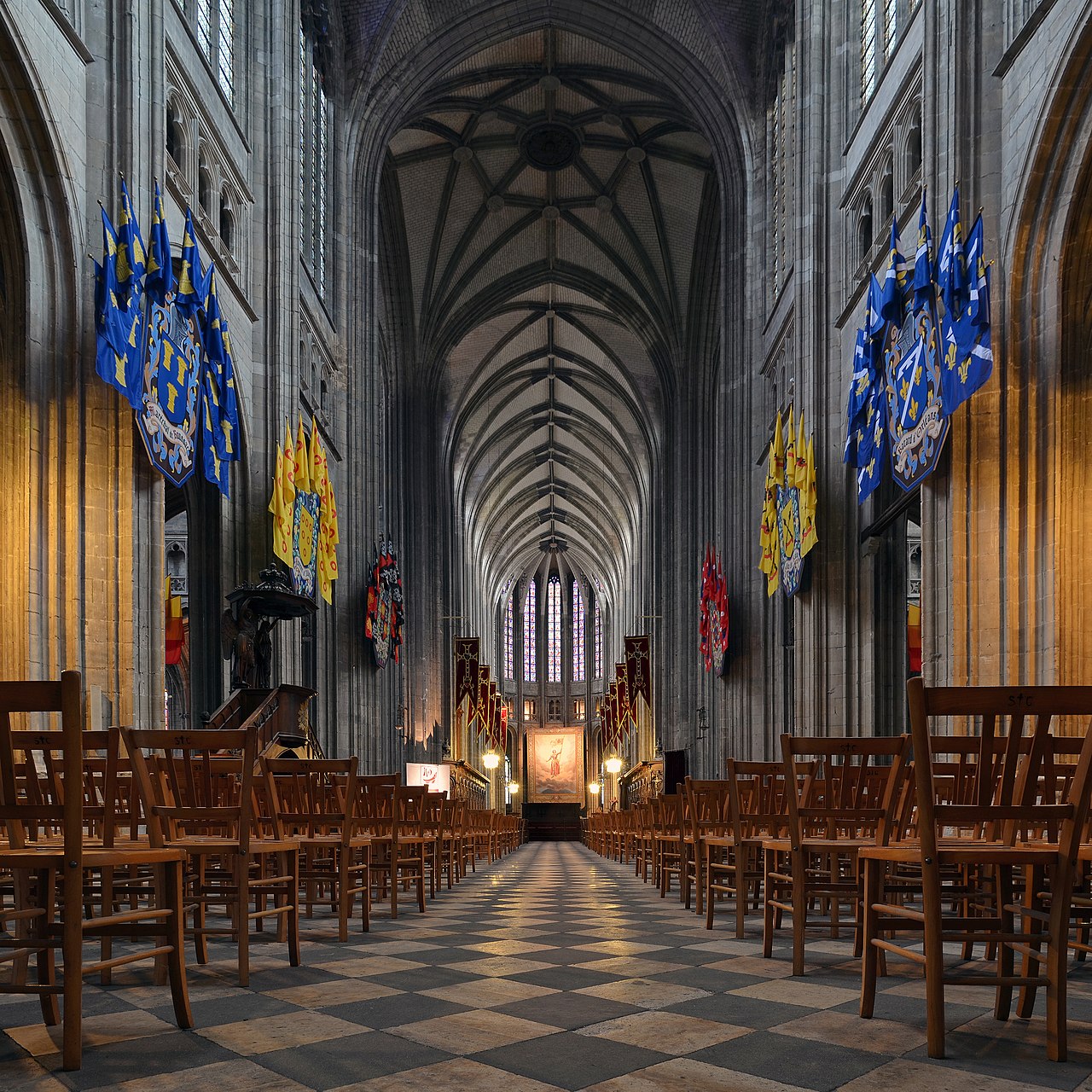
- Orléans: cathedral, historic center and museums offering insight into regional history.
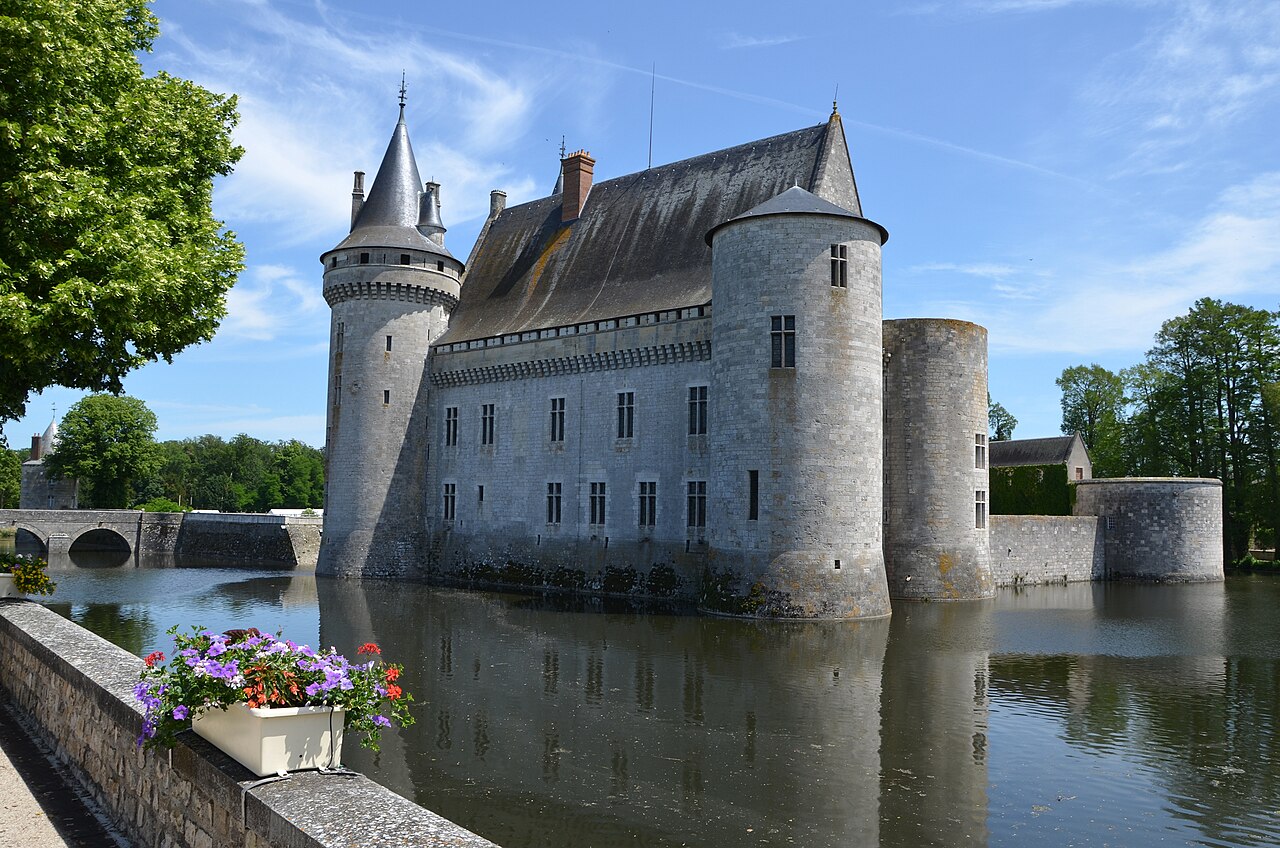
- Sully-sur-Loire and surrounding châteaux that link to the Loire Valley heritage.
- Forêt d'Orléans and other woodlands for hiking and nature observation.
- Market towns such as Pithiviers and canal-lined Montargis, known for local specialties.
Loiret combines riverside scenery, historical towns and natural areas. It acts as a bridge between the agricultural heart of France and the celebrated Loire cultural corridor, making it significant for tourism, heritage and regional identity.
Questions and answers
Q: What is Loiret?
A: Loiret is a department in north-central France in the Centre-Val de Loire region.
Q: What is the department named after?
A: The department is named after the Loiret river, a tributary of Loire that is completely within the department.
Q: Where is its prefecture located?
A: Its prefecture is located in Orléans.
Q: Are there any subprefectures in this area?
A: Yes, there are two subprefectures - Montargis and Pithiviers.
Q: Is the Loiret river completely within this department?
A: Yes, it is.
Q: What region does this department belong to?
A: This department belongs to the Centre-Val de Loire region.
Q: How many subprefectures are there in this area?
A: There are two subprefectures - Montargis and Pithiviers.
Related articles
Author
AlegsaOnline.com Loiret: department of north-central France in Centre-Val de Loire Leandro Alegsa
URL: https://en.alegsaonline.com/art/58907
Sources
- loiret.fr : "Hugues Saury"
- insee.fr : "Département du Loiret (45) - Résumé statistique"
- insee.fr : "Populations légales 2014 des départements et des collectivités d'outre-mer"
- splaf.free.fr : "Historique du Loiret"
- peakbagger.com : "Loiret High Point, France"
- weatherbase.com : "Orleans, France - Köppen Climate Classification"
- insee.fr : "Département du Loiret (45)"
- insee.fr : "Régions, départements, arrondissements, cantons et communes"
- insee.fr : "Département du Loiret (45)"
- legifrance.gouv.fr : "Décret n° 2014-244 du 25 février 2014 portant délimitation des cantons dans le département du Loiret"
- habitants.fr : "Loiret"