
Logan International Airport (BOS) — Boston’s principal airport
General Edward Lawrence Logan International Airport (BOS) is Boston’s main airport, serving domestic and international routes. It handles roughly 27 million passengers, has six runways, and is a major New England economic hub.
Overview
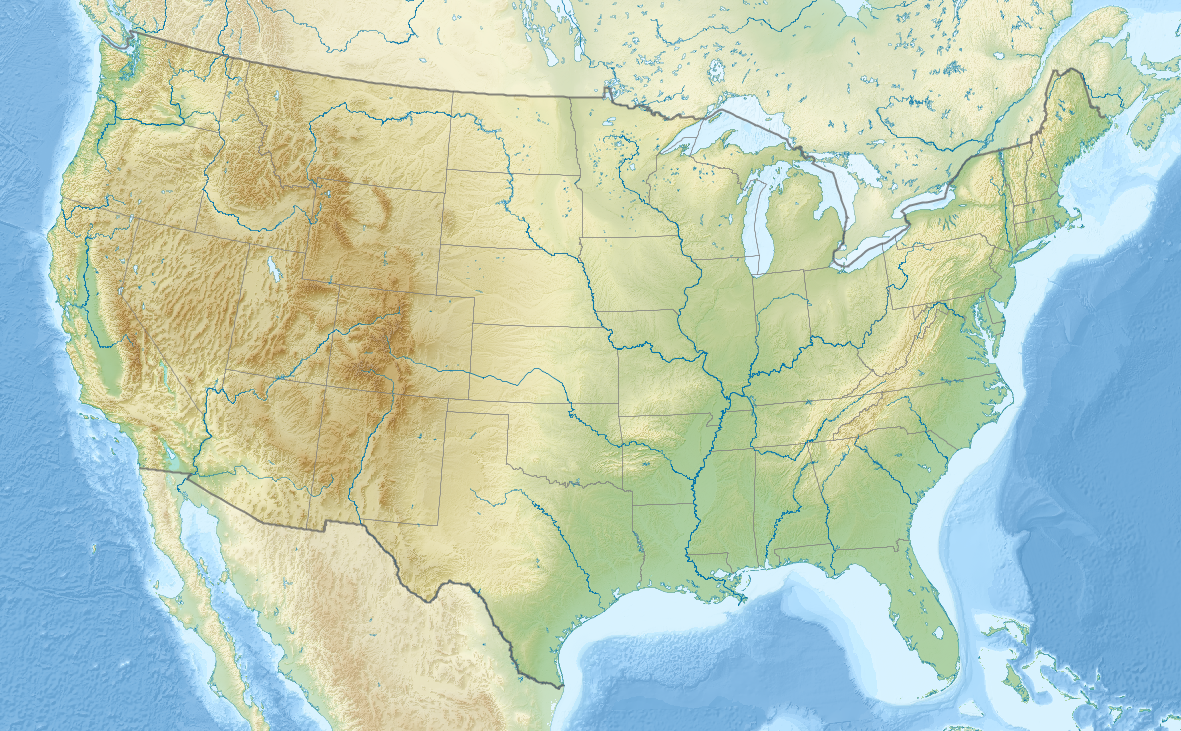
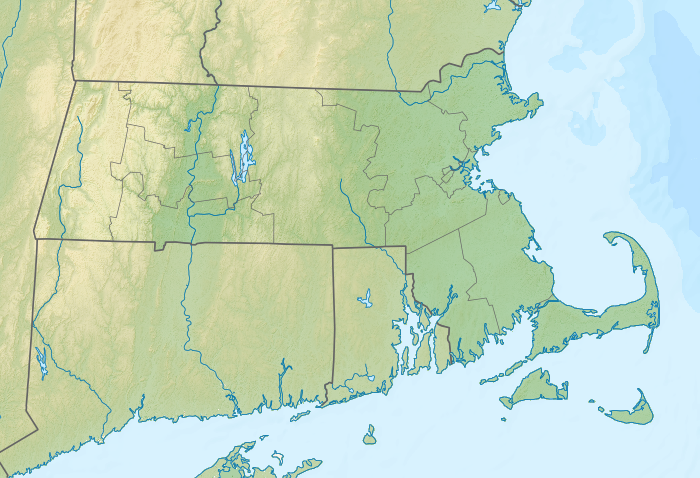
General Edward Lawrence Logan International Airport is the primary air gateway for the Boston area and much of New England. Its IATA designation is BOS and it is also identified by the FAA as BOS. The field lies largely in the East Boston neighborhood of the United States city of Boston, with portions of its grounds extending into the Town of Winthrop. The airport is named for General Edward Lawrence Logan and serves as one of the busiest air hubs in the country, moving roughly 27 million passengers annually and supporting thousands of jobs.
Image gallery
10 Images




Facilities and operations
Logan covers approximately 2,400 acres and operates six runways arranged to handle a mix of commercial, regional and cargo traffic. A distinctive multi-story control tower with paired segmented pylons is a familiar element of the skyline near the waterfront. The airport has multiple passenger terminals, a variety of fixed-base and cargo facilities, and employs an estimated 16,000 people directly or through on-site contractors. Airlines use Logan in different roles: some operate it as a focus city, while others make it a key destination within their global networks. Major carriers with significant operations include American Airlines, Delta Air Lines, US Airways, and JetBlue Airways, alongside regional operators that link smaller New England communities to Boston.
Air service and destinations
Logan supports a broad mix of domestic and international routes. Within North America, regular service connects Boston to cities across the United States and Canada. The airport also handles transatlantic and seasonal flights to Europe and direct services to parts of the Africa, the South America region, the Caribbean and Mexico. Niche services link Logan with destinations such as the Cape Verde Islands, and it hosts flights by several major international carriers including Lufthansa, British Airways, Norwegian Air Shuttle, and Air France. In the early 2010s some carriers reintroduced or expanded long-haul routes that restored direct connections between Boston and parts of Asia; for example, Japan Airlines began service to Tokyo, improving transpacific access.
Ground access and passenger services
Passengers reach Logan by a mix of public transit, shuttle services, road links and water routes. The airport is served by the metropolitan transit system and rapid bus links to downtown, fixed-route airport shuttles and express services to several regional cities. Taxis, ride-hailing, rental cars and private shuttles provide additional options. On-site facilities include ticketing and baggage services, security checkpoints, airline lounges and international arrivals processing. Cargo, general aviation and regional commuter services are handled in dedicated areas separated from mainline terminals.
History, development and economic role
Logan developed over many decades from a small municipal field into a large international airport through a series of expansions and infrastructure projects, some of which required filling tidelands and reconfiguring the shoreline. It has grown to become a major economic engine for New England. Studies and public reporting have attributed several billion dollars per year of regional economic activity to the airport and related industries; in earlier reporting the airport was credited with stimulating over $7 billion in economic activity and generating hundreds of millions in taxes, including an estimated $559.4 million in state and local taxes in a recent measurement year.
Notable facts and operational context
- Traffic and rankings: Logan has ranked among the top U.S. airports for aircraft movements and international traffic in various years, reflecting its role as a gateway for both domestic and overseas travel.
- Runways and environment: Its multiple runways and waterfront siting allow flexible operations but also require careful weather and noise management, particularly during winter storms and peak holiday periods.
- Community and planning: Airport expansion and operations have been balanced against local land use, transportation planning and environmental review processes to address impacts on neighboring communities.
- Airline mix: The airport supports a blend of legacy carriers, low-cost airlines and regional operators, and remains a destination for transatlantic services and growing seasonal long-haul routes.
For travelers and planners alike, Logan remains central to Boston’s connectivity. Its combination of passenger volumes, international destinations and ground-transport links make it a key infrastructure asset for the city and the wider New England region.
Relevant links and references: IATA code, FAA identifier, East Boston, United States, Winthrop, focus city designation, American Airlines, Delta Air Lines, US Airways, JetBlue Airways, Canada, Cape Verde, Caribbean, Europe, Mexico, Lufthansa, British Airways, Norwegian Air Shuttle, Air France, Africa, South America, Japan Airlines, Tokyo, Asia, tax impact.
Questions and answers
Q: What is the IATA code for General Edward Lawrence Logan International Airport?
A: The IATA code for General Edward Lawrence Logan International Airport is BOS.
Q: What is the ICAO code for General Edward Lawrence Logan International Airport?
A: The ICAO code for General Edward Lawrence Logan International Airport is KBOS.
Q: What is the FAA LID of General Edward Lawrence Logan International Airport?
A: The FAA LID of General Edward Lawrence Logan International Airport is BOS.
Q: How many passengers does the airport serve each year?
A: The airport serves over 27 million passengers a year.
Q: Which airlines are based at the airport?
A: American Airlines, Delta Air Lines, US Airways, and JetBlue Airways are based at the airport.
Q: How many runways does it have?
A: It has six runways.
Q: Does Japan Airlines operate flights to Tokyo from this airport? A: Yes, Japan Airlines operates flights to Tokyo from this airport since 2012 with great success.
Related articles
Author
AlegsaOnline.com Logan International Airport (BOS) — Boston’s principal airport Leandro Alegsa
URL: https://en.alegsaonline.com/art/58841
Sources
- massport.com : Boston-Logan International Airport: Monthly Airport Traffic Summary - December 2017
- gcr1.com : FAA Airport Master Record for BOS
- gcr1.com : Form 5010
- massport.com : "Airport Statistics"
- massport.com : "MASSPORT: Logan Airport: FAQ" · web.archive.org
- investor.jetblue.com : "JetBlue Airways - Press Releases"
- cia.gov : "Cape Verde"
- dairfare.com : "direct flights from United States to Brazil : D Airfare"
- boston.com : "Japan Airlines sets Hub-Tokyo service"
- boston.com : "Logan impact to area economy put at $7.6b per year"
- aviation-safety.net : "Accident Description: Lockheed L-188A Electra N5533"
- aviation-safety.net : "Accident description: Vickers 798D Viscount N6592C"
- aviation-safety.net : "Accident description: Douglas DC-6B N8228H"
- aviation-safety.net : "Accident Description: McDonnell Douglas DC-9-31 N975NE"