
Local government areas of the Gambia
Overview of The Gambia’s eight local government areas, their division into 43 districts, administrative roles, historical development, and significance for local services and elections.
The Gambia is administratively divided into eight local government areas (LGAs), which together are subdivided into 43 districts. These subdivisions provide the primary framework for local administration, delivery of basic services and statistical reporting. Urban municipalities within this system include the capital, Banjul, and the densely populated Kanifing municipality.

Image gallery
7 Images

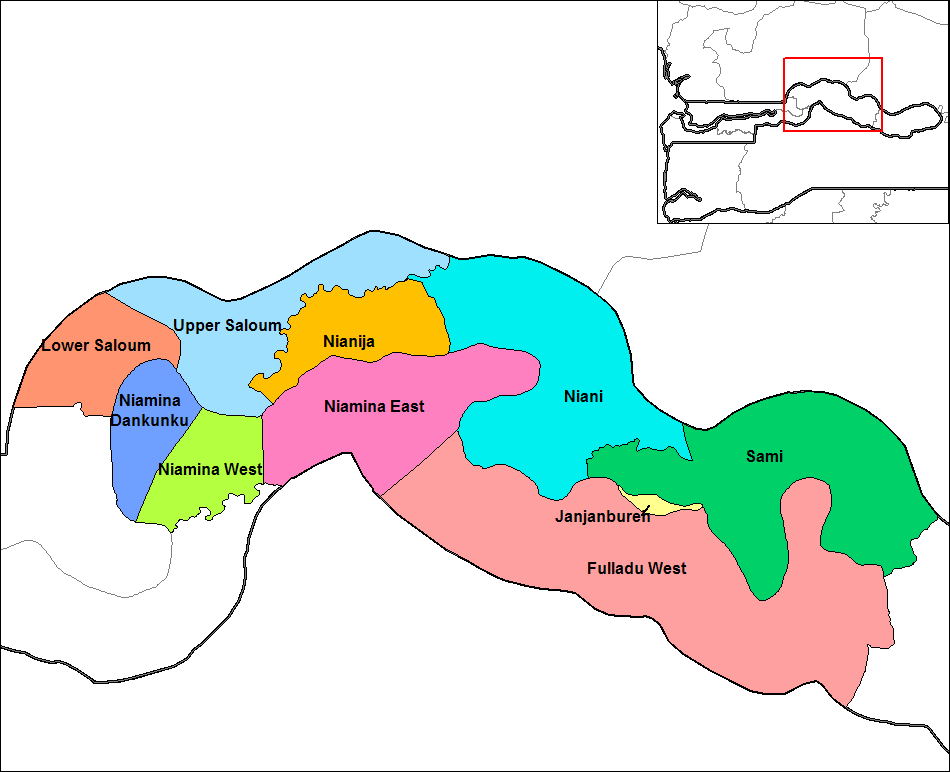
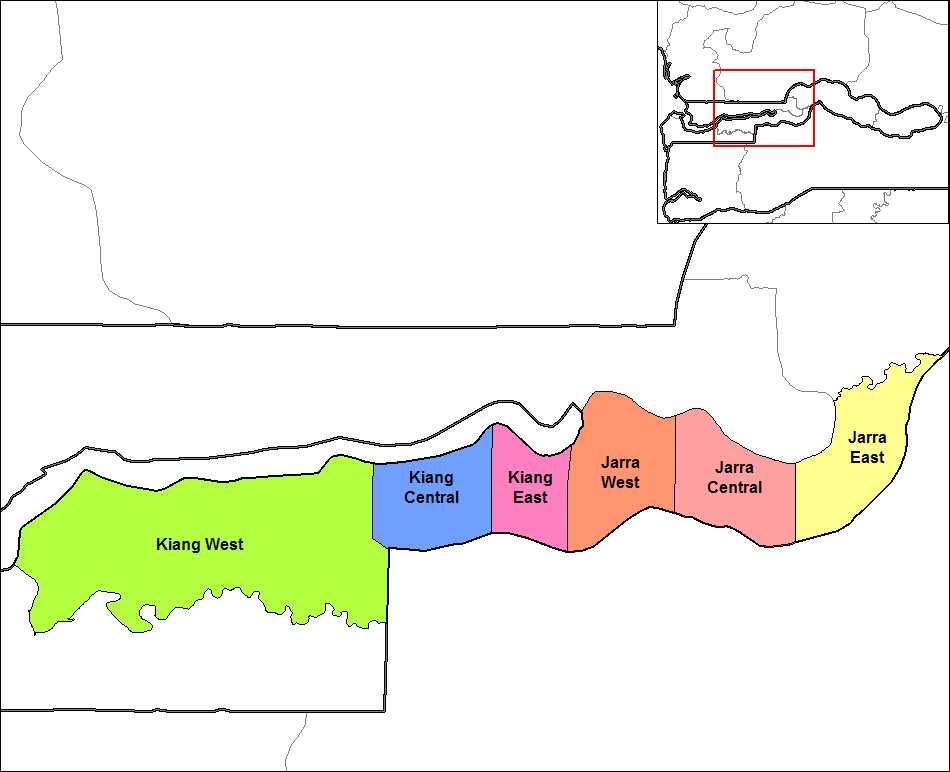
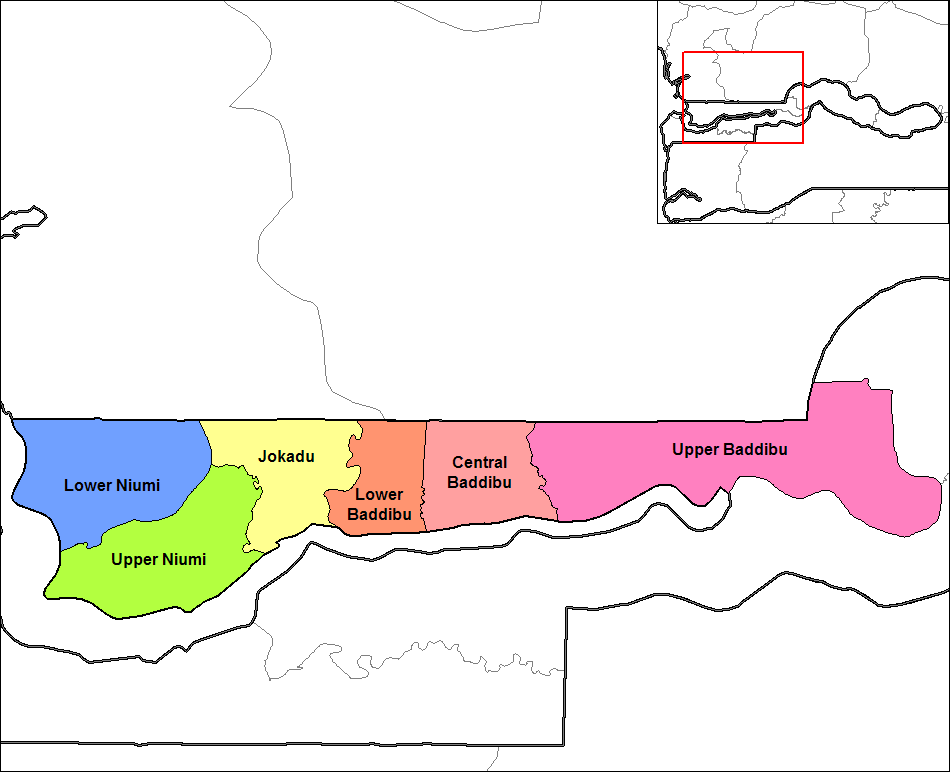


Structure and subdivisions
Each local government area covers a contiguous territory and is further broken down into districts. Districts serve as useful units for census-taking, planning and—for many purposes—electoral organisation. The LGAs vary in size and population: coastal and peri-urban LGAs tend to be more densely populated than inland ones along the River Gambia.
Roles and responsibilities
Local councils operating at the LGA level are generally responsible for community-level functions. Typical responsibilities include planning and local infrastructure maintenance, management of markets and public spaces, waste collection, and facilitation of grassroots development initiatives. Councils often work with central government ministries to coordinate primary services such as basic health and education provision.
History and development
The present system grew out of colonial-era administrative divisions and has been reshaped by post‑independence reforms aimed at decentralisation and bringing decision-making closer to communities. Reforms over time have adjusted boundaries and the powers of councils to reflect population changes and development priorities.
Uses and significance
LGAs and their districts are central to local governance, planning and national statistics. They are used for population censuses, development programming, and as reference areas for electoral administration. For residents, councils are the most accessible level of government for addressing everyday concerns.
Notable facts and distinctions
Though small in geographic area, The Gambia’s LGAs show marked contrasts in settlement patterns: coastal and municipal LGAs contain the largest urban populations, while districts along the river and inland are more rural. The number and boundaries of districts can change with administrative reforms, so official maps and government sources should be consulted for the most current delineations.
Questions and answers
Q: How many local government areas does the Gambia have?
A: The Gambia has eight local government areas.
Q: How many districts are there in the Gambia?
A: There are 43 districts in the Gambia.
Q: Is the Gambia divided into any administrative zones?
A: Yes, the Gambia is divided into eight local government areas.
Q: What is the purpose of the local government areas in the Gambia?
A: The local government areas in the Gambia are used for administrative purposes, such as providing services to the residents of the area.
Q: Who is responsible for overseeing the local government areas in the Gambia?
A: The local government areas in the Gambia are overseen by elected officials, who are responsible for making decisions on behalf of the residents of the area.
Q: How do the local government areas in the Gambia operate?
A: The local government areas in the Gambia operate under the guidance of the national government, but they have some autonomy in decision-making and administration.
Q: What is the relationship between the local government areas and the districts in the Gambia?
A: The local government areas in the Gambia are further divided into districts, which serve as smaller administrative units within the larger local government areas.
Related articles
Author
AlegsaOnline.com Local government areas of the Gambia Leandro Alegsa
URL: https://en.alegsaonline.com/art/58740