
Little Nemo (Winsor McCay’s dream-strip hero)
Little Nemo is the central child protagonist of Winsor McCay’s early 20th‑century dream comic strips, celebrated for imaginative fantasy, innovative page design and exquisite color art.
Overview
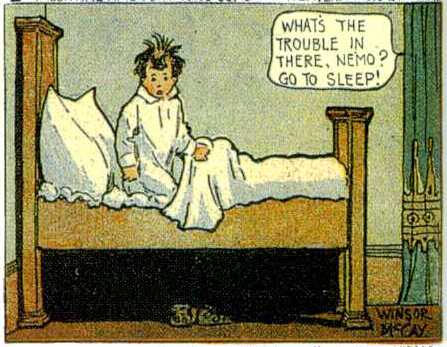
Little Nemo is the boy at the center of a landmark series of newspaper comic pages created by American cartoonist Winsor McCay. Debuting in 1905, the strips follow Nemo’s nightly journeys into a fantastic realm commonly called Slumberland. Each installment typically builds to an elaborate dream adventure and then ends with Nemo awakening — often abruptly, disoriented, or in trouble — a device that underlines the ephemeral logic of dreams and returns the reader to the everyday world. The character’s name, Nemo, echoes the Latin for “nobody,” which suits the strip’s mix of childlike vulnerability and everyman wonder.
Image gallery
10 Images



Style, structure and notable characteristics
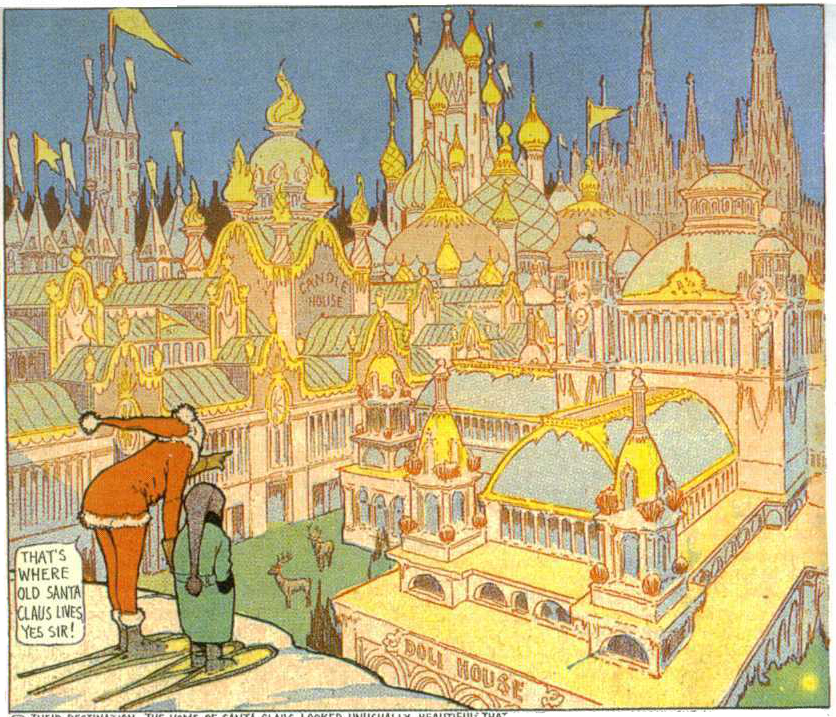
McCay’s Little Nemo is remembered as much for its visual ambition as for its stories. Pages often employed inventive layouts, dramatic perspectives, and bold color, giving each strip the feel of a small poster or a stage set. Panels vary in size and arrangement to control pacing; McCay used sweeping vistas, careful staging of figures, and meticulous background detail to create the sensation of motion and spectacle. Recurrent characters — such as the mischievous Flip, the benevolent royal family of Slumberland including the Princess, and a cast of comic and supernatural types — supply both running gags and a gallery of dream archetypes.
History and publication
Winsor McCay first published Little Nemo in American newspapers in the early 1900s. The strip ran in various forms through the 1910s and returned for a revival in the 1920s. During that era, it was printed on the full Sunday comics page in color, a format that allowed McCay to treat each week's page as an independent artwork. While the strip enjoyed devoted readers and critical admiration, its surrealism and visual sophistication contrasted with the broader popular taste for simpler gag-driven strips at the time.
Legacy, influence and adaptations
Little Nemo’s influence extends beyond newspaper comics. McCay’s techniques in staging, sequential motion and color informed later comic artists, illustrators and early animators. The strip has been cited as an inspiration for cinematic framing and for subsequent generations of cartoonists who experiment with page design. Little Nemo has inspired adaptations and homages across media, including early animated experiments and a later feature‑length adaptation; the character and the imagery continue to appear in exhibitions, reprints and scholarly discussions about the development of comics as an art form.
Distinctions and notable facts
- Each strip typically ends with a waking gag that contrasts the excesses of the dream with the mundane morning.
- McCay’s careful color work and complex compositions set the series apart from many contemporaneous strips.
- Principal supporting figures, like Flip, often functioned as agents who reversed Nemo’s fortunes or provoked sudden awakenings.
- The work has been preserved, exhibited and reprinted, and is frequently discussed in histories of comics and illustration.
Further reading and resources
Useful starting points for viewing reproductions, catalog entries and commentary are listed below. These entries use general placeholders for reference links and archives.
- Overview and character summary
- Original strip archive collection
- Early publication history
- Analysis of McCay’s artwork
- Reprints and collected editions
- Chronology and publication dates
- Biographical notes on Winsor McCay
- Critical essays on dream imagery
- Exhibition catalog entries
- Etymology of the name "Nemo"
- Studies of recurring characters and motifs
- Contextual history of early comics
- Archival discoveries and restorations
- Museum and gallery presentations
- Further bibliographic resources
If you are researching the strip, consult illustrated collections and scholarly introductions to McCay’s work for high‑quality reproductions and commentary on the artistic techniques that make Little Nemo historically significant.
Questions and answers
Q: Who is Little Nemo?
A: Little Nemo is the main fictional character in a series of weekly comic strips by Winsor McCay.
Q: When did the comic strips appear?
A: The comic strips appeared in the New York Herald and New York American newspapers from October 15, 1905 – July 23, 1911 and September 3, 1911 – July 26, 1914.
Q: What was the strip about?
A: The strip was about the dreams of a little boy named Nemo. His name means "nobody" in Latin. In the first strips he tried to go to Slumberland which was the land of King Morpheus.
Q: How did each strip end?
A: The last picture in each strip always showed Nemo waking up, either in or near his bed with either grownups being angry with him for waking them up or comforting him because he was sad.
Q: Why wasn't it very successful from 1905-1927?
A: It wasn't very successful during this time period because most comics readers preferred slapstick actions found in other comic strips such as Katzenjammer Kids, Happy Hooligan, and Buster Brown more than the surreal fantasy found in Little Nemo's story.
Q: What made Little Nemo special?
A: Little Nemo was special because its pictures were very detailed and beautiful with bright colors; also its story had many strange characters and places that kept it interesting and fast-paced.
Related articles
Author
AlegsaOnline.com Little Nemo (Winsor McCay’s dream-strip hero) Leandro Alegsa
URL: https://en.alegsaonline.com/art/58508