
Linux distribution
An operating system built around the Linux kernel plus collections of software, libraries and tools. Distributions vary by target (desktop, server, embedded), package systems, and release models.
Linux distributions, commonly called distros, package the Linux kernel with userland software to form a complete operating system. At their core is the Linux kernel (kernel), paired in many cases with the GNU project's utilities and libraries (GNU). Graphical support often comes from systems such as the X Window System (X11) or Wayland, while desktop environments such as KDE or GNOME provide a user-friendly interface. Some minimal or embedded distributions use lightweight toolchains like BusyBox or alternate C libraries.
Image gallery
7 Images

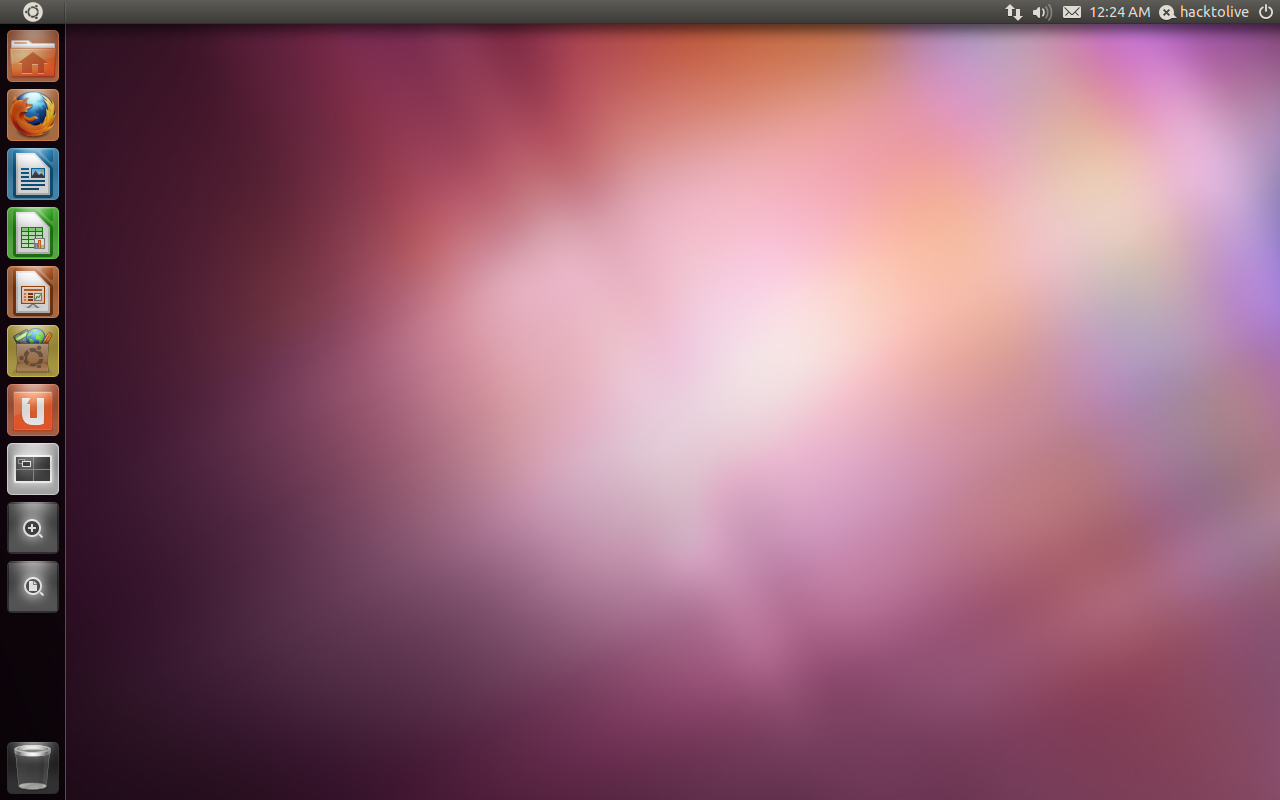


Key components and characteristics
Although distributions differ, most include several common parts and choices that define their behavior and audience:
- Kernel: the Linux kernel itself (kernel variants and versions).
- Package management: systems that install, update and remove software (for example DEB or RPM families).
- Init and service management: traditional init, systemd or alternatives affect boot and service control.
- Default software selection: server-focused distros ship server daemons, desktop ones include graphical environments and apps.
- Release model: fixed releases vs rolling updates influence stability and freshness.
History and development
Linux distributions emerged in the early 1990s as collections of the kernel plus tools and installers that made Linux usable on a wide range of hardware. Early well-known projects such as Slackware, Debian and Red Hat established differing philosophies—minimalist, community-curated or commercially supported—leading to many derivatives. Over time distributions specialized for workstations, servers, embedded systems and containers, and the ecosystem expanded to include hundreds of actively maintained and historical projects (counts). Many distributions remain under continuous improvement and frequent releases (ongoing development).
Uses and examples
Linux distributions power a broad set of computing roles: web and database servers, developer workstations, scientific computing, network appliances, smartphones and embedded devices. Popular desktop-focused examples include Ubuntu and Fedora, while enterprise or server choices often include Red Hat Enterprise Linux, CentOS variants, and Debian. Lightweight or specialized distributions serve routers, IoT gadgets and recovery tools.
Choosing and distinguishing distributions
Selecting a distribution depends on goals: stability and long-term support for production servers, a rolling-release model for up-to-date packages, or minimal images for containers and embedded use. Distinctions also arise from packaging formats, governance (community vs commercial), default system software (init, filesystem layout) and available repositories. New users often try live images or virtual machines to evaluate fit before installing.
Because of their modular design and free licensing, Linux distributions encourage experimentation and tailoring: users can adopt an off-the-shelf distro, customize an existing one, or create a new distribution for a specific purpose. For further context and resources see distros overview, kernel information at kernel pages and historical documentation via GNU and graphical system references like X11 and KDE. Development status summaries and project counts are available from community-maintained trackers (project listings, development reports).
Questions and answers
Q: What are Linux distributions?
A: Linux distributions are collections of applications built on the Linux kernel.
Q: What is included in a typical Linux distribution?
A: A typical Linux distribution includes the Linux kernel, libraries, and utilities from the GNU project, and graphics from the X Window System.
Q: Do all Linux distributions have big window systems like KDE or GNOME?
A: No, some small Linux distributions use small window systems like busybox, uclibc, or dietlibc.
Q: How many Linux distributions are there?
A: There are over three hundred Linux distributions.
Q: Are all Linux distributions complete and final versions?
A: No, most Linux distributions are still in development and are constantly being improved and changed.
Q: What is the GNU project?
A: The GNU project is a free and open source software project that provides a collection of utilities and libraries for Unix-like operating systems.
Q: What is the X Window System?
A: The X Window System is a free and open source software windowing system for displaying graphical user interfaces on Unix-like operating systems.
Related articles
Author
AlegsaOnline.com Linux distribution Leandro Alegsa
URL: https://en.alegsaonline.com/art/58322
Sources
- slackware.com : The Slackware Linux Project: Slackware Release Announcement
- zegeniestudios.net : zegenie Studios Linux Distribution Chooser
- tuxs.org : (:^tuxs.org) Linux Distribution Chooser
- desktoplinuxathome.com : Desktop Linux At Home - Distro Selector