
L'incoronazione di Poppea — Monteverdi's final opera
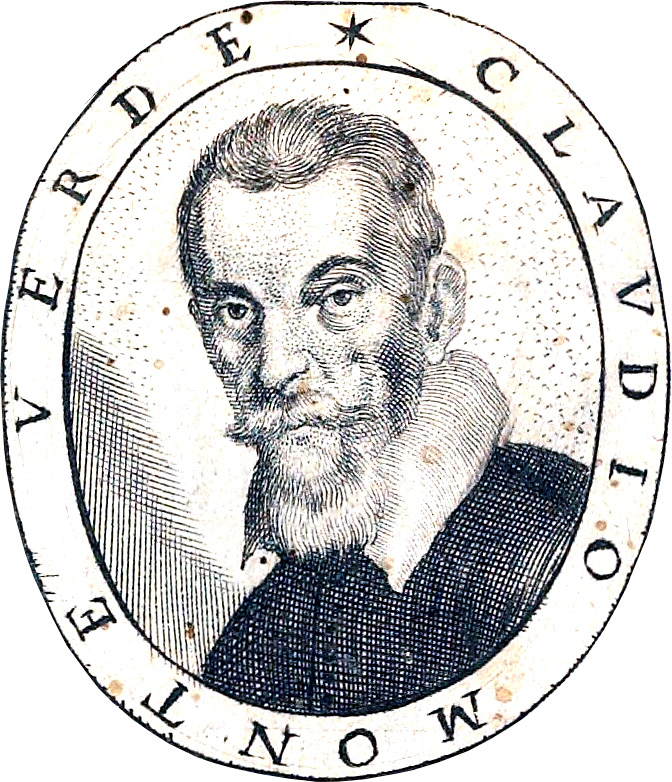
L'incoronazione di Poppea (1643) by Claudio Monteverdi, libretto by Giovanni Francesco Busenello. A landmark early-Baroque opera about Nero and Poppea, noted for its intimate forces, dramatic realism and flexible vocal writing.
Overview
L'incoronazione di Poppea is an Italian opera in three acts composed by Claudio Monteverdi with a libretto by Giovanni Francesco Busenello. First staged at the Teatro Santi Giovanni e Paolo, Venice in 1643, it was the last opera Monteverdi completed. Unlike many stage works of its moment, which often drew on mythological themes or Christian subjects, the drama concentrates on recent history and human politics as it tells a condensed and dramatized account of events from ancient Rome.
Image gallery
10 Images



Subject and dramatic approach
The plot follows the ambitions, intrigues and passions surrounding the emperor Nero and his relationship with Poppea. Though gods—most notably Cupid—appear and comment on events, the opera's focus stays on human decisions and moral ambiguity rather than allegory or myth. Ironically, the work is titled "The Coronation of Poppea," yet the stage action does not include an explicit coronation ceremony; the title signals a culmination of power and influence rather than a literal ritual.
Music, forces and style
Monteverdi wrote for a small but varied ensemble. Surviving parts and modern reconstructions call for strings and a continuo group augmented by winds and plucked instruments such as recorders, cornetts (early wind instruments often compared to the trumpet), occasional brass like the trumpet, harp (arpa), lutes and viols or gambas. The scoring produces a chamberlike sound appropriate to intimate drama rather than the grand spectacles that later opera houses favored.
The work exemplifies early-Baroque practice in which the boundary between recitative (speech-like declamation advancing the plot) and aria (more sustained, lyrical pieces) is deliberately porous. Monteverdi varies textures and vocal writing to match character and mood, creating expressive solos, duets and ensembles that flow naturally from one musical gesture to the next.
Performance practice and casting
In Monteverdi's time, gender and voice-type conventions differed from modern expectations. Men frequently sang female roles and women sometimes sang male parts; the leading male role of Nero would originally have been sung by a castrato. In contemporary performances the role is commonly assigned to a countertenor or a mezzo-soprano, choices that affect balance, timbre and dramatic coloring. The opera also contains scenes of disguise and role reversal that play with identity and theatrical illusion—elements that 17th-century audiences accepted without modern concerns about authenticity.
History, authorship questions and legacy
Busenello's libretto is compact and dramatic; scholars believe he drew on classical historians and chronicles for material, adapting events and personalities to serve theatrical needs. Monteverdi, having already shaped the transition from late Renaissance to the new Baroque idiom, brought seasoned dramatic instincts to the score. Musicologists note that some passages, notably the final duet for Nero and Poppea, have been the subject of debate: a few scholars propose that parts may derive from another hand or reflect later additions, though the work as a whole is generally regarded as Monteverdi's mature achievement.
Over the centuries the opera's reputation has evolved. Rediscovered and revived in the 20th century, it is now admired for its psychological depth, elegant vocal writing and inventive use of a small ensemble to render complex interpersonal drama. Different editions and performing traditions reflect varying decisions about instrumentation, ornamentation and the realization of continuo parts.
Further reading and resources
- Opera entry and synopsis
- Composer biography: Claudio Monteverdi
- Libretto and original text
- Teatro Santi Giovanni e Paolo (Venice) — historical context
- 1643 premiere and early reception
- Early 17th-century opera conventions
- Religious and mythological themes in contemporary opera
- Ancient Roman sources used in drama
- Historical figure: Nero
- Role of gods and allegory (e.g., Cupid)
- Meaning of the work's title and staging choices
- Period wind instruments: recorders
- Cornetts and early brass textures
- Historical trumpets and ceremonial use
- Harp and continuo practice
- Lute family instruments and plucked accompaniment
- Recitative: function and varieties
- Aria and lyrical writing in early opera
- Castrato singers and historical casting
- Countertenor tradition in modern performance
- Mezzo-soprano casting and role interpretations
Questions and answers
Q: What is the title of the opera?
A: The opera is titled "L'incoronazione di Poppea" (The Coronation of Poppea).
Q: Who wrote the libretto for this opera?
A: The libretto was written by Giovanni Francesco Busenello.
Q: When was the first performance of this opera?
A: The first performance took place in 1643 at the Teatro Santi Giovanni e Paolo in Venice.
Q: What type of story does this opera tell?
A: This story is based on a historical event from ancient Rome, specifically about Emperor Nero and his marriage to Poppea.
Q: What instruments are used in this opera's orchestra?
A: The orchestra consists of strings, recorders, cornetts, percussion, harp, lutes and gambas.
Q: How did 17th century operas handle gender roles when it came to casting singers?
A: In 17th century operas men often sang women’s parts and women sang men’s parts. A part such as Nero would have been sung by a castrato. Nowadays it can either be sung by a countertenor (a man) or a mezzo-soprano (a woman). There are scenes where actors disguise themselves as the opposite sex which was not seen as unusual in that time period.
Q: Is there any evidence that another composer may have written some music for this opera?
A: Yes, there is evidence that suggests that another composer may have written the duet between Nero and Poppea at the end of the opera.
Related articles
Author
AlegsaOnline.com L'incoronazione di Poppea — Monteverdi's final opera Leandro Alegsa
URL: https://en.alegsaonline.com/art/58193