
Lincoln, Nebraska — State Capital and University City
Lincoln, the capital of Nebraska, is a midwestern city known for its government center, the University of Nebraska, prairie setting, historic capitol tower, and a mix of cultural and outdoor amenities.
Overview
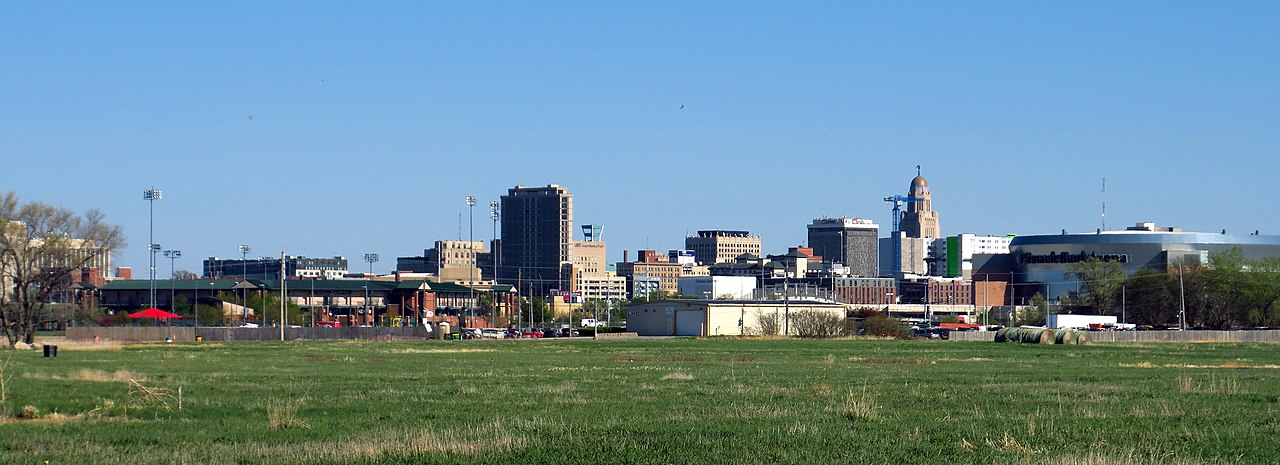
Lincoln is the capital city of Nebraska and one of the largest urban centers in the United States. It serves as the county seat of Lancaster County and is home to the flagship campus of the University of Nebraska. Historically a hub for government and education, Lincoln combines a compact downtown, residential neighborhoods, and substantial parkland. The city's recorded population was 258,379 at the 2010 census and grew to roughly 290,000 by 2020, making it second in size only to Omaha within the state of Nebraska.
Image gallery
10 Images



Geography and climate
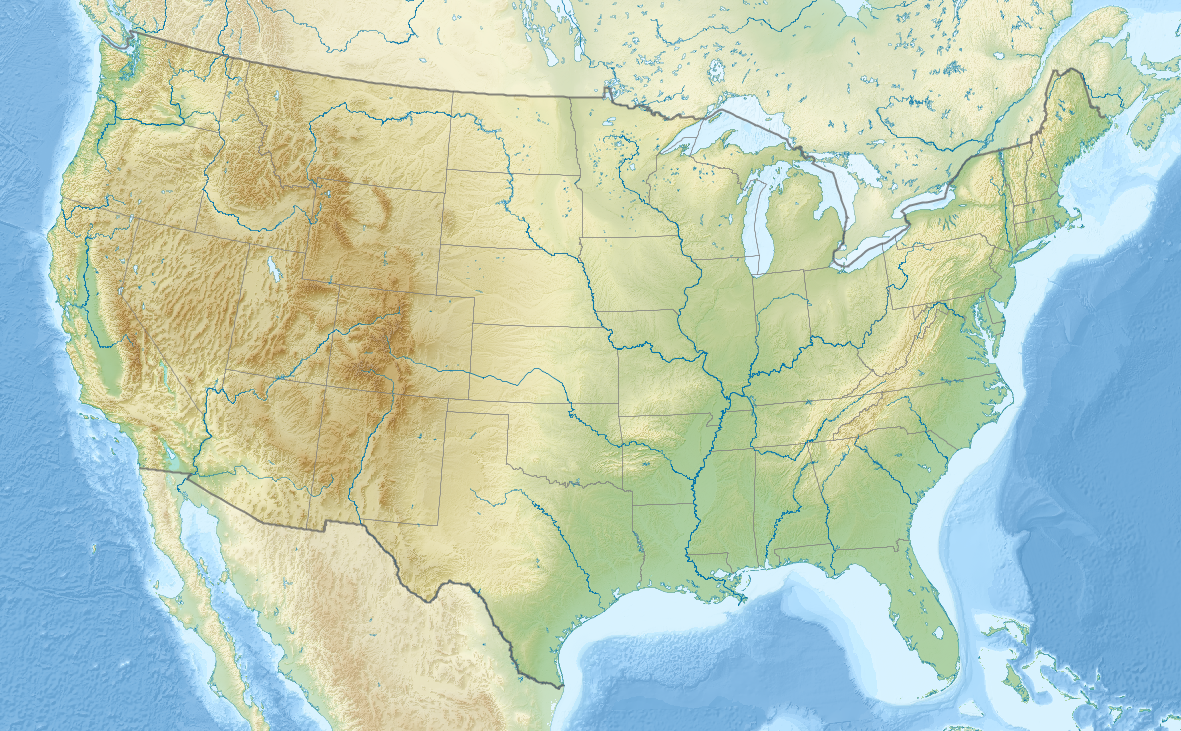
Located in the southeastern part of the state, Lincoln sits in a landscape of rolling plains and mixed grassland that historically supported agriculture and livestock. The city lies south of the Platte River and is influenced by continental weather patterns: warm summers, cold winters, and variable precipitation. The official classification is a humid continental climate, often referenced within the Köppen climate classification. Seasonal extremes and occasional severe storms are part of the local climate regime.
History and development
Settlement at the site that became Lincoln began in the 1850s when a small village named Lancaster was established in 1856. Lancaster was designated the seat of Lancaster County in 1859. Political and geographic shifts in the territory led lawmakers to move the capital away from Omaha, the earlier territorial capital, toward a location south of the Platte River and farther west. At a decisive moment the village was renamed in honor of President Abraham Lincoln and was chosen as the state capital upon Nebraska's admission to the Union in 1867.
The selection of the site was influenced by regional rivalries and by practical considerations, including local salt flats and wetlands that had economic and logistical importance in the 19th century. Efforts to block the move—rooted in sectional tensions following the Civil War and sympathy for the Confederacy among some settlers—did not prevail; the new name and the capital designation persisted as the city grew.
Government, architecture, and landmarks
The Nebraska State Capitol is one of Lincoln's most prominent landmarks. Designed by architect Bertram Grosvenor Goodhue and constructed in the 1920s and early 1930s, the building rises as a stepped tower crowned with a gilded dome and a sculptural figure symbolizing the state's agricultural roots. Its interior contains murals and reliefs that reflect Native American presence, pioneer settlement, and the region's natural resources. Zoning has preserved the capitol's dominance on the skyline, ensuring it remains a visible focal point from many directions.
Economy, education, and culture
Lincoln's economy blends public administration, higher education, technology, health care, and agribusiness services. The University of Nebraska–Lincoln anchors research, sports, and cultural activity; the campus influences demographic trends, arts programs, and local businesses. The city supports museums, performing arts venues, and festivals that celebrate regional history and contemporary culture.
Recreation and points of interest
- Outdoor spaces and trails along rivers and creeks, including parks and community greenways.
- Historic districts and neighborhoods with Victorian and early 20th-century architecture.
- Civic institutions such as libraries, galleries, and university museums.
- Annual events that highlight music, food, and local arts.
Transportation and regional role
Lincoln functions as a transportation and service center for southeastern Nebraska, linked by highways and regional transit to neighboring communities and to the greater Omaha metropolitan area. Its role as state capital brings a steady presence of government services and legal institutions, while the university adds a youthful and research-oriented dimension to civic life.
Further reading and context
For more on Lincoln’s civic institutions and history see local archives and educational resources. The city's origin as a relocated capital from the Nebraska Territory, its relationship to the earlier territorial capital of Omaha, and the influence of nearby states such as Kansas are useful contexts when studying its 19th-century growth. Additional material on natural features like the salt flats and marshes and their historical uses can clarify early economic drivers. For climate specifics consult sources that discuss the humid continental pattern and the scientific framework of the Köppen classification.
Readers seeking contemporary civic information may consult municipal and university websites for current statistics, services, and event calendars; local guides also outline museums, parks, and neighborhood resources across the city.
Questions and answers
Q: What is the population of Lincoln?
A: The 2010 Census population for Lincoln was 258,379.
Q: When was Lincoln founded?
A: Lincoln was founded in 1856 as the village of Lancaster.
Q: Why did the capital move from Omaha to Lancaster?
A: After much of the territory south of the Platte became a part of Kansas, the legislature voted to move the capital south of the river and as far west as possible. They made the village of Lancaster the new capital, in part due to its salt flats and marshes.
Q: How did people react when it was renamed after Abraham Lincoln?
A: People either liked or disliked the new name depending on how they felt about the Civil War.
Q: What is unique about Nebraska State Capitol building?
A: The Nebraska State Capitol building is unique because it is topped by a golden dome and crowned by a 6-meter (20 ft) statue of a farmer sowing grain on a pedestal of wheat and corn, representing Nebraska's agricultural heritage. City zoning rules prevent any other building from rivaling it in height, making it a landmark not only within but also for surrounding areas. Inside are many paintings and iridescent murals showing Native American heritage and early pioneers who settled Nebraska. It is also second tallest U.S. State Capitol building behind Louisiana's State Capitol Building in Baton Rouge.
Q: What type of climate does Lincoln have?
A: Lincoln has a humid continental climate (Dfa in Köppen climate classification).
Related articles
Author
AlegsaOnline.com Lincoln, Nebraska — State Capital and University City Leandro Alegsa
URL: https://en.alegsaonline.com/art/58174
Sources
- quickfacts.census.gov : "Lincoln (city) Quick Facts from the U.S. Census Bureau"
- lincoln.org : "Lincoln Convention and Visitors Bureau | Why Visit Lincoln? | History"
- emporis.com : "Nebraska State Capitol, Lincoln, U.S.A."
- commons.wikimedia.org : Lincoln, Nebraska